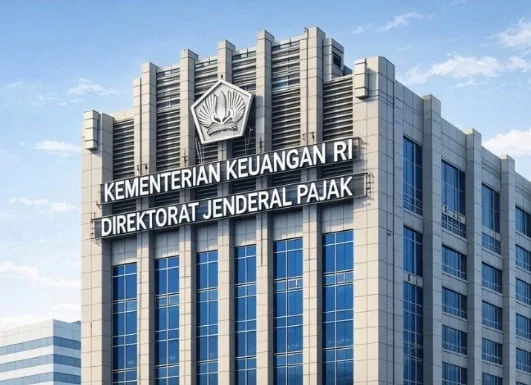
Jakarta – The Ministry of Finance is currently conducting a comprehensive internal evaluation regarding the continuation of bureaucratic restructuring within the Directorate General of Taxes (DJP) and the Directorate General of Customs and Excise (DJBC). This review follows recent leadership shifts at the top tier of the ministry, marking a critical juncture for Indonesia’s revenue-collection agencies as they navigate administrative adjustments and structural continuity.
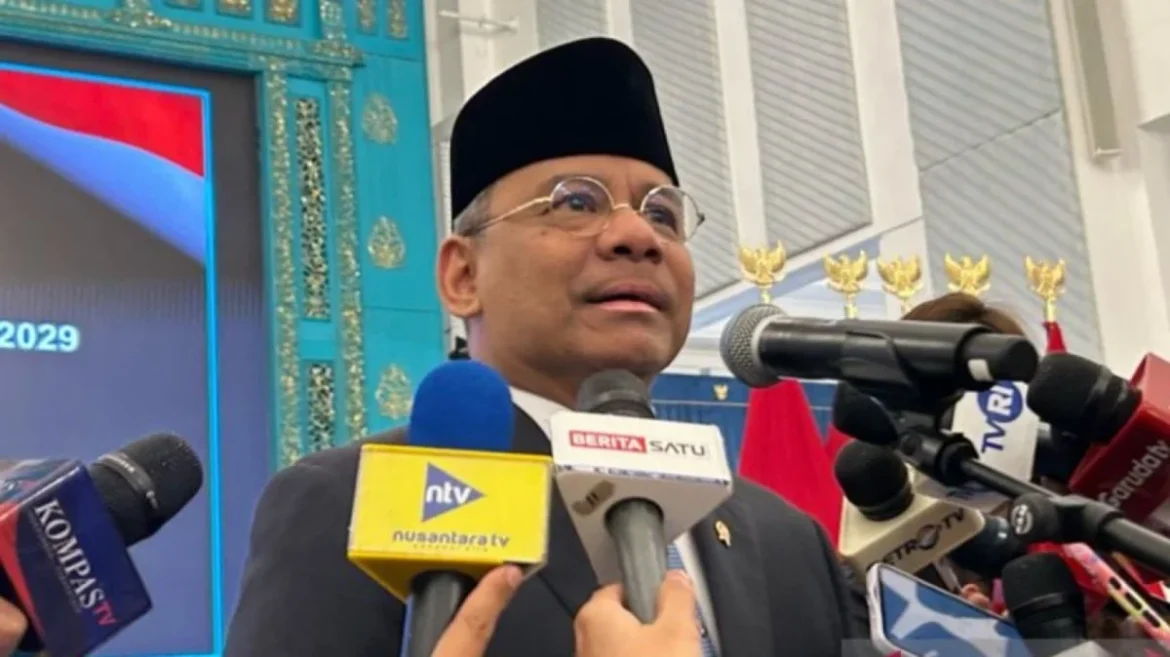
Speaking at the Presidential Palace complex in Jakarta, Minister of Finance Suahasil Nazara addressed reporters regarding the ongoing assessments. He emphasized that the ministry is meticulously reviewing past procedures, ongoing processes, and recent activities associated with the appointment and inauguration of high-ranking officials across various divisions.
The evaluation encompasses a holistic look at how structural placements have been handled, particularly in light of recent transitions that have drawn public and internal attention. While definitive decisions regarding potential reversals or further modifications to the reshuffle remain under wraps, the ministry’s leadership is prioritizing institutional stability, cross-departmental alignment, and optimal administrative performance.
Background and Context of Leadership Dynamics
The discussion surrounding structural revisions within the Directorate General of Taxes and the Directorate General of Customs and Excise is intricately tied to broader changes within the executive branch and the Ministry of Finance itself. In recent transitions, high-profile shifts have highlighted the fluid nature of bureaucratic appointments under the current administration. Notably, discussions surrounding the stewardship of the ministry have underscored that personnel changes are viewed by the government as routine mechanisms designed to align administrative objectives with national economic strategies.
These tax and customs agencies represent the twin pillars of Indonesia’s state revenue generation. Consequently, any administrative realignment or leadership reshuffle within these institutions carries substantial weight for national fiscal policy, tax compliance initiatives, and customs enforcement. The integration of leadership across these directorates requires a delicate balance between maintaining operational momentum and implementing strategic reforms aimed at enhancing state revenue collection.

Mechanisms of Official Appointments and Cross-Unit Synergy
Elaborating on the administrative framework governing the ministry, Suahasil explained that the appointment of officials within the Ministry of Finance follows a structured, multi-tiered hierarchy. Crucially, these appointments are not made in isolation by a single directorate; rather, they are coordinated collectively across all echelon I units.
This collaborative mechanism is deemed essential because several strategic positions require cross-unit coordination to foster robust synergy within the ministry. Modern fiscal governance demands seamless communication and operational alignment between tax collection, customs regulation, budgetary planning, and treasury management. By ensuring that appointments are vetted and agreed upon across multiple echelon I divisions, the ministry aims to prevent bureaucratic silos and enhance overall institutional efficiency.
The minister noted that the current administrative review involves awaiting detailed feedback and assessments from stakeholders across all echelon I units. This consultative approach ensures that structural adjustments are reflective of operational needs on the ground rather than top-down directives disconnected from practical execution.
Evaluating Previous Implementation Methods
A significant portion of the ongoing evaluation focuses on the operational modalities used during recent official inaugurations. Due to logistical considerations and the evolving nature of public administration, recent swearing-in ceremonies have utilized a combination of physical attendance and hybrid digital formats.
Suahasil pointed out that the ministry is carefully auditing these past procedures to understand how hybrid arrangements impacted the overall transition process. By examining the combination of in-person and virtual participation during earlier appointments, leadership hopes to identify any procedural bottlenecks or gaps in communication that might affect administrative cohesion.

When pressed on whether the ongoing review could lead to a formal cancellation or rollback of the previously announced bureaucratic reshuffle, the Minister of Finance adopted a cautious stance. He reiterated that the administration is taking a measured approach, choosing to thoroughly analyze the sequence of events that have already transpired before determining the next course of action.
Institutional Implications and Economic Stability
The ongoing deliberation within the Ministry of Finance carries critical implications for the broader business community, investors, and taxpayers. The Directorate General of Taxes and the Directorate General of Customs and Excise are vital interfaces between the state and the economy. Taxpayers and importers rely heavily on administrative predictability, clear regulatory guidance, and stable leadership to navigate compliance obligations.
Analysts suggest that while bureaucratic refreshments are common tools for revitalizing institutional performance and closing revenue loopholes, prolonged uncertainty regarding structural leadership can introduce friction into daily operations. Therefore, the Ministry of Finance’s current emphasis on ensuring rigorous coordination and structural integrity is seen as a necessary step to mitigate potential operational disruptions.
By taking the time to harmonize cross-unit structures, the ministry seeks to safeguard its core mandate: optimizing state revenue while maintaining a transparent, accountable, and service-oriented bureaucracy. As the evaluation process continues, stakeholders across the public and private sectors await definitive announcements regarding the finalized organizational framework of Indonesia’s premier financial oversight bodies.