The diplomatic landscape between the world’s two largest economies is set for a pivotal shift as Chinese President Xi Jinping prepares for a state visit to the United States from September 23 to 25, 2026. This visit, hosted by President Donald Trump, marks a significant milestone in bilateral relations, coming just months after President Trump’s own high-profile visit to Beijing in May 2026. As both nations navigate a complex web of trade competition, technological rivalry, and global security concerns, the upcoming summit is viewed as a critical opportunity to define the trajectory of China-US relations for the remainder of the decade.
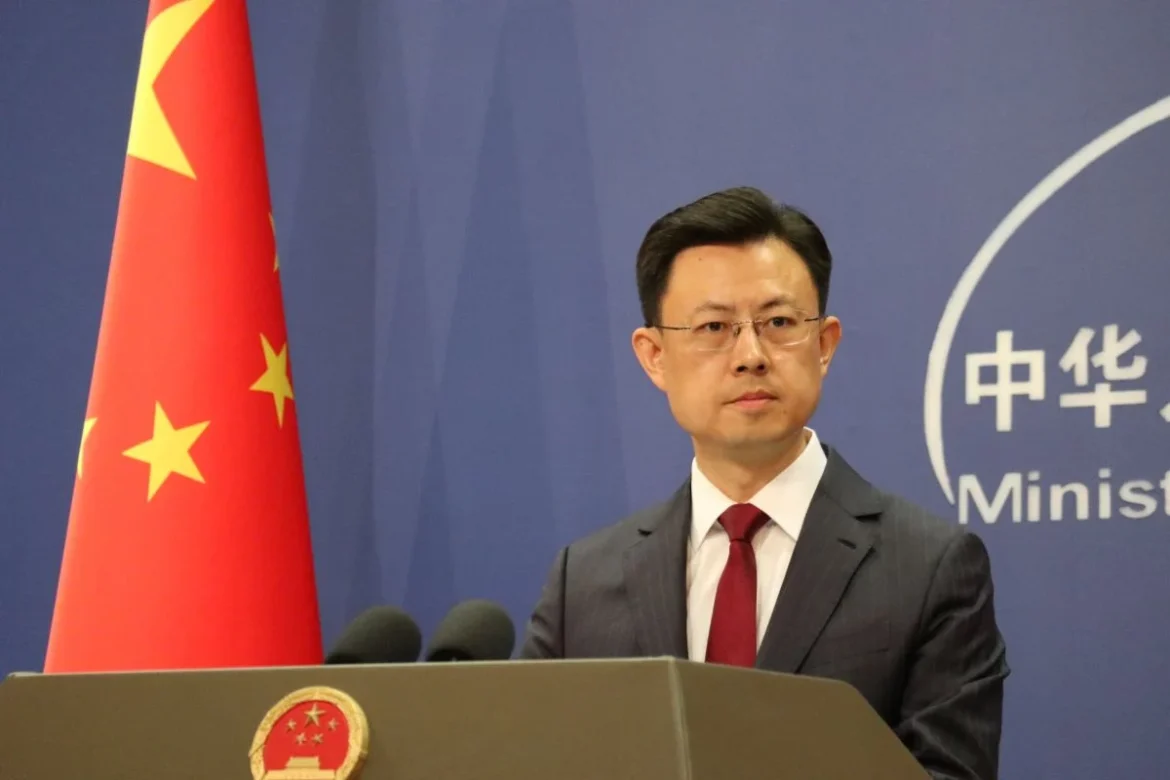
The announcement was confirmed on Monday, September 21, by Guo Jiakun, spokesperson for the Chinese Ministry of Foreign Affairs. During a press briefing in Beijing, Guo emphasized that the core objective of the visit is to enrich the dimensions of a constructive relationship grounded in strategic stability. "China will work with the United States to enrich the dimensions of a constructive China-US relationship based on strategic stability," Guo stated, highlighting the "irreplaceable role" of head-of-state diplomacy in providing strategic direction to the relationship.
A Chronology of Recent Diplomatic Engagement
The momentum for this summit has been building throughout the year. The relationship, which has often been characterized by friction, saw a notable thaw during President Trump’s visit to Beijing on May 13–15, 2026. That visit was marked by a robust delegation of American corporate titans, including Tesla and SpaceX CEO Elon Musk, Visa CEO Ryan McInerney, and NVIDIA CEO Jensen Huang. The presence of these leaders underscored a mutual interest in maintaining stable economic and trade channels, despite broader geopolitical disagreements.
Following the May summit, diplomatic efforts intensified. Most recently, on September 20, 2026, in New York, US Treasury Secretary Scott Bessent held extensive consultations with Chinese Vice Premier He Lifeng. Accompanied by US Trade Representative (USTR) Jamieson Greer, the meetings were designed to lay the groundwork for the discussions between the two presidents, focusing specifically on economic interests and the burgeoning field of artificial intelligence (AI).
The Strategic Importance of Artificial Intelligence
Perhaps the most significant development in the lead-up to the Xi-Trump summit is the agreement to form a bilateral mechanism to address the risks and opportunities associated with artificial intelligence. This marks a departure from earlier periods of near-total silence on technical cooperation, reflecting a growing consensus that AI safety is a global imperative that transcends national borders.
Treasury Secretary Bessent has been vocal about the necessity of this dialogue. Writing on the platform X following his meeting with He Lifeng, Bessent emphasized that the discussions were aimed at creating a foundation for President Trump to advance US economic interests while managing risks related to uncontrolled AI agents, cyber threats from non-state actors, and the alarming potential for AI to facilitate the development of biological weapons.
The internal American perspective on this issue is multifaceted. While President Trump has been a vocal proponent of domestic AI development, warning that the US must not allow China to seize the lead in this sector, his administration is simultaneously seeking to establish "guardrails." Beijing, for its part, has expressed a focus on the controlled development and regulation of the technology itself. Analysts suggest that while both nations are engaged in an "AI arms race," the sheer scale of the potential risks—from economic disruption to existential security threats—has forced a pragmatic, albeit cautious, alignment.
Trade, Tariffs, and the Rare Earth Dilemma
Central to the economic discussions is the issue of trade barriers and industrial supply chains. Reports indicate that the US may consider delaying the implementation of new tariffs on Chinese goods, contingent upon the outcomes of the Xi-Trump summit. This potential concession is seen as a gesture of goodwill intended to foster a more productive atmosphere during the state visit.
However, significant hurdles remain, particularly regarding the trade of critical minerals. Despite agreements reached during the May summit to ensure the stability of global supply chains, questions persist regarding China’s export policies on rare earth elements. During the September 21 press conference, spokesperson Guo Jiakun declined to provide a definitive timeline for the normalization of rare earth distribution, choosing instead to reiterate China’s broader commitment to "maintaining the security and stability of the global industrial and supply chains for strategic minerals."
Guo’s remarks, however, carried a sharp caveat regarding Japan. He emphasized that China’s export restrictions on "dual-use" goods—items that have both civilian and military applications—remain strictly enforced to prevent the remilitarization of Japan and to discourage Tokyo from pursuing nuclear capabilities. This highlights the reality that China-US relations do not exist in a vacuum; they are heavily influenced by the broader security architecture of the Indo-Pacific region.
Analyzing the Strategic Implications
The upcoming summit carries profound implications for global stability. Since the beginning of 2026, the rhetoric from both Washington and Beijing has shifted from "decoupling" to "de-risking" and "managed competition." The success of this visit will likely be measured by whether the two leaders can move beyond symbolic gestures to achieve concrete, enforceable agreements.
- Economic Stabilization: If the two nations successfully avoid a new round of tariffs, global markets are expected to react positively. The integration of high-tech industries, represented by the presence of CEOs from NVIDIA and Tesla, suggests that business leaders are pushing for a predictable regulatory environment that allows for cross-border innovation.
- Technological Governance: The establishment of an AI consultative body is a historic first. If functional, this could serve as a template for other areas of technology governance, such as quantum computing and biotechnology, where competition could otherwise lead to dangerous, unregulated development.
- Geopolitical De-escalation: By engaging in back-to-back summits within a six-month period, both presidents are signaling that they view the relationship as too large to fail. This does not imply an end to competition, but rather an institutionalization of the rivalry, which decreases the risk of accidental conflict.
Official Stances and Public Expectation
The Chinese government has framed these diplomatic exchanges as a "milestone." Guo Jiakun noted that the frequency of these meetings serves to provide the necessary "strategic direction" that prevents local disputes from escalating into systemic crises. The sentiment from Washington, as reflected in the statements from Treasury Secretary Bessent, is equally focused on "delivering real results for the American people."
Public and private sector stakeholders in both countries are watching closely. The US business community is looking for assurances that the "dual-use" technology export controls will not disrupt essential manufacturing processes, while Beijing is looking for relief from the restrictive trade policies that have characterized the last several years.
Conclusion: A New Era of Managed Rivalry?
As the date of President Xi’s arrival approaches, the global community remains in a state of cautious optimism. The challenges—ranging from territorial disputes and regional security in the South China Sea to the complexities of digital trade—are immense and deeply entrenched. However, the move toward structured dialogue on AI and the continued high-level economic consultations suggest that both Beijing and Washington are entering a phase of "managed rivalry."
The outcome of the September 23–25 summit will likely serve as a barometer for the remainder of the decade. If the two leaders can successfully bridge the gaps on trade transparency and establish a credible framework for technological cooperation, they may provide the world with a necessary sense of stability. If, however, the summit fails to produce tangible policy shifts, the world may see an acceleration of the current trend toward bifurcated technological and economic systems.
Ultimately, the meeting in Washington is not merely a diplomatic formality; it is a critical attempt to manage the most consequential bilateral relationship of the 21st century. Whether this effort will culminate in a lasting peace or merely a temporary pause in a broader struggle for global primacy remains to be seen. For now, the world waits to see if the commitments made in Beijing in May can be solidified in Washington this September.