
The screeching or squealing sound emitted from a motorcycle’s braking system during deceleration is one of the most common yet frustrating issues riders encounter on the road. Often dismissed as a minor annoyance triggered by a morning rain shower or a recent wash, this high-pitched noise frequently serves as a crucial acoustic warning indicator, signaling underlying mechanical wear or performance anomalies within the brake pads, rotors, or associated hydraulic components. Given that the braking apparatus remains the single most critical safety system on any motorized two-wheeler, unexpected auditory feedback during a commute should never be casually ignored, particularly if the noise persists across multiple trips or coincides with a noticeable degradation in stopping power and lever feedback.
Automotive safety data consistently highlights that stopping distance is directly correlated with brake component integrity, making early diagnosis of abnormal noises a vital aspect of routine preventative maintenance. Industry analyses indicate that urban commuters frequently experience accelerated brake wear due to stop-and-go traffic patterns, particulate pollution, and fluctuating weather conditions. When a motorcycle slows down, kinetic energy is converted into thermal energy through friction; any disruption in this delicate thermodynamic and mechanical balance manifests as vibration, reduced efficiency, or, most commonly, an irritating squeal. To help riders navigate these mechanical challenges, major motorcycle manufacturers and service divisions have established comprehensive guidelines detailing the primary root causes of brake noise and the systematic corrective measures required to restore optimal vehicle safety.
Root Causes of Motorcycle Brake Noise
-
Accumulation of Environmental Particulates and Road Grime
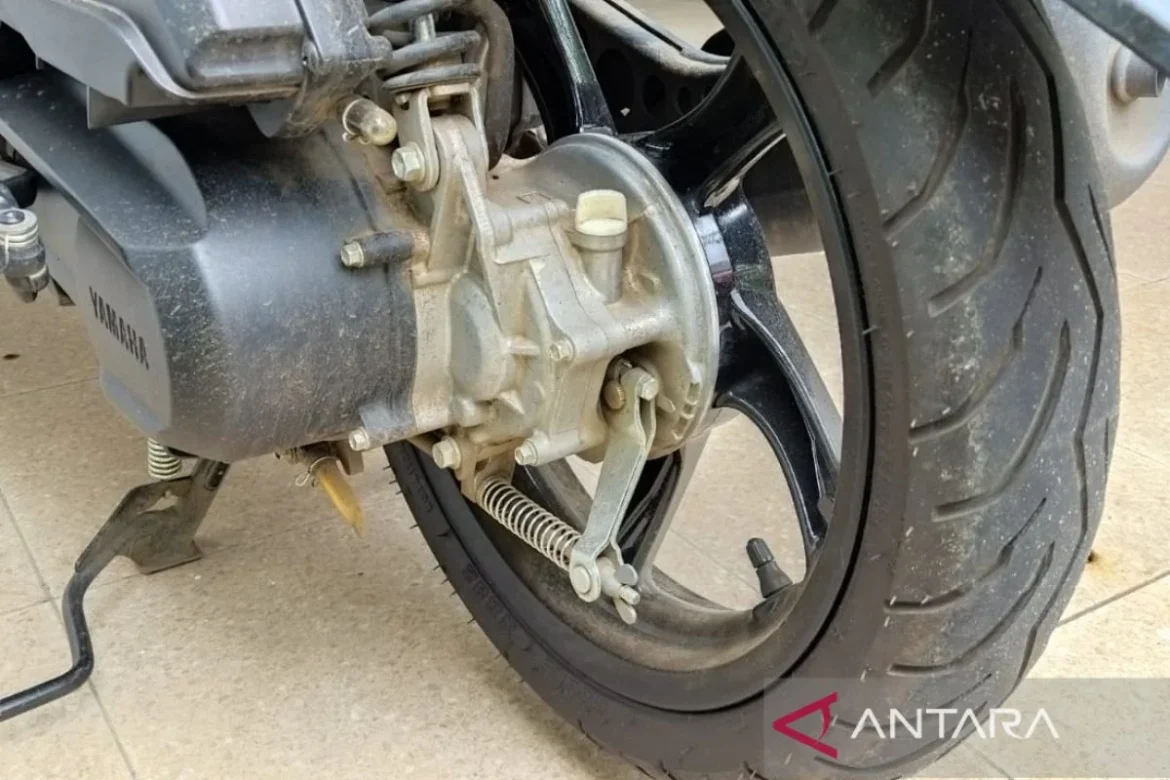
Road dust, fine silica sand, urban particulate matter, and organic debris frequently settle on the friction surfaces of brake pads and rotor discs, compromising the seamless contact required for silent operation. When a rider applies the brakes, trapped microscopic debris becomes pulverized between the pad and the rotor, generating a high-frequency vibration that is amplified into an audible squeal. This phenomenon is particularly prevalent after riding through unpaved construction zones, dusty rural roads, or standing water that flushes mud into the braking assembly. For motorcycles equipped with traditional drum brakes, brake dust and grime can accumulate heavily within the internal drum housing, causing localized friction points. While occasional squealing accompanied by normal stopping performance can often be attributed to transient surface contamination, persistent or escalating noise mandates a thorough inspection. -
Advanced Wear and Friction Material Depletion
Brake pads are consumable components engineered with a specific wear limit. As the friction material gradually thins out over thousands of kilometers of urban and highway riding, the structural backing plate gets progressively closer to the steel brake disc. In advanced stages of wear, the metallic backing plate makes direct contact with the rotor surface during deceleration, producing an aggressive scraping sound that is distinctly harsher than a standard squeal. Ignoring this warning sign not only compromises stopping distance but permanently ruins expensive brake rotors, turning a simple pad replacement into a costly overhaul. Technical service bulletins frequently emphasize that braking efficiency drops exponentially once pad thickness falls below the manufacturer-specified minimum threshold, usually around two millimeters. -
Rotor Contamination, Scoring, and Surface Irregularities
In hydraulic disc brake configurations, the caliper actively squeezes the brake pads against a spinning metal rotor to decelerate the wheel. If the rotor surface develops deep grooves, pitting from rust, thermal warping, or uneven material transfer, the interface between pad and disc becomes chaotic. Surface irregularities prevent uniform contact, triggering harmonic vibrations that resonate through the entire front forks or swingarm. Minor scoring or surface rust can sometimes be resolved through gentle cleaning or natural wear during normal operation, but heavily warped or deeply grooved rotors require professional resurfacing or outright replacement to guarantee predictable braking modulation. -
Atmospheric Moisture, Humidity, and Flash Rust
Morning dew, heavy downpours, and high-pressure vehicle washing routinely leave moisture trapped within the complex geometry of a motorcycle’s brake assembly. This moisture combines with microscopic iron particles on the cast-iron or steel rotor to form a delicate layer of flash rust almost instantaneously. When the vehicle is first operated after exposure to water, the initial application of the brakes scrapes away this microscopic rust layer, frequently producing a loud, echoing squeal. While this sound typically disappears within the first few applications as friction dries the components, persistent noise after the assembly is completely dry indicates that moisture may have triggered secondary corrosion or penetrated the hydraulic seals. -
The Bedding-In Phase of Replacement Components
A common misconception among motorcyclists is that newly installed brake pads will operate in absolute silence from the moment they leave the service bay. In reality, new brake pads require a precise mechanical conditioning phase known in the industry as bedding-in or burnishing. This process transfers an even microscopic layer of friction material from the pad onto the rotor face, creating a symbiotic mating surface that maximizes stopping friction and minimizes noise. However, improper installation, mismatched pad compounds, or failing to follow the manufacturer’s break-in procedures can result in prolonged squealing, glazed pad surfaces, and suboptimal initial bite. -
Mechanical Binding within Caliper Pins and Pistons
The brake caliper houses hydraulic pistons and sliding pins designed to ensure uniform pressure distribution across the friction material. Over time, exposure to road salt, brake dust, and moisture can lead to corrosion and a lack of lubrication on the slider pins or piston housing. If a caliper pin binds or a piston fails to retract smoothly after the rider releases the brake lever, the inner brake pad can remain in a state of constant light contact with the rotor. This continuous drag not only generates a rhythmic squealing sound and accelerates fuel consumption due to rolling resistance, but it also causes premature pad wear and dangerous brake fade from overheating. -
Chemical Contamination from Oils and Lubricants
The introduction of foreign chemical substances—such as engine oil, transmission fluid, multipurpose aerosol lubricants, or heavy grease—onto the friction surfaces of a brake pad or rotor represents a catastrophic failure mode. Porous brake pad materials readily absorb oils and lubricants, which drastically lower the coefficient of friction and compromise the hydraulic system’s ability to decelerate the motorcycle. Attempting to silence a squealing brake by haphazardly spraying penetrating oil onto the caliper or rotor is a dangerous practice that destroys the pads. Once contaminated by oil, brake pads generally cannot be salvaged through cleaning and must be replaced immediately to prevent total brake failure.
Comprehensive Troubleshooting and Corrective Protocols
Addressing brake noise effectively requires a systematic, step-by-step diagnostic approach rather than temporary fixes. Mechanics recommend the following maintenance protocols:
-
Post-Rain and Post-Wash Inspection
Following heavy rain or high-pressure washing, allow the motorcycle to dry and perform a low-speed functional test in a controlled, traffic-free environment. If the squealing persists past the initial few stops or if the lever feels spongy, further mechanical evaluation is warranted. -
Professional Cleaning and Debris Removal
Accumulated dust and brake residue should be cleared using dedicated brake cleaner sprays that evaporate without leaving an oily residue. For drum brakes, removing the rear wheel to clean out accumulated dust from the drum housing is essential for restoring quiet operation and preventing premature scoring. -
Monitoring Pad Thickness and Rotor Integrity
Routine visual checks of the brake pad inspection windows allow riders to monitor material thickness. Concurrently, running a finger cautiously across a cooled brake rotor can help detect deep ridges or warping. Any rotor thickness falling below the minimum service limit stamped on the component requires immediate replacement. -
Ensuring Proper Assembly and Component Alignment
If noise arises shortly after a routine service or pad replacement, a qualified technician should verify that all anti-rattle clips, shims, and caliper bolts are correctly torqued and seated. Misaligned components are a frequent source of persistent harmonic squealing. -
Adhering to Scheduled Preventative Maintenance
Adhering strictly to the manufacturer’s recommended service intervals outlined in the owner’s manual ensures that sliding pins are lubricated with high-temperature brake grease and hydraulic fluid is flushed periodically. This proactive approach prevents corrosion-induced binding and maintains peak system responsiveness.
When to Seek Immediate Professional Intervention
While minor squeaks caused by environmental moisture or dust are common inconveniences, certain auditory and physical symptoms indicate a severe safety hazard that requires immediate professional attention. Riders should cease operating their motorcycle and arrange for transport to a certified service center if the squeal is accompanied by any of the following warning signs:
- A harsh, metallic grinding noise indicating complete loss of friction material.
- A brake lever that feels unusually soft, spongy, or travels deeper toward the handlebar than normal.
- Severe vibrations, pulsing, or steering shudder transmitted through the handlebars or footpegs during braking.
- Wheel drag or a sensation that the motorcycle is resisting forward momentum even when the brakes are fully released.
- A noticeable reduction in overall stopping power, requiring significantly greater physical force applied to the lever or pedal.
- Any visible pooling or leakage of brake fluid around the master cylinder, hydraulic lines, or caliper fittings.
Broader Safety Implications and Industry Analysis
From a broader road safety perspective, maintaining the integrity of a motorcycle’s braking system is paramount. Unlike multi-track vehicles that maintain stability across four points of contact, motorcycles rely heavily on balanced front and rear braking inputs to manage weight transfer during deceleration. Any mechanical anomaly, such as a binding caliper or contaminated pad, can destabilize the chassis, compromise traction on wet asphalt, and dramatically increase stopping distances in emergency scenarios.
Industry analysts emphasize that rider education plays a pivotal role in accident prevention. Routine checks of fluid levels, pad wear, and rotor conditions should form an uncompromised pre-ride routine. By understanding the mechanical origins of brake noise—ranging from harmless environmental flash rust to critical component failure—riders can make informed maintenance decisions, extend the operational lifespan of their vehicle’s safety systems, and ensure a secure riding experience across all environmental conditions.
