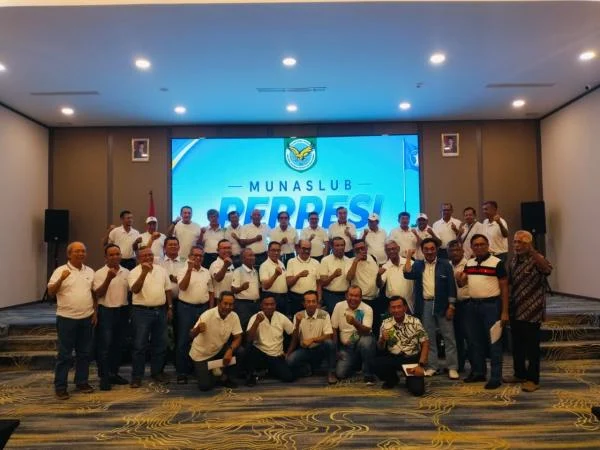
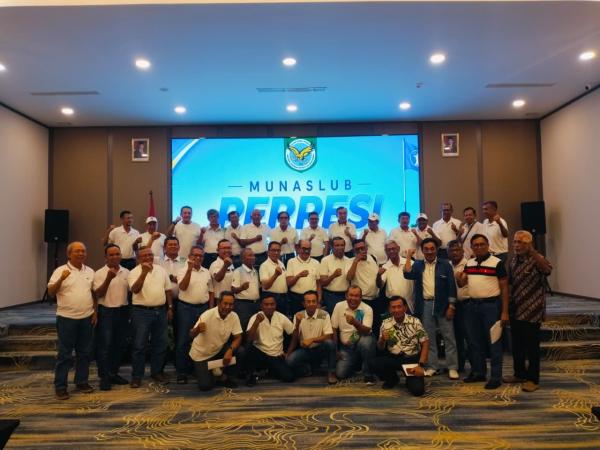
The Perkumpulan Pegolf Senior Indonesia (Perpesi), the nation’s primary governing body for senior golfers, officially ratified a series of critical amendments to its Anggaran Dasar (AD), or Articles of Association, during an Extraordinary National Congress (Munaslub) held in Batam, Riau Islands, on Wednesday, September 16, 2026. This legislative milestone serves as a definitive pivot point for the organization, which seeks to modernize its operational structure to better accommodate the rapid growth of the senior golfing community across the Indonesian archipelago.
A Quorum-Driven Mandate for Change
The convening of the Munaslub was marked by a high level of engagement from the organization’s grassroots components. According to official reports, the forum saw an attendance rate exceeding two-thirds of the total Perpesi chapters nationwide. This robust turnout not only satisfied the legal requirements for a quorum under the organization’s previous statutes but also underscored a collective urgency among senior golfers to adapt to the shifting landscape of sports administration in Indonesia.
The primary objective of the session was singular and focused: to dismantle outdated administrative bottlenecks and replace them with a contemporary framework capable of supporting the decentralized nature of the sport. As golf continues to gain popularity among older demographics as a means of promoting physical health, social integration, and professional networking, Perpesi leadership recognized that its existing governance model—largely designed for a smaller, more centralized entity—had become increasingly inadequate.
The New Structural Paradigm: From Local to Provincial
The most significant outcome of the deliberations in Batam is the formal restructuring of the organization’s hierarchy. Under the newly ratified Articles of Association, Perpesi will transition toward a tiered governance system. Previously, the organizational chart was largely horizontal, with local chapters reporting directly to the central body. The new structure introduces an intermediary level: the Pengurus Daerah (Regional Boards) at the provincial level.
This shift is intended to streamline communication and oversight. By empowering provincial-level boards, Perpesi aims to foster greater autonomy for local city and regency chapters while ensuring that national policies are implemented with greater efficiency. This "top-down, bottom-up" hybrid model is a common strategy in successful sports associations, designed to provide localized support, manage regional tournaments, and facilitate the recruitment of new members without overwhelming the central secretariat.
Leadership Perspective: The Vision of Masrizal A. Syarief
The President of Perpesi, Masrizal A. Syarief, addressed the assembly during the closing stages of the Munaslub, emphasizing that the amendments were not merely administrative housekeeping but a strategic necessity. "The modification of our Articles of Association is the foundational step required to provide the necessary support for the organic expansion of our organization," Syarief stated.
His vision, as articulated during the forum, is to transform Perpesi into a more agile organization capable of representing the interests of senior golfers in a national dialogue concerning sports tourism, public health policy, and facility infrastructure. By formalizing the provincial tier, the leadership hopes to create a more resilient network that can withstand regional economic fluctuations and better coordinate with local governments to secure access to municipal and private golf courses.
Contextualizing the Growth of Senior Golf in Indonesia
To understand the necessity of this Munaslub, one must look at the broader evolution of the golf industry in Indonesia. Over the past decade, the country has seen a marked increase in the number of golf facilities, driven by a burgeoning middle class and an aging population that views golf as a primary recreational and health-focused activity.
Data from the Indonesian Golf Association (PGI) and regional tourism boards suggests that "golf tourism" has become a significant economic contributor, particularly in regions like the Riau Islands, where Batam serves as a hub for both domestic and international players. The decision to host the Munaslub in Batam is symbolic of this trend, as the city has positioned itself as a premier destination for golf enthusiasts. By strengthening its organizational backbone, Perpesi is effectively positioning itself to partner more effectively with the Ministry of Tourism and Creative Economy to promote senior golf events that bring in significant revenue and tourism traffic.
Chronology of Administrative Evolution
The path to the 2026 Munaslub was not sudden. The internal momentum for these changes had been building for several years:
- 2023: Initial discussions regarding the limitations of the current bylaws were raised during the National Annual Meeting, where members noted the difficulty of managing cross-province tournaments.
- 2024: A task force was commissioned to review the operational challenges faced by provincial representatives, identifying the lack of provincial coordination as a major pain point.
- Early 2025: Draft amendments were circulated among local chapters to gather feedback, ensuring that the final vote would be inclusive.
- September 2026: The formal Munaslub was convened in Batam to finalize and ratify the proposed changes, marking the beginning of a new era for the organization.
Broader Implications and Future Outlook
The implications of these structural changes are expected to be far-reaching. By creating a formalized regional presence, Perpesi is better equipped to standardize the rules of competition, handicap systems, and ethical guidelines for senior golfers across different provinces. This standardization is crucial for maintaining the integrity of the sport and ensuring that regional championships can eventually feed into a more structured national ranking system.
Furthermore, the empowerment of provincial boards is expected to improve the organization’s ability to advocate for better golf course maintenance and public access. As local governments increasingly look toward sports to revitalize local economies, having a formal, tiered organization makes Perpesi a more credible partner for regional public-private partnerships.
However, the transition will not be without its challenges. The primary obstacle for the coming fiscal year will be the logistical task of appointing and training new provincial boards to ensure they are equipped to handle their expanded responsibilities. This will require significant investment in administrative infrastructure and leadership training, a challenge that the central leadership acknowledged during the forum.
Conclusion
As the Munaslub in Batam concludes, the atmosphere among the delegates reflects a cautious optimism. The formalization of the provincial structure provides a framework for growth, but the success of this initiative will ultimately depend on the commitment of the newly appointed regional leaders and the continued participation of the grassroots membership. By modernizing its foundational documents, Perpesi has secured the legal and administrative infrastructure necessary to evolve from a loose association of clubs into a sophisticated, nationwide organization capable of leading the future of senior golf in Indonesia. The events of September 16, 2026, will likely be viewed in hindsight as the day the organization successfully bridged the gap between its traditional roots and the requirements of the modern era.