
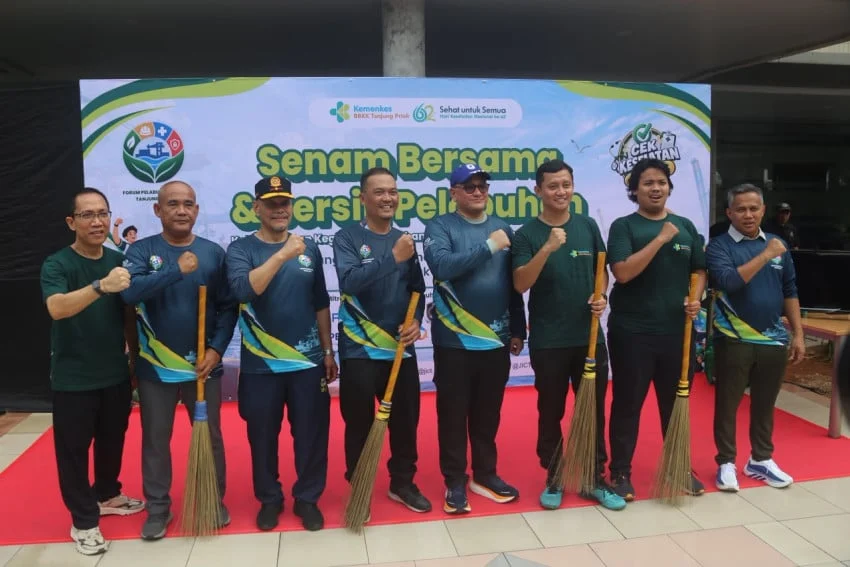
PT Jakarta International Container Terminal (JICT), Indonesia’s leading container terminal operator, has officially reinforced its dedication to occupational health and safety as a critical pillar for bolstering the reliability of the nation’s supply chain and logistics ecosystem. This strategic stance was highlighted during a joint stakeholder initiative at the Tanjung Priok Port in North Jakarta, coinciding with the nationwide commemoration of the 62nd National Health Day (Hari Kesehatan Nasional – HKN).
By collaborating closely with port authorities, labor unions, and maritime stakeholders, JICT aims to set a higher benchmark for workplace well-being in Indonesia’s busiest maritime gateway. The event, which took place at the JICT Parking Building, served as both a celebration of public health milestones and a strategic platform to reiterate that the human element remains the most vital asset in the operational success of international trade.
The Human Element in Port Operations
Modern supply chain discussions frequently revolve around vessel turnaround times, crane productivity indexes, automated stacking modules, and digital customs clearances. However, industry leaders argue that technological advancements are futile without a healthy, resilient, and motivated workforce.
During the event on Friday, October 30, 2026, JICT President Director Ade Hartono emphasized this exact philosophy. Addressing attendees, port workers, and maritime officials, Hartono delivered a compelling message regarding the true measure of a port’s efficiency.
"A port should not be judged solely by how fast containers move, but also by how well we protect the people who move them. For JICT, the health and safety of workers is an essential foundation to maintain the reliability of national logistics services," Hartono stated.
This perspective addresses a long-standing challenge in maritime logistics: the high-stress, physically demanding nature of terminal operations. Container terminal workers—ranging from rubber-tired gantry (RTG) crane operators and harbor truck drivers to maintenance engineers and administrative personnel—operate in high-risk environments around the clock. Ensuring their physical wellness and mental resilience directly correlates with operational safety, accident reduction, and uninterrupted productivity.
Collaborative Initiatives for a Healthier Port
The commitment to workforce welfare was visibly manifested through JICT’s active participation in a series of community and health-focused activities organized by the Tanjung Priok Healthy Port Forum (Forum Pelabuhan Sehat Tanjung Priok). The event featured a synchronized morning gymnastics session (senam bersama) designed to promote physical fitness among port employees, followed by a comprehensive port cleanup campaign (bersih pelabuhan) aimed at improving environmental hygiene across the terminal complex.
These activities align with the overarching theme of the 62nd National Health Day, "Sehat untuk Semua" (Health for All). By engaging workers in wellness programs, JICT and its partners seek to foster a preventive healthcare culture, encouraging employees to embrace active lifestyles and regular health screenings.
The Forum Pelabuhan Sehat Tanjung Priok has historically played a pivotal role in bridging the gap between various terminal operators, shipping lines, and government agencies to maintain sanitary standards, occupational safety protocols, and vector-borne disease prevention within the sprawling maritime hub.
Contextualizing JICT’s Safety and Heritage Legacy
This recent push for occupational health does not stand in isolation; it is part of JICT’s broader institutional narrative. Over recent years, the terminal operator has increasingly invested in initiatives that honor its labor force while modernizing its physical and operational infrastructure.
Just weeks prior to the National Health Day events, JICT inaugurated the Captain Naamin Building, a facility specifically named to honor the pioneers of containerization at Tanjung Priok. Captain Naamin played a monumental role in transforming Indonesia’s traditional break-bulk cargo handling into modern containerized shipping during the early decades of maritime modernization. By bridging its historical roots with contemporary workforce welfare policies, JICT continuously reinforces a corporate culture that values both institutional heritage and human capital.
Furthermore, container terminal operations in Indonesia have undergone significant transformation. As the nation strives to lower logistics costs—a key target for the central government under successive national economic development plans—ports like Tanjung Priok are under constant pressure to elevate their Key Performance Indicators (KPIs). However, industry analysts note that sustainable logistics cost reduction cannot be achieved by cutting corners on labor safety or personnel development. Instead, optimized ergonomics, rigorous occupational health protocols, and proactive fatigue management are now recognized as vital components of operational excellence.
Broader Implications for National Logistics Competitiveness
Indonesia, as an archipelagic nation, relies heavily on maritime logistics for inter-island trade and international exports. Tanjung Priok handles more than half of Indonesia’s international transshipment and container traffic, making it the heartbeat of the country’s external trade. Any disruption at this critical node—whether caused by labor disputes, infrastructure bottlenecks, or widespread health crises—can trigger cascading delays across the entire domestic supply chain.
By positioning worker health as the bedrock of logistics reliability, JICT is aligning its corporate strategy with broader national objectives. A healthy workforce translates into:
- Reduced Absenteeism: Proactive health initiatives minimize sick leave and chronic illnesses among operational staff, ensuring optimal roster availability.
- Lower Incident Rates: Alert, healthy, and mentally focused operators are significantly less prone to workplace accidents, protecting both human lives and multimillion-dollar port machinery.
- Enhanced Productivity: High employee morale and physical well-being naturally drive higher operational efficiency, contributing to faster vessel turnaround times.
- Investor Confidence: International shipping lines and global logistics partners increasingly evaluate terminal operators based on Environmental, Social, and Governance (ESG) metrics, where worker health and safety hold a paramount weighting.
Moving Forward: Sustainable Port Management
As global trade standards evolve, Indonesian ports are facing heightened scrutiny regarding their ESG compliance. Initiatives such as the joint health campaigns led by JICT and the Tanjung Priok Healthy Port Forum demonstrate a growing maturity in how state-affiliated and joint-venture terminal operators approach human resource management.
The integration of routine wellness programs with infrastructural developments signals a holistic approach to port management. Moving forward, stakeholders expect JICT to continue championing occupational safety standards that can serve as a benchmark for other secondary and tertiary ports across the Indonesian archipelago.
Ultimately, the message emerging from Tanjung Priok is clear: while cranes, automated systems, and deep-water berths are indispensable for modern shipping, the true engine of national logistics remains the well-being of the workers on the ground. Through sustained collaboration, health advocacy, and institutional commitment, JICT is working to ensure that Indonesia’s maritime backbone remains as resilient as the people who power it.
