The Indonesian entertainment industry has recently been set abuzz by a wave of digital speculation involving veteran singer Dewi Gita and comedian Andre Taulany. The controversy stems from viral screenshots of a WhatsApp conversation circulating on social media, which purportedly implicate a figure identified only by the moniker "Degoy." Amidst the unsubstantiated claims, netizens have begun associating this nickname with the wife of Gigi vocalist Armand Maulana. While there has been no official confirmation or evidence linking Dewi Gita to these allegations, the incident has prompted a broader public conversation regarding the privacy of public figures and the volatility of social media discourse.
The Genesis of the Speculation
The rumors began to gain traction when anonymous social media accounts shared fragments of a digital conversation that hinted at an extramarital affair involving Andre Taulany. In the digital age, where screenshots are often treated as definitive proof by online audiences, the term "Degoy" became a central focal point for internet sleuths. Because "Degoy" phonetically resembles a nickname that could be attributed to Dewi Gita, the singer was quickly dragged into the narrative without any verified evidence connecting her to the source material.
It is essential to note that the accounts responsible for disseminating these screenshots did not explicitly name Dewi Gita. The connection remains purely speculative, driven by the tendency of digital communities to map public figures onto ambiguous information. As of this date, both the Taulany and Maulana camps have remained largely silent on the specific allegations, a common strategy in crisis management for high-profile celebrities who seek to avoid legitimizing baseless online chatter.
Contextualizing the Public Figure: Who is Dewi Gita?
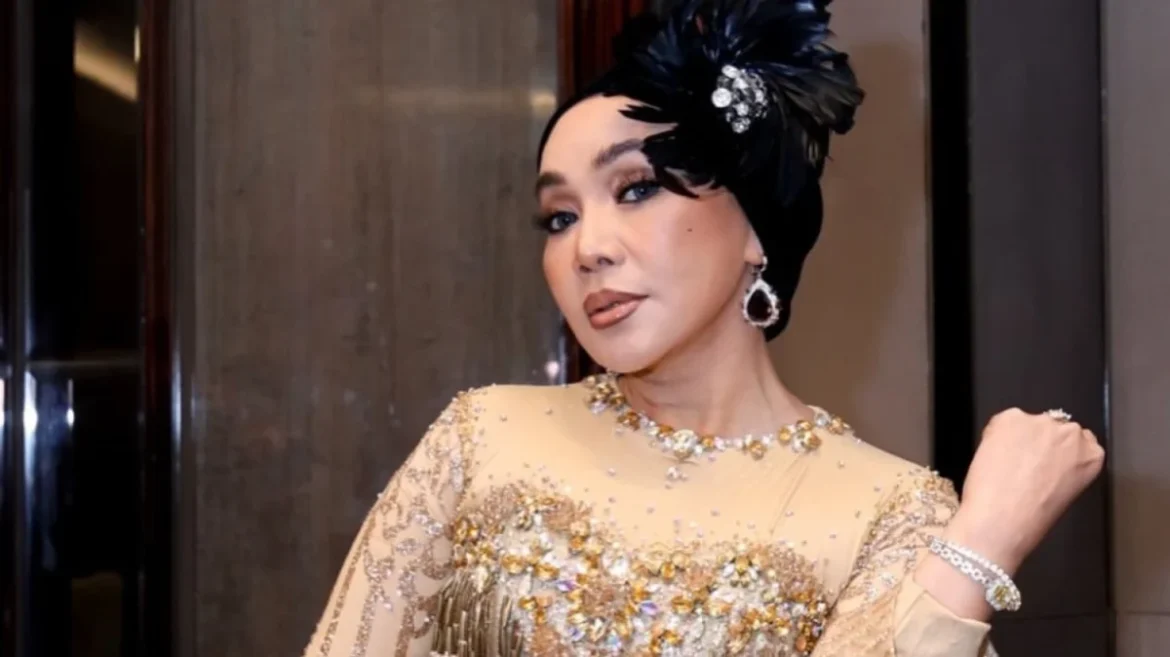
To understand the weight of these rumors, one must look at the long and storied career of Dewi Gita. Born Dewi Yuliarti on July 28, 1970, in Bandung, West Java, she is far more than a name in a headline. Her trajectory in the Indonesian arts scene began not in the recording studio, but on the stage as a professional dancer. This background in movement and performance discipline likely contributed to her stage presence, which would eventually define her musical career.
Dewi Gita’s transition into the music industry was marked by a series of high-profile achievements that cemented her status as a legitimate vocal talent. Her competitive spirit was evident as early as the late 1980s. She secured the title of Festival Pop Singer Jawa Barat and Juara Keroncong Jawa Barat in 1988, followed by the Bintang Radio dan Televisi Jawa Barat award in 1989. By 1992, her reach had expanded to the international stage when she earned second place as the Grand Champion in the prestigious Asia Bagus competition, a platform that launched the careers of many Southeast Asian stars.
Her professional recording debut came in 1990 with the single "Jujur," which was followed by a string of studio albums throughout the 1990s and early 2000s, including "Penari" (1995), "Apa Jadinya" (1996), "Padamu" (1999), and "Kegaiban Biru" (2000). Her partnership with Armand Maulana, whom she married on January 11, 1994, has often been cited as one of the most stable and enduring relationships in the Indonesian entertainment industry, characterized by their shared dedication to music and their daughter, Naja Dewi Maulana.
The Impact of Digital Misinformation
The current situation involving Dewi Gita highlights a recurring issue in modern journalism and social media: the speed at which misinformation can damage reputations. In an era where "cancel culture" and public shaming often precede investigation, public figures are increasingly vulnerable to "guilt by association."
The implication of an artist as established as Dewi Gita in a scandal involving another major television personality like Andre Taulany serves as a case study for the risks of social media rumor-mongering. When fans attempt to connect dots that do not exist, they risk devaluing decades of professional achievement. Dewi Gita’s career, spanning over 30 years, is built on a foundation of artistic integrity and public service to the arts. Linking her to a transient, unverified internet rumor creates a disproportionate narrative that ignores the complexity of her personal and professional life.
Professional Analysis of the Crisis
Media experts suggest that the lack of concrete evidence in the "Degoy" rumor is why neither party has issued a formal denial. In the field of public relations, responding to speculative, anonymous allegations often serves only to amplify the reach of the rumor. By remaining silent, the involved parties maintain control over the narrative, preventing the escalation of the incident into a full-blown public scandal that would require legal intervention.
Furthermore, the Indonesian public’s reaction to these rumors is reflective of a broader cultural fascination with the private lives of celebrities. In the current digital landscape, the distinction between a private citizen and a public figure has blurred, leading to an expectation that the personal lives of stars are "public property." This sentiment is often weaponized by social media accounts seeking engagement through clickbait and sensationalist content.
The Broader Implications for the Industry
This incident serves as a reminder of the need for media literacy in the digital age. As users navigate platforms like TikTok, X (formerly Twitter), and Instagram, the ability to discern between verified reporting and social media gossip becomes paramount. The Indonesian entertainment sector, which has seen its fair share of high-profile divorces and scandals, is currently in a state of hyper-vigilance. Any interaction, no matter how benign, between celebrities is now subject to intense, and often invasive, scrutiny.
For Dewi Gita, who has intentionally kept a lower profile in recent years to focus on family and selective projects, this unwanted attention is an example of the collateral damage caused by the modern "scandal cycle." While she has transitioned through different phases of her career—from the pop star of the 90s to a mentor and media personality—her legacy is firmly rooted in her musical contributions rather than the sensationalist headlines that currently threaten to overshadow them.
Looking Forward: A Legacy Beyond the Gossip
As the noise surrounding the "Degoy" rumors eventually subsides, it is likely that the public discourse will return to the substantive contributions of the artists involved. Dewi Gita’s journey from a young dancer in Bandung to a national icon is the true narrative arc of her life. Her dedication to her craft, her consistent presence in the music scene, and her role as a mother and wife remain the tangible aspects of her public identity.
The lesson for the audience is clear: the information landscape is fraught with potential for distortion. Until there is verified, credible evidence, allegations regarding the personal conduct of public figures should be treated with extreme skepticism. In the case of Dewi Gita, the lack of substantiation is the most telling detail of all. Her career, which has survived the test of time, is unlikely to be dismantled by the ephemeral nature of social media speculation.
In summary, the events of mid-September 2026 serve as a cautionary tale about the intersection of digital privacy and public curiosity. While the industry continues to evolve, the necessity for integrity in reporting and responsible engagement from the audience remains a constant. For now, the story of Dewi Gita remains one of musical excellence and professional resilience, largely untouched by the unverified whispers of the internet. The focus for her fans and the general public should remain on the music and the legacy she has built over more than three decades, rather than the fleeting shadows of online conjecture.