
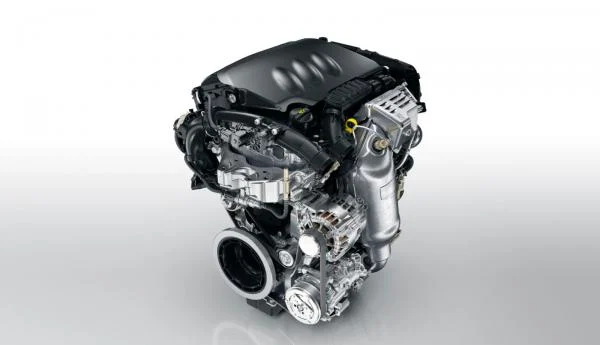
The recent announcement regarding a large-scale recall of Peugeot 2008 compact SUVs in Europe has triggered a wave of concern among owners of the French brand’s vehicles in Indonesia. The recall, which specifically targets potential mechanical failures associated with the 1.2L PureTech engine, has sparked widespread public inquiry regarding the safety and reliability of models currently circulating on Indonesian roads. In an official response aimed at quelling these anxieties, Astra Peugeot—the authorized distributor of Peugeot in the country—has categorically confirmed that the units sold within the Indonesian market are not subject to the recall program initiated in Europe.
The Scope of the European Recall
The technical concerns originating from Europe center on the 1.2L PureTech engine, a powerplant celebrated for its fuel efficiency and punchy performance. However, recent reports from European automotive regulatory bodies highlighted an increased incidence of premature wear on the timing belt system. The issue is linked to the degradation of the timing belt, which, if left unaddressed, can lead to oil contamination and subsequent engine failure.
In automotive engineering, the timing belt—or timing chain—is the lifeblood of the engine, ensuring that the rotation of the crankshaft and the camshaft are synchronized. When this component begins to disintegrate prematurely, rubber debris can enter the oil circuit, potentially clogging the oil pump strainer and leading to a significant loss of oil pressure. This chain reaction poses a risk of catastrophic engine damage if the vehicle is not serviced or inspected promptly. The European recall was designed to proactively address this by replacing the belt and, in some cases, flushing the lubrication system of affected vehicles to ensure long-term mechanical integrity.
Clarifying the Situation in Indonesia
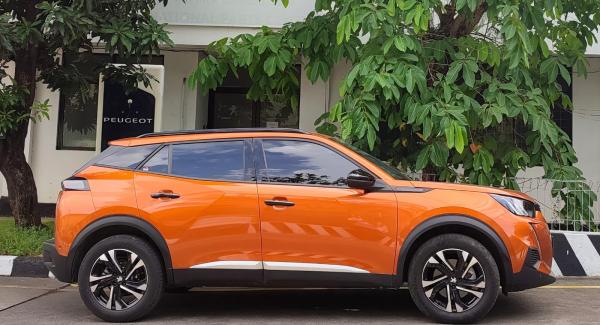
Following the widespread circulation of the news, owners of the Peugeot 2008 in Indonesia expressed significant concern regarding whether their vehicles were manufactured with the same specifications or components identified in the European safety bulletin. Addressing these concerns directly, Rafii Sinurat, the Head of After Sales at Astra Peugeot, provided a comprehensive clarification during a press briefing held on Friday, October 30, 2026.
"The program of recall currently underway in Europe is strictly limited to vehicles identified by specific Vehicle Identification Number (VIN) ranges that were allocated for the European market," Sinurat explained. "Our internal technical assessment confirms that the units of the Peugeot 2008 sold through our official channels in Indonesia were manufactured under different batch specifications and do not share the same risk profile as those identified in the European recall campaign. Consequently, we have determined that no recall is necessary for the Indonesian market at this time."
Sinurat further emphasized the commitment of Astra Peugeot to maintaining the highest safety and performance standards for its local customers. He noted that the company continues to monitor the health of all vehicles through their dedicated network of official workshops across Indonesia, ensuring that owners receive the necessary guidance and maintenance services to maintain the longevity of their engines.
Understanding the Peugeot 2008 in the Indonesian Context
The Peugeot 2008 first arrived on the Indonesian automotive scene in 2022, carving out a niche as a premium compact SUV. Designed to compete with established Japanese and South Korean crossovers, the 2008 offers a distinctive aesthetic, blending bold styling with an upscale, driver-centric interior—often referred to by the manufacturer as the "i-Cockpit."

Under the hood, the Indonesian-market Peugeot 2008 is powered by the 1.2L three-cylinder Turbo PureTech engine. This powerplant is designed to deliver a balance of power and efficiency, outputting approximately 130 horsepower and 230 Nm of torque. This output is channeled to the wheels through a six-speed automatic transmission. Since its introduction, the vehicle has been praised for its agility and build quality, marking a significant step in Peugeot’s efforts to re-establish a strong presence in the Southeast Asian market.
Mechanical Maintenance and Owner Safety
The confusion surrounding this recall highlights the broader importance of vehicle maintenance protocols in the modern automotive landscape. While the Peugeot 2008 in Indonesia is not part of the recall, industry experts suggest that owners should always adhere to the manufacturer’s recommended service schedule.
Regular maintenance is not merely about preserving the warranty; it is the most effective way to detect potential mechanical issues before they escalate into major failures. In the case of turbocharged engines, such as the 1.2L PureTech, the use of high-quality, manufacturer-approved engine oil is paramount. Oil acts as both a lubricant and a coolant for the turbocharger system, and using the wrong grade can lead to premature wear of internal engine components, regardless of the vehicle’s manufacturing batch.
Astra Peugeot’s after-sales division has urged all customers to utilize the official service network. By doing so, owners ensure that their vehicles are kept updated with the latest software patches and technical bulletins released by the manufacturer. If a vehicle is maintained at an authorized workshop, the company can effectively track the health of the engine and provide immediate assistance if any unusual symptoms arise.

Implications of Global Recall Announcements
In the age of global connectivity, news regarding vehicle recalls often travels faster than official notifications. For multinational automotive brands, this presents a unique challenge: managing consumer perception across disparate markets. A recall in one region, while necessary for that specific geography due to climate, fuel quality, or manufacturing origin, does not necessarily mean that the global model is flawed.
The automotive industry is characterized by complex supply chains. Vehicles sold in Europe may be sourced from a different manufacturing facility than those sold in Southeast Asia, or they may utilize parts from a different supplier. When a company issues a global statement or provides specific clarifications like the one issued by Astra Peugeot, it helps to maintain market stability and consumer trust.
For the Indonesian consumer, this event serves as a reminder to rely on official channels for information regarding vehicle safety. Speculation based on foreign news outlets can often lead to unnecessary alarm. The clarity provided by the official distributor acts as the primary source of truth, allowing vehicle owners to continue enjoying their cars with peace of mind.
Future Outlook and Commitment to Quality
As the automotive industry pivots toward electrification and more sophisticated internal combustion engines, the standard of after-sales support becomes a primary differentiator for brands. Peugeot’s presence in Indonesia is a testament to the brand’s commitment to delivering European-style driving dynamics to a wider audience. By proactively addressing the recall rumors, the brand has demonstrated a level of transparency that is vital for long-term customer loyalty.
Moving forward, Astra Peugeot has stated that it will continue to prioritize the technical support of its local fleet. As the company expands its offerings in the SUV segment, the emphasis on rigorous quality control and responsive after-sales service will remain the cornerstone of its operations in Indonesia.
For owners who may still have lingering questions or who wish to have their vehicles inspected for peace of mind, Astra Peugeot encourages visits to their authorized service centers. These centers are equipped with the specialized diagnostic tools required to assess the condition of the engine’s critical systems. As the automotive landscape continues to evolve, maintaining this direct line of communication between the manufacturer, the distributor, and the end-user remains the most effective way to ensure safety, reliability, and satisfaction on the road.
In summary, while the recall in Europe is a significant operational adjustment for the brand in that region, it serves as a non-event for the Indonesian market. The local units, while sharing the same nameplate, are distinct in their build specifications and are not affected by the timing belt issues reported abroad. Owners can rest assured that their vehicles continue to meet the safety standards expected of a premium compact SUV.
