
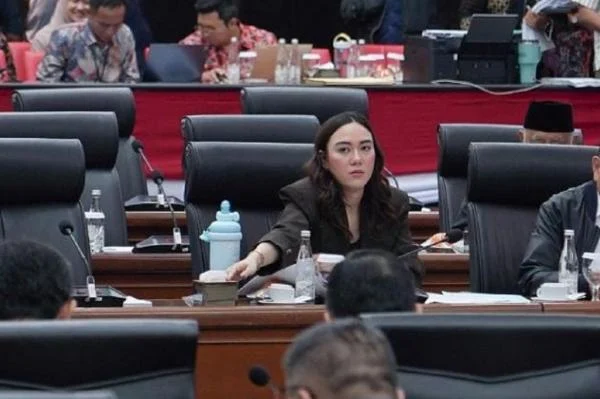
The Jakarta Provincial Government’s proposal to implement a debt relief program for residents of state-owned low-cost rental housing (Rusunawa) has received strong backing from the Jakarta Regional House of Representatives (DPRD DKI Jakarta). During a recent supervisory review held at the Jatinegara Rusunawa in East Jakarta, legislator Alia Noorayu Laksono emphasized that this initiative represents a critical step toward alleviating the economic burden on the city’s most vulnerable populations. The proposed policy, aimed at "white-washing" or forgiving long-standing rental arrears, is currently under review, with legislative leaders urging a swift transition from proposal to execution to ensure immediate relief for households struggling with the high cost of living in the capital.
Contextualizing the Financial Burden in Jakarta’s Rusunawa
The issue of rental arrears in Jakarta’s public housing sector is not a new phenomenon. It is deeply rooted in the complex socio-economic landscape of the city, where low-income families often face volatile income streams. Rusunawa units were designed as a social safety net to provide safe and affordable housing for citizens displaced by urban renewal projects or those living in slums. However, economic shocks—ranging from the lingering effects of the global pandemic to recent inflationary pressures on essential goods—have made it increasingly difficult for many residents to maintain consistent rental payments.
For many occupants, the priority is often skewed toward securing food and healthcare, leading to the accumulation of rental debt. This debt often snowballs, creating a psychological and financial barrier that prevents residents from regularizing their status. By proposing a blanket forgiveness policy, the Jakarta Provincial Government aims to "reset" the system, allowing residents to start anew with a clean slate, while simultaneously working toward a more sustainable management model for the city’s residential assets.
Legislative Oversight and the Role of the DPRD
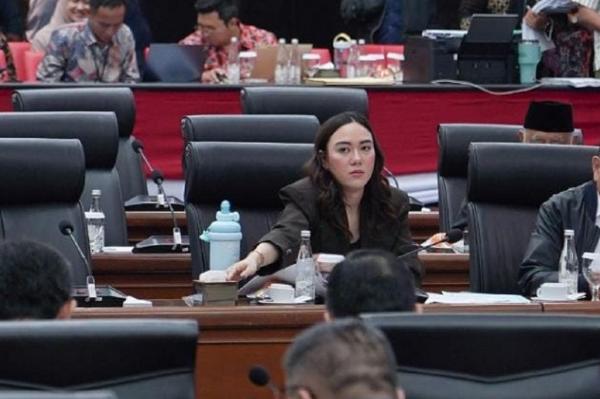
The endorsement from Alia Noorayu Laksono came during a session focused on the "Improvement of DPRD Supervisory Functions regarding Regional Legal Products." This legislative activity is part of a broader mandate to ensure that the executive branch’s policies align with the welfare requirements of Jakarta’s citizens.
"Many residents in our public housing units are grappling with severe financial constraints. Our core function as representatives of the people is to ensure that regional regulations and policies act as a catalyst for social welfare, not an impediment," Laksono stated during the assembly. The DPRD has signaled its intent to act as a watchdog to ensure that when the policy is ratified, it is implemented transparently and reaches those who need it most. The legislative body is currently pushing for a formal legal framework that will govern how these arrears are written off, ensuring that the process is auditable and adheres to strict bureaucratic standards.
The Evolution of Public Housing Policy in Jakarta
To understand the significance of this move, one must look at the recent evolution of Jakarta’s public housing strategy. Over the past few years, the provincial government has shifted its focus from merely providing shelter to creating integrated living ecosystems. This includes the development of "mini-cinemas" in various housing complexes, intended to provide affordable entertainment and community spaces, as well as proposals for infrastructure that integrates residential buildings with schools, traditional markets, and public transit hubs.
This integrated approach is championed by various political stakeholders, including figures like Pramono, who have consistently argued that housing must be part of a holistic urban planning strategy. By connecting low-income residents to public transport and essential services, the city hopes to break the cycle of poverty. The debt relief program is, therefore, seen as a necessary precursor to these broader upgrades; it is difficult to build a vibrant, integrated community if the residents are perpetually under the threat of eviction due to mounting debt.

Statistical Reality of Public Housing Arrears
While specific, city-wide figures for total outstanding debt are periodically updated in the provincial audit reports, it is estimated that thousands of households across Jakarta’s dozens of Rusunawa sites carry some form of rental delinquency. These arrears are often exacerbated by administrative complexities, where residents who are eligible for government subsidies fail to complete the necessary documentation due to lack of awareness or bureaucratic hurdles.
The proposed policy is expected to address these administrative bottlenecks. By reconciling the data, the government aims to distinguish between residents who are genuinely unable to pay and those who may have the means but have neglected their obligations. The criteria for the "white-washing" program will likely be based on verified economic data, ensuring that the relief is targeted toward the most vulnerable, such as elderly citizens, those with disabilities, or households with single-income earners.
Official Responses and Future Outlook
The executive branch of the Jakarta Provincial Government has indicated that the legal mechanism for this debt forgiveness is in the final stages of drafting. Once the regulation is finalized, it will serve as the legal basis for the administration to remove the bad debts from their balance sheets and allow the residents to regain their standing.
For the residents, the impact of this policy goes beyond the immediate financial relief. It restores a sense of stability and security. As noted by officials during the Jatinegara visit, there is a reciprocal relationship between the state and the citizens. While the government provides subsidized housing, residents are expected to fulfill their civic duties, including the timely payment of future rent and the maintenance of shared facilities. The dialogue between the DPRD and the residents is aimed at fostering a culture of mutual responsibility, where the government provides a fair start, and the residents actively contribute to the upkeep of their community.

Socio-Economic Implications and Long-Term Sustainability
The broader implication of this move is the potential for a more efficient and humane management of public assets. If the debt relief program is successful, it could serve as a template for other metropolitan areas in Indonesia. By clearing the backlog of unpaid rent, the government can better forecast its revenue and allocate maintenance funds more effectively.
However, analysts suggest that debt relief alone is a temporary fix. For long-term sustainability, the government must also focus on economic empowerment programs within the Rusunawa complexes. This includes vocational training, support for small and medium enterprises (MSMEs) within the housing units, and ensuring that residents have reliable access to jobs via the city’s improved transportation network.
Conclusion: A Path Toward Inclusive Urban Living
The initiative to forgive rental arrears is a testament to the ongoing shift in Jakarta’s governance—moving toward a model that prioritizes human-centric urban development. As the DPRD continues its supervisory role, the focus will remain on ensuring that the policy is not just a populist gesture, but a well-structured regulation that provides lasting benefits.
As of mid-September 2026, the sentiment in the halls of the DPRD remains optimistic. With both the executive and legislative branches aligned on the necessity of this relief, the residents of Jakarta’s public housing units can expect a resolution in the coming months. This development reflects a city that is increasingly aware of the need to support its low-income inhabitants, recognizing that a stable home is the foundation upon which all other socio-economic progress is built. The success of this policy will ultimately be measured by its ability to prevent future accumulation of debt and to integrate these residents more fully into the thriving economic life of Jakarta.
