
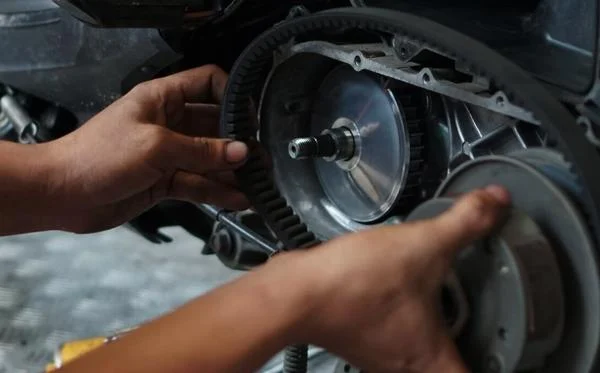
For millions of commuters across the globe, the automatic motorcycle—or "matik"—has become the primary mode of transportation due to its ease of operation and maneuverability in dense urban traffic. However, the convenience of a twist-and-go transmission system comes with the responsibility of rigorous maintenance. At the heart of this system lies the Continuously Variable Transmission (CVT), a sophisticated mechanism that relies heavily on a drive belt, commonly known as a v-belt, to transfer power from the engine to the rear wheel. Because this component operates within a sealed housing, it remains largely invisible to the rider, leading many to adopt a "set it and forget it" mentality that often results in catastrophic mechanical failure.
The necessity of monitoring the CVT system has come to the forefront as automotive experts emphasize that the v-belt is a high-wear component. As technical standards evolve and traffic conditions become increasingly demanding on engines, understanding the early warning signs of belt degradation is no longer just a technical recommendation; it is a critical safety practice for every motorcycle owner.
The Mechanics of the CVT System
The CVT system operates on a principle of variable gear ratios, utilizing two pulleys connected by a rubber v-belt. Unlike traditional manual transmissions that use fixed-ratio gears, the CVT allows the engine to maintain its optimal power band across various speeds. This constant movement causes the v-belt to endure significant heat, friction, and tensile stress.
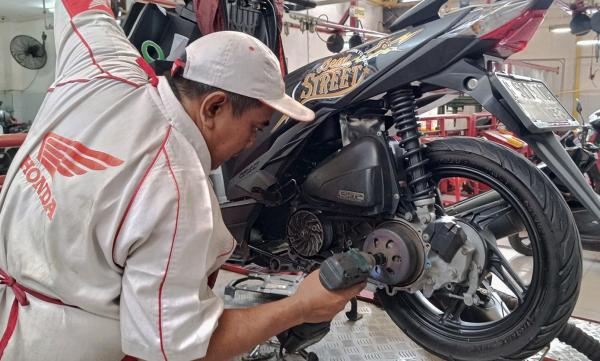
Over time, the rubber compound of the v-belt undergoes thermal degradation. It becomes brittle, develops micro-cracks along its inner teeth, and eventually loses its structural integrity. When a v-belt snaps while the motorcycle is in motion, the engine loses its connection to the rear wheel instantly. This can lead to a complete loss of propulsion, which, if occurring in high-speed traffic, presents a significant safety hazard.
Chronology of Component Wear and Maintenance
Technical experts suggest that the lifespan of a standard v-belt typically ranges between 20,000 to 25,000 kilometers under normal riding conditions. However, this lifespan is highly dependent on riding habits. Aggressive acceleration, carrying heavy loads, and riding in stop-and-go traffic significantly accelerate wear.
A typical maintenance timeline for a CVT-equipped motorcycle generally follows these intervals:
- 0–5,000 km: Initial break-in period where the belt settles into the pulleys.
- 8,000–10,000 km: First major inspection of the CVT housing, involving cleaning dust buildup and checking for signs of fraying.
- 15,000–20,000 km: Recommended interval for more intensive inspection or proactive replacement if signs of cracking are present.
- 24,000+ km: Standard replacement threshold regardless of apparent condition to prevent sudden failure.
Recognizing the Symptoms of Failure
Because the CVT housing is opaque, riders must rely on sensory feedback to diagnose potential issues. Wahyu Budhi, Head of Technical Training at PT Wahana Makmur Sejati (WMS), highlights that the motorcycle often communicates its mechanical distress long before a total breakdown occurs.

Key symptoms that require immediate professional attention include:
- Audible Rattling or Squealing: A metallic clicking or grinding noise from the left side of the engine (where the CVT is located) often indicates a worn belt flapping against the housing or worn-out clutch rollers.
- Performance Hesitation: If the motorcycle feels sluggish when accelerating from a standstill, or if there is a noticeable "slipping" sensation where engine RPMs rise without a corresponding increase in speed, the belt is likely losing its grip on the pulleys.
- Increased Vibration: Excessive vibration felt through the footrests or the chassis during acceleration can be a sign that the belt is stretched or that the CVT pulleys are misaligned.
- Drop in Fuel Efficiency: A degraded transmission system forces the engine to work harder to achieve the same speed, which often manifests as a sudden, unexplained decrease in fuel economy.
Expert Insight: The Importance of Vigilance
Wahyu Budhi emphasized during a recent industry briefing on October 26, 2026, that riders should not treat their motorcycles as maintenance-free appliances. "Pengendara perlu memperhatikan perubahan suara dan respons sepeda motor saat digunakan," Budhi stated. He noted that the most dangerous aspect of CVT maintenance is the "out of sight, out of mind" trap. By the time a rider notices a total loss of power, the damage to the clutch assembly or the pulleys may already be extensive, turning a simple belt replacement into a costly overhaul of the entire transmission system.
Data-Driven Analysis of CVT Reliability
Industry data suggests that nearly 30% of all roadside assistance calls for automatic motorcycles in urban centers are related to transmission failure, with the vast majority stemming from neglected belt maintenance. Statistical models from major manufacturers indicate that vehicles subjected to high-ambient-temperature environments—common in tropical climates—show a 15% faster rate of rubber degradation compared to those in cooler climates.
Furthermore, the quality of replacement parts plays a critical role. Third-party or "non-genuine" belts often fail at higher rates due to inferior rubber compounds that cannot withstand the high heat generated within the CVT casing. Mechanics consistently advise that for a component as vital as the v-belt, utilizing original equipment manufacturer (OEM) parts is the only way to ensure the safety and longevity of the vehicle.

Broader Implications for Road Safety
The implication of these findings extends beyond individual motorcycle ownership. In many metropolitan areas, the sheer volume of automatic motorcycles means that a single broken-down vehicle can cause significant traffic bottlenecks. When these breakdowns occur in high-traffic lanes, they increase the risk of rear-end collisions and exacerbate urban congestion.
From a regulatory and safety standpoint, there is a growing push for better public education regarding vehicle maintenance. While safety inspections are common for four-wheeled vehicles in many jurisdictions, motorcycles are often exempt from such stringent requirements. This leaves the burden of safety entirely on the owner, making public awareness campaigns about CVT health essential for urban mobility.
Best Practices for Longevity
To mitigate the risks associated with CVT failure, owners should integrate the following habits into their vehicle care routine:
- Regular Cleaning: The CVT housing is a magnet for belt dust and debris. Periodic cleaning helps keep the pulleys cool and prevents abrasive buildup.
- Listen to the Machine: Riders should spend time familiarizing themselves with the "normal" operational sounds of their bike. Any deviation from this—such as a new squeak or a change in pitch—should be treated as a warning.
- Professional Inspection: Even if the bike seems to be running perfectly, a professional technician should open the CVT cover at least once every 8,000 kilometers to perform a physical inspection of the belt’s thickness and tension.
- Avoid Overloading: The CVT is designed for specific weight capacities. Consistently exceeding these limits puts excessive strain on the drive belt, leading to premature thinning.
Conclusion
The automatic transmission has revolutionized modern commuting, offering a seamless experience that allows riders to focus on the road rather than gear shifts. However, this convenience is built upon a delicate mechanical balance. By staying informed about the symptoms of CVT wear, adhering to recommended maintenance schedules, and listening to the subtle cues provided by their machines, riders can ensure their safety and the reliability of their transport.

Ultimately, the longevity of a motorcycle’s transmission is a testament to the owner’s diligence. As the automotive landscape continues to prioritize efficiency and ease of use, the role of the rider in maintaining these complex systems remains the most critical factor in preventing the inconvenience—and potential danger—of a roadside breakdown. Whether it is a daily commute to the office or a weekend excursion, a well-maintained CVT is the silent guardian of a smooth and safe journey. Moving forward, continued education and adherence to factory-certified maintenance protocols will remain the best defense against the risks inherent in automatic transmission technology.
