
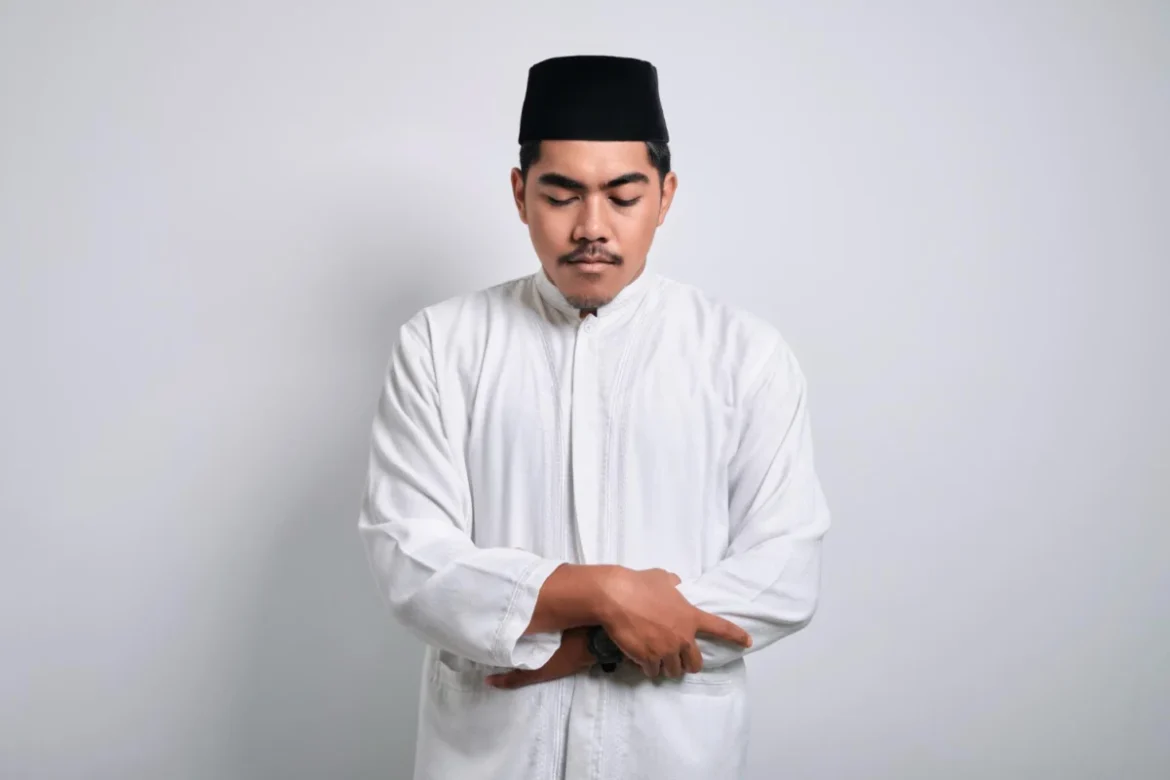
The determination of the final window for the Isha prayer remains one of the most frequently discussed topics within Islamic jurisprudence. For many Muslims, the scenario of falling asleep before performing the obligatory Isha prayer is a common dilemma, often leading to anxiety upon waking during the late hours of the night. As Islamic law relies on textual interpretation, the debate regarding whether the Isha prayer window expires at midnight or extends until the onset of dawn involves a nuanced analysis of Prophetic traditions and the consensus of classical scholars.
The Theological Framework of Prayer Times
The foundation of Islamic prayer timing is rooted in the Quranic injunction found in Surah An-Nisa (4:103), which states, "Indeed, prayer has been decreed upon the believers a decree of specified times." This verse establishes that prayer is not merely an act of devotion but a rigid temporal obligation. However, the specific parameters for these times—particularly the transition between the end of the day and the beginning of the new cycle—have been the subject of extensive scholarly interpretation.
The discourse centers on how to reconcile various Hadiths (Prophetic traditions) that appear to offer conflicting timelines. Some narrations suggest a limit at the middle of the night, while others imply a broader range that could extend until the appearance of the Fajr (dawn) light. This ambiguity necessitates a deeper understanding of the "Ikhtilaf" or scholarly disagreement, which serves as a source of flexibility rather than confusion within the practice of the faith.
Chronology and Scholarly Interpretations
The debate is typically divided into three primary schools of thought regarding the expiration of Isha:
- The Midnight Limit: Many scholars, drawing from the Hadith of Abdullah bin Amr, maintain that the time for Isha concludes at the midpoint of the night. This perspective is held to ensure that believers do not become complacent in delaying their worship.
- The First-Third Limit: Another segment of jurisprudence argues that the most virtuous and defined time for Isha concludes at the end of the first third of the night, emphasizing the importance of performing the prayer while the body is still active.
- The Dawn Extension: A significant number of jurists, relying on the Hadith of Ibn Abbas, argue that the Isha window remains open until the first light of dawn (Fajr). This interpretation posits that the entire night is technically a potential time for Isha, provided it is not intentionally delayed without a valid excuse.
Analyzing the "Sleep" Exception
A critical aspect of this issue is the distinction between "forgetfulness" or "unintentional sleep" and "willful delay." In Islamic legal theory, the concept of "penalization" for missing a prayer does not apply to those who are genuinely incapacitated by sleep. The Prophet Muhammad (peace be upon him) explicitly stated in a Hadith recorded by Imam Muslim: "There is no negligence in sleeping; negligence is only on the one who does not perform the prayer until the time of the next prayer arrives."

This principle provides a vital psychological and spiritual buffer. For a believer who wakes up at 2:00 AM or 3:00 AM, the primary obligation shifts from "worrying about the expiration" to "the immediate fulfillment of the duty." The act of waking up serves as the new "start time" for that individual to fulfill the obligation, as the state of sleep removed the burden of the initial time constraint.
Supporting Data and Hadith Contextualization
To understand the breadth of this issue, one must consider the Prophetic guidance regarding the delay of Isha. The Prophet expressed a desire to allow the community to delay the prayer until the middle of the night, stating that he would have commanded it if it were not a burden on his followers. This suggests that the "late" window is not inherently sinful, provided the delay is not a result of disregard for the religious requirement.
The implication here is that the religion is designed to be sustainable. If a person falls asleep after a long day of labor, the law recognizes the physical limitation. The "deadline" is not a trap designed to invalidate the worship of the exhausted; rather, it is a structure designed to maintain order in the life of the believer.
Fact-Based Analysis of Implications
The societal and personal implications of these rulings are significant. When individuals believe the time for Isha has "passed" at midnight, they may feel a sense of hopelessness or conclude that they must wait to make it up (Qada) rather than performing it as a timely prayer. This misconception can lead to a systemic abandonment of the prayer altogether.
By adopting the perspective that the time extends until dawn, the community is encouraged to perform the prayer as soon as they wake, rather than viewing it as a "missed" obligation. This fosters a more proactive approach to worship. It transitions the mindset from "I have failed" to "I have been given an extension to fulfill my duty."
Official Responses and Jurisprudential Consensus
While there is diversity in opinion, the consensus among contemporary Islamic councils and authorities is that the most cautious approach is to perform the Isha prayer before midnight. This avoids the area of scholarly dispute entirely. However, for those who find themselves in the position of having slept through the initial hours, the majority of scholars agree that they should perform the prayer immediately upon waking.

The classification of the prayer in this scenario is generally considered "Ada" (on time) rather than "Qada" (missed/make-up) by those who follow the view that the time extends until dawn. This distinction is crucial for the internal peace of the worshiper, as it removes the stigma of having "missed" the prayer.
Broader Impact on Daily Life
The intersection of modern lifestyle—often characterized by late-night professional demands or exhaustion—and ancient religious mandates creates a unique friction. Many modern Muslims find that their schedules do not allow for early evening prayer. Understanding that there is a range of scholarly opinion regarding the end of the Isha window provides a necessary level of compassion in the practice of the faith.
However, this flexibility should not be misinterpreted as an endorsement of habitual delay. The "ideal" time remains the early part of the night, as it aligns with the natural circadian rhythm and the collective worship patterns of the community. Delaying the prayer out of convenience is discouraged, as it undermines the discipline that the five daily prayers are intended to instill.
Conclusion: A Balanced Approach
The question of whether one can pray Isha after midnight is not merely a matter of checking a clock; it is a question of intent and necessity. While the standard of the middle of the night serves as an important boundary to prevent procrastination, the allowance for those who sleep provides a necessary mercy.
For the individual who wakes in the middle of the night, the instruction remains clear: prioritize the prayer. Do not dwell on the technicalities of the time limit; instead, focus on the immediate performance of the duty. The complexity of the scholarly debate underscores the depth of Islamic law—a system that values the intention of the believer and provides solutions for human limitations. By balancing the pursuit of the "first time" with the reality of human exhaustion, Muslims can maintain their spiritual obligations without unnecessary distress. Ultimately, the objective of the prayer is the connection with the Divine, and this connection is prioritized, even in the deepest hours of the night.
