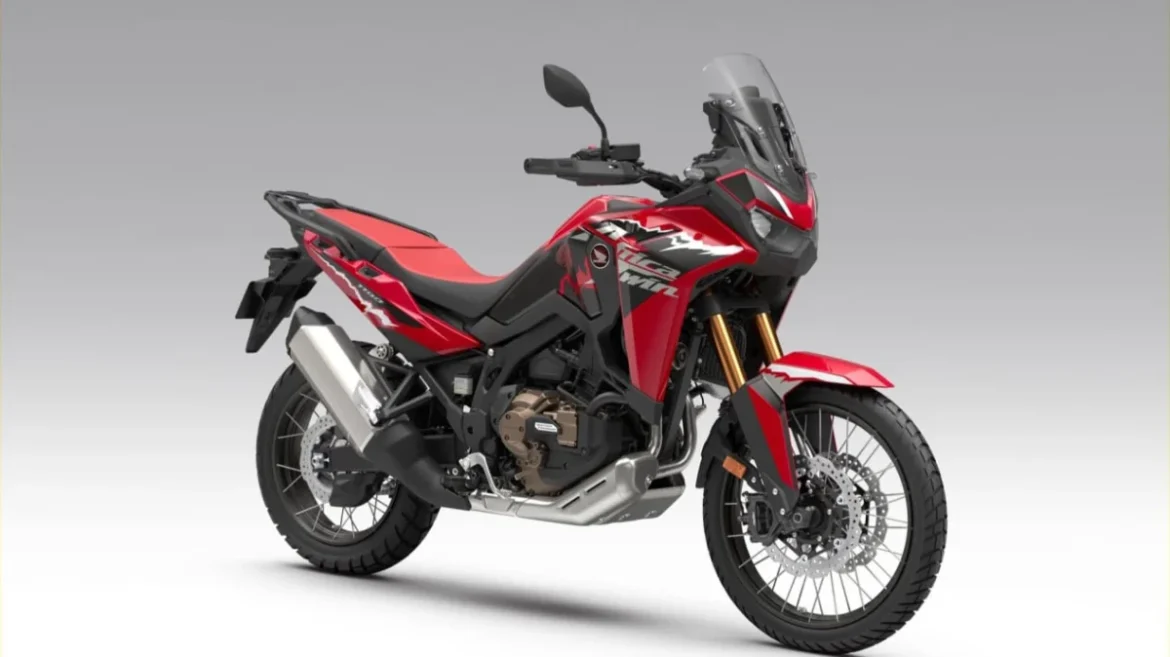
Jakarta – In a strategic move to maintain its competitive edge in the high-end adventure motorcycle market, PT Astra Honda Motor (AHM) has officially announced a comprehensive aesthetic update for its flagship long-distance tourer, the Honda CRF1100L Africa Twin. Revealed on Wednesday, September 30, 2026, the latest iteration of this formidable adventure machine focuses heavily on visual enhancements, introducing striking new color combinations, refined exterior graphics, and subtle structural color revisions that elevate its road presence while preserving its renowned mechanical prowess.
While the updates deliberately bypass the powertrain—leaving the proven engine architecture untouched—the visual transformation is designed to appeal to riders seeking a blend of rugged capability and sophisticated styling. By updating the color palette and streamlining the graphics, AHM aims to reinforce the Africa Twin’s identity as the definitive motorcycle for transcontinental journeys, weekend trail-riding, and conquering extreme multi-terrain landscapes.
Visual Evolution: Detailed Exterior Refinements Across Variants
The 2026 refresh brings distinct visual treatments to the various models within the Africa Twin lineup, ensuring that each variant carries a unique personality tailored to contemporary adventure motorcycle trends.
For the iconic Honda Tricolor variant, the most immediate and striking modifications are centered around the chassis and lower extremities. The front suspension forks and wheel rims now feature a luxurious gold finish, instantly elevating the bike’s premium aesthetic. Furthermore, the robust motorcycle frame, which was previously painted in a signature competition red, has been transitioned to a sleek, understated black. This darkening of the chassis creates a high-contrast backdrop that accentuates the gold components and the updated bodywork.
In addition to the frame and hardware updates, AHM’s design team has revised the graphic layout on the Honda Tricolor. The striping has been simplified, featuring cleaner lines across the body panels and the front headlight cowl. This minimalist approach reduces visual clutter, offering a more mature and modern look compared to previous model years.
Meanwhile, the Matt Ballistic Black Metallic variant receives a parallel structural treatment. The previously red frame on this darker model has likewise been swapped for a stealthy black finish. The accent graphics have also undergone a redesign; the former silver-and-red highlights have been replaced with a sophisticated gold colorway, lending the dark machine a subtle yet commanding aura of exclusivity.
Expanding the choices for consumers, AHM has introduced an entirely new color option to the lineup: Grand Prix Red. This vibrant addition pays homage to Honda’s rich racing heritage while injecting a heightened sense of sportiness into the adventure touring category. The brilliant red hue ensures high visibility on both asphalt and dirt trails, reinforcing the motorcycle’s dual-sport identity.
Marketing Strategy and Lifestyle Alignment
Speaking on the introduction of the refreshed adventure motorcycle, AHM Marketing Director Octavianus Dwi emphasized that the updates are a direct response to the evolving preferences of premium motorcycle consumers in Indonesia. According to Dwi, the Africa Twin is no longer viewed merely as a tool for transportation, but as an extension of the rider’s personal lifestyle and passion for exploration.
"The CRF1100L Africa Twin is specifically designed for consumers who view motorcycles as an integral part of their lifestyle and their profound love for adventure," Dwi stated in an official release issued on September 30, 2026. "Through this latest refresh in colors and graphics, we aim to provide an increasingly attractive array of options while maintaining the tough, unyielding character that defines the core identity of the Africa Twin."
This customer-centric approach reflects a broader trend within the global motorcycle industry, where manufacturers increasingly rely on annual aesthetic refreshes and specialized styling packages to keep flagship models fresh in the showroom without necessitating costly, ground-up mechanical redesigns. By offering fresh visual identities, brands can successfully capture the attention of collectors, adventure enthusiasts, and upgraders alike.
Uncompromised Engineering: Power and Performance
Beneath the newly minted exterior panels, the 2026 Honda CRF1100L Africa Twin retains the mechanical specifications that have earned it a loyal following among long-distance globetrotters and off-road purists alike.
At the heart of the machine lies a liquid-cooled, parallel-twin engine with a displacement of 1,084 cc. Featuring an SOHC 8-valve configuration, this power plant is engineered to deliver a broad, usable spread of power and torque across the entire rev range. The engine pumps out a maximum power output of 75 kilowatts (approximately 102 horsepower), paired with a muscular peak torque of 112 Newton-meters.
This performance profile provides the Africa Twin with the necessary grunt to cruise effortlessly at highway speeds fully loaded with luggage, while retaining the precise throttle control required to navigate tricky terrain, deep sand, and rocky mountain passes. The engine’s balance and tuning are optimized to minimize rider fatigue during extended hours in the saddle, a crucial factor for trans-continental expeditions.
Advanced Electronics and Rider Aids
To help harness its potent 1.084 cc engine, the Africa Twin is equipped with a comprehensive suite of electronic rider aids managed by a sophisticated Inertial Measurement Unit (IMU). The motorcycle features four default riding modes designed to optimize performance across varying conditions: Tour, Urban, Gravel, and Off-road.
- Tour Mode: Delivers maximum power and moderate engine braking for high-speed highway cruising and two-up touring.
- Urban Mode: Tailored for daily riding and city commuting, offering balanced power delivery and predictable throttle response.
- Gravel Mode: Provides a smooth, manageable power delivery coupled with higher levels of traction control and ABS intervention tailored for loose surfaces.
- Off-road Mode: Reduces rear-wheel spin and optimizes power delivery for dirt tracks, while still maintaining electronic safety nets.
In addition to these factory presets, Honda includes two fully customizable user modes, allowing experienced riders to fine-tune power delivery, engine braking, Honda Selectable Torque Control (HSTC), and wheelie control to match their exact riding style and surface conditions.
Market Implications and Pricing Context
The arrival of the refreshed Honda CRF1100L Africa Twin reinforces AHM’s commitment to catering to Indonesia’s growing premium big-bike segment. Priced competitively within the high-performance adventure touring category—traditionally hovering around the Rp 665 million mark—the Africa Twin competes directly with other European and Japanese heavyweight adventure motorcycles.
Industry analysts note that aesthetic updates play a vital role in sustaining consumer interest in high-value, low-volume models. Because motorcycles in the liter-class adventure segment are built to last for many years mechanically, updates to colors, graphics, and chassis finishes serve as an effective psychological and visual catalyst for sales. They allow current owners to admire newer iterations while giving prospective buyers a compelling reason to enter the market.
Furthermore, as domestic infrastructure improves and adventure tourism continues to gain traction across the Indonesian archipelago—from the winding roads of Sumatra to the rugged volcanic terrain of Flores and the highlands of Papua—demand for capable, high-displacement adventure machines remains steady. By keeping the Africa Twin visually modern and culturally aligned with adventure lifestyle trends, AHM ensures that its flagship tourer will remain a prominent fixture on both the highways and the dirt roads for years to come.