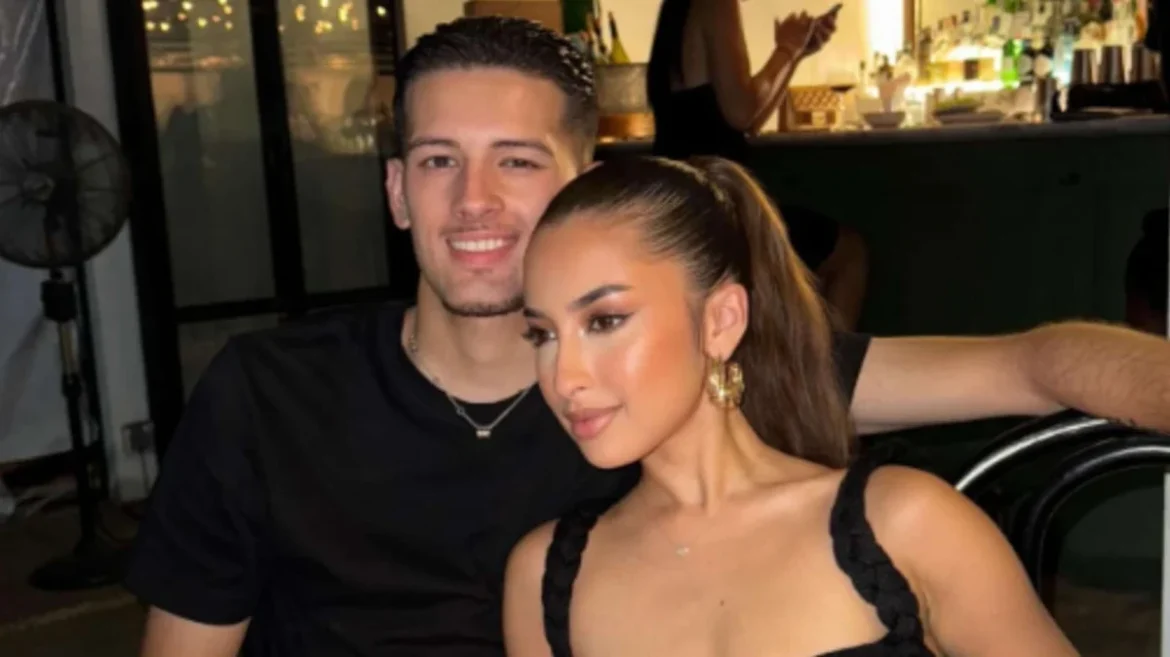
Jakarta, October 1, 2026 — The dynamic landscape of celebrity public relations and digital marketing found itself under intense scrutiny this week following a controversial promotional campaign involving prominent public figure Jennifer Coppen and her husband, professional football player Justin Hubner. Coppen publicly addressed and vehemently denied baseless rumors regarding an impending divorce that had circulated across various social media platforms. The false narratives, which quickly gained traction among digital audiences and caused widespread speculation about the stability of the young couple’s marriage, were ultimately traced back to a commercial brand that had previously collaborated with the celebrity.
The incident has reignited ongoing discussions within the Indonesian entertainment and digital media sectors regarding the ethical boundaries of influencer marketing, the exploitation of celebrity personal lives for commercial gain, and the legal and professional repercussions that companies face when crossing the line from creative advertising into deceptive sensationalism. Coppen’s swift and decisive response—choosing to terminate all current and future business ties with the offending enterprise—sets a notable precedent for how public figures can manage reputational crises and combat manipulative marketing strategies in the digital age.
Background Context: The Intersection of Celebrity Marriage and Digital Marketing
In contemporary digital ecosystems, public figures often navigate a delicate balance between maintaining a transparent public profile and protecting their private lives. Jennifer Coppen and Justin Hubner have frequently occupied headlines due to their high-profile status, combining the worlds of entertainment and elite sports. Hubner, recognized for his contributions as a defender for the Indonesian National Team, commands a dedicated following of sports enthusiasts, while Coppen maintains a massive, highly engaged audience across multiple social media platforms as an actress and content creator.
Because of their immense digital reach, the couple represents a lucrative demographic for lifestyle, fashion, and consumer brands seeking to maximize product visibility through influencer endorsements. However, the pressure to generate viral engagement has occasionally driven certain marketing agencies to employ aggressive tactics, including ambiguous storytelling, sensationalized hooks, and misleading narratives designed to provoke emotional responses from consumers. In this instance, the commercial strategy crossed ethical boundaries by weaponizing marital instability—a deeply sensitive personal matter—to capture user attention.
Chronology of Events and the Emergence of the Rumors
The controversy began in late September 2026, when several promotional pieces surfaced online, utilizing phrasing and thematic framing that falsely implied an imminent separation between Coppen and Hubner. Given the relatively recent nature of their marriage, the narrative immediately struck a chord with followers, prompting a wave of concern, inquiries, and speculative commentary across digital forums.
As the rumors escalated, Coppen took direct action to address the misinformation, expressing profound frustration over how her personal life had been exploited without her consent. During an interview with media outlet Intens Investigasi on Thursday, October 1, 2026, Coppen clarified that she had never made any statements regarding a divorce and condemned the brand’s creative direction for deliberately misleading the public.
"I deeply regret that this brand constructed a narrative as though I were going to divorce my husband. That was not the case at all. Consequently, I feel extremely angry and disappointed," Coppen stated during the interview.
Action Taken: Professional Blacklisting and Ethical Boundaries
Rather than allowing the speculation to diffuse naturally or engaging in a protracted legal dispute, Coppen opted for a swift, professional retaliation. Recognizing the commercial damage caused by the misleading campaign, she immediately severed all ties with the company responsible.
"I blocked them immediately and placed them on a blacklist. I will never work with them again," Coppen emphasized.
When questioned regarding potential legal avenues to address the misrepresentation, Coppen indicated that she preferred a pragmatic resolution over litigation. She noted that while she possessed valid grounds to pursue legal action for defamation or breach of professional trust, she chose to exercise restraint.
"No, I am still kind-hearted, so I will let it go. The most important thing is that this serves as a lesson, and I have blacklisted them. I hope the brand learns from this mistake," she remarked.
This calculated decision highlights an emerging trend among high-profile influencers who utilize economic leverage—specifically the refusal of future labor and partnership opportunities—as a primary deterrent against unethical promotional practices. By denying offending companies access to their audience equity, influencers can inflict substantial commercial penalties without incurring the financial and emotional costs of prolonged courtroom battles.
Broader Implications for the Influencer Marketing Industry
The incident involving Jennifer Coppen and Justin Hubner sheds light on systemic vulnerabilities within the modern digital advertising industry. As brands increasingly shift budgets away from traditional media and toward influencer-led campaigns, the demand for high engagement rates often incentivizes controversial or ambiguous content strategies designed to trigger algorithms and maximize click-through rates.
Industry analysts note that sensationalized marketing—often colloquially referred to as "clickbait advertising"—poses significant risks not only to the subjects of the narrative but also to the credibility of the brands themselves. When consumers discover that a commercial entity has manufactured false crises regarding personal relationships to sell products or services, brand loyalty can erode rapidly, leading to consumer boycotts and reputational damage.
Furthermore, legal experts suggest that while public figures possess robust mechanisms under defamation and privacy laws to challenge unauthorized exploitation of their likeness or personal narratives, the fast-paced nature of digital content often outpaces regulatory enforcement. Consequently, self-regulatory measures, such as stricter contract clauses governing narrative control and the implementation of immediate blacklisting protocols by top-tier influencers, have become vital tools for maintaining professional standards.
Maintaining Support Amid Personal Scrutiny
Despite the distraction caused by the fabricated controversy, Coppen maintained her focus on public commitments, demonstrating unwavering support for her husband’s athletic career. Following a closely watched match involving the Indonesian National Team, Coppen took to digital platforms to share her perspective on the team’s performance, balancing constructive athletic assessment with public encouragement.
While acknowledging that the match’s outcome did not meet the high expectations of supporters, Coppen underscored the importance of recognizing the dedication and strenuous effort exhibited by the players on the field.
"The match did not go as expected; we haven’t won yet, but they did a really good job—for my husband and the entire national team, especially Martin, who was brilliant today," Coppen expressed.
By publicly affirming her support for Hubner and his teammates, Coppen effectively redirected the conversation away from the manufactured tabloid drama and back toward professional sporting achievements, neutralizing the residual impact of the false rumors.
Analysis of Public Relations Management in the Digital Era
The resolution of this crisis offers several critical lessons for public relations practitioners, talent management agencies, and digital creators navigating the complexities of modern media.
First, proactive and transparent communication remains the most effective countermeasure against misinformation. By addressing the false narrative directly and authoritatively, Coppen preempted prolonged speculation that could have otherwise impacted her brand partnerships or personal peace of mind.
Second, the incident underscores the necessity for rigorous vetting processes in influencer marketing. Brands and creative agencies must establish clear ethical guidelines that respect the personal boundaries of public figures. Misleading consumers through fabricated domestic crises not only breaches the trust essential for successful commercial collaborations but also invites immediate, tangible professional consequences, as demonstrated by Coppen’s decision to sever ties permanently.
Finally, the resilience shown by Coppen in balancing personal grievance with public grace illustrates the sophisticated media literacy required of contemporary celebrities. By refusing to let sensationalism dictate her public narrative, she reinforced her authority over her own personal brand while setting a clear boundary for corporate accountability.
Conclusion
The controversy surrounding Jennifer Coppen and Justin Hubner serves as a watershed moment for ethical standards within digital advertising and influencer partnerships. Through her decisive action—blocking and blacklisting the responsible brand while maintaining public poise—Coppen demonstrated the power of economic and reputational deterrence against exploitative marketing practices. As the digital media landscape continues to evolve, the enforcement of strict professional boundaries will remain paramount in protecting the integrity of both public figures and the commercial enterprises that seek to engage with their audiences.