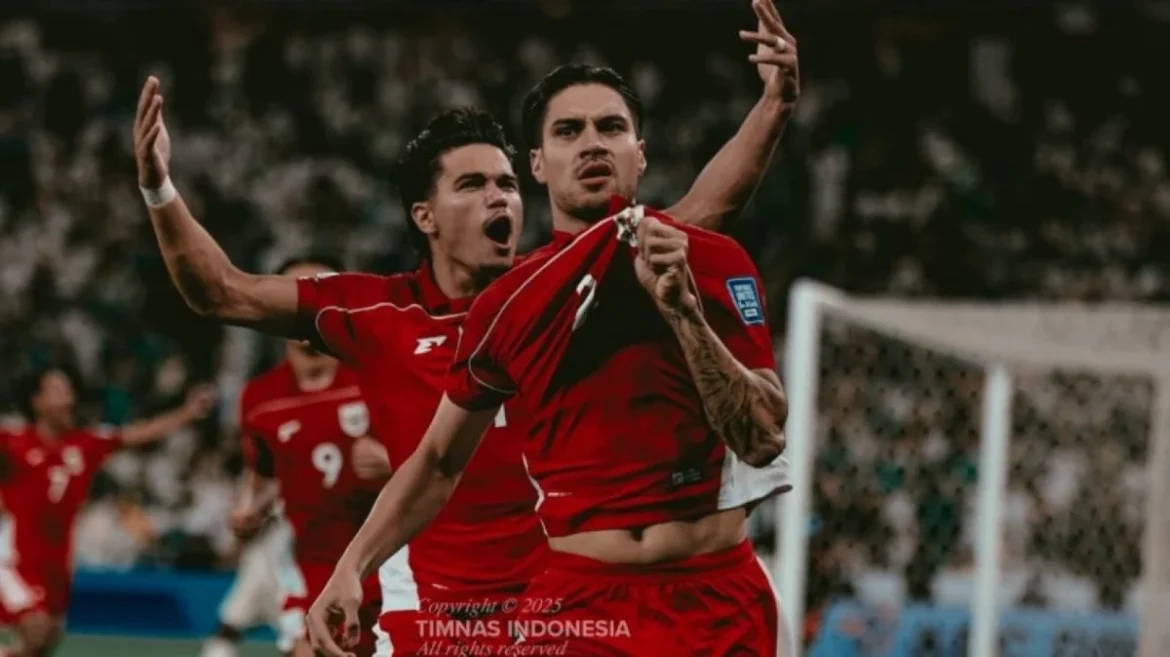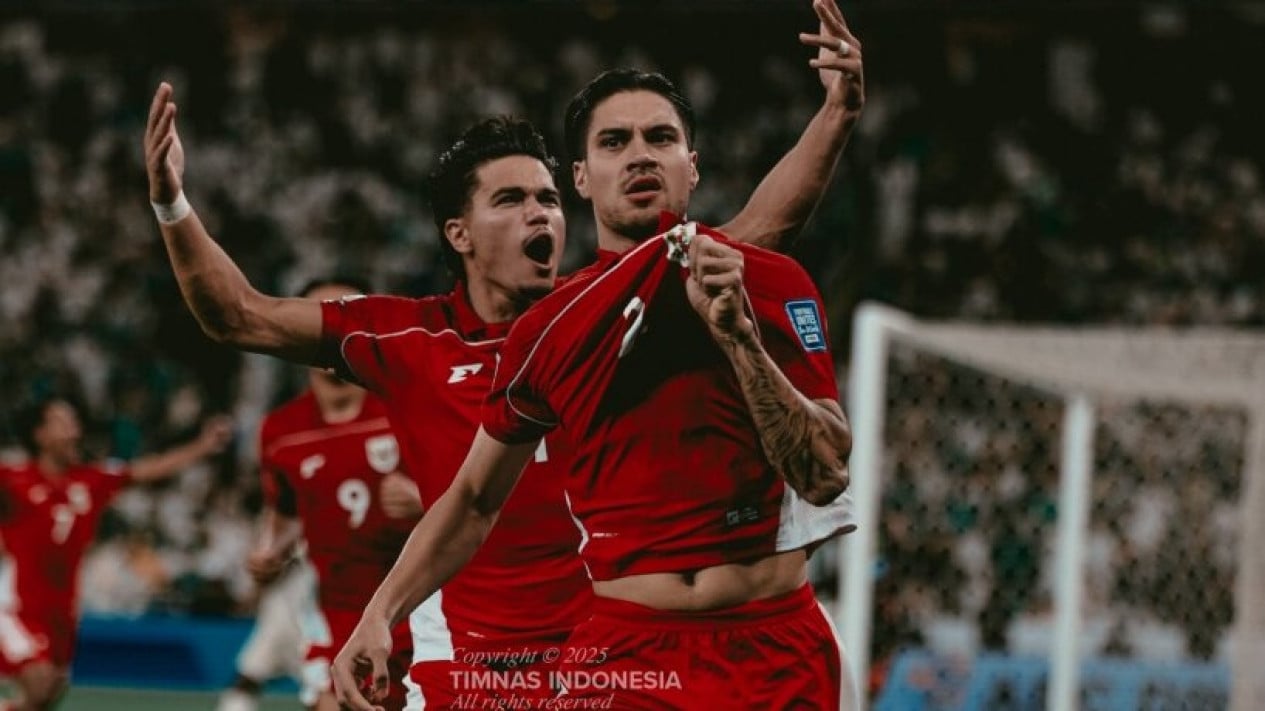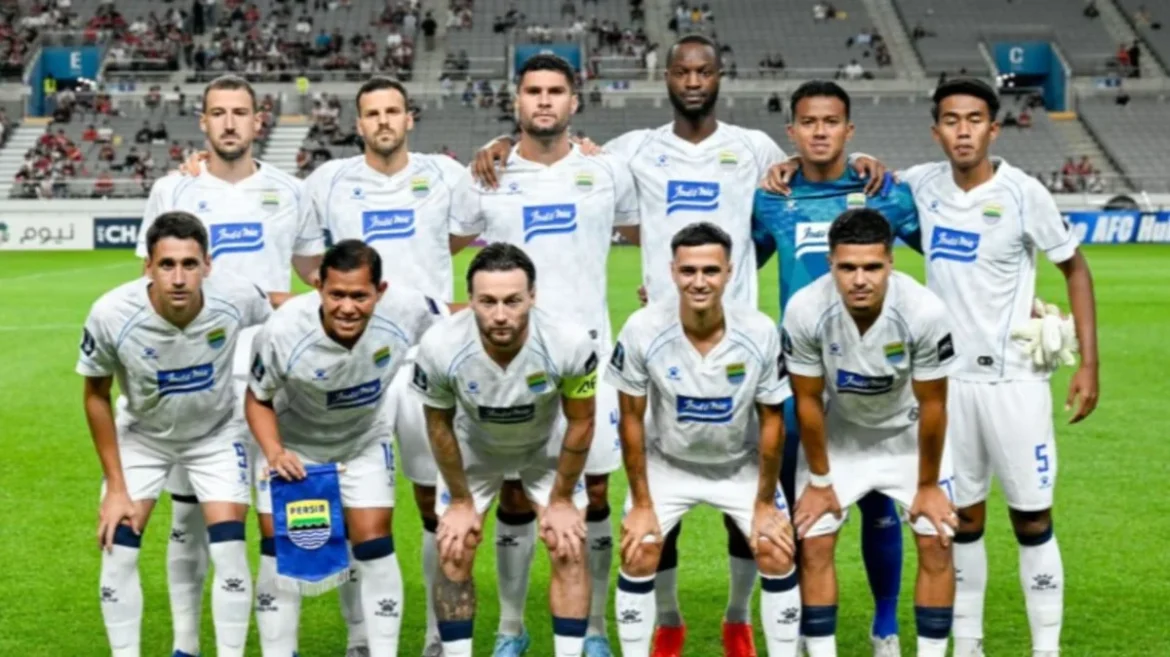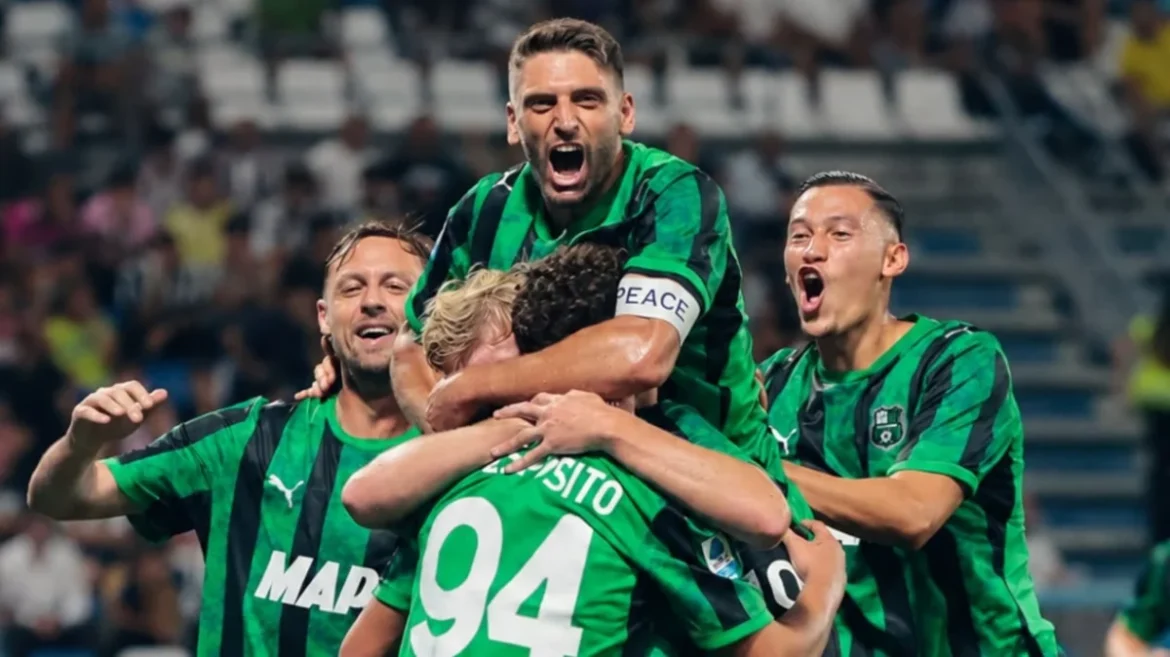
The ambitions of the Indonesian National Team, popularly known as the Skuad Garuda, have suffered a significant blow ahead of the prestigious regional tournament. Jay Idzes, the influential central defender and team captain, has been officially ruled out of the upcoming FIFA ASEAN Cup 2026. The 26-year-old stalwart sustained a moderate injury to the quadriceps muscle in his left leg while representing his Italian club, Sassuolo, in a high-intensity Serie A fixture against Juventus earlier this month.
The unfortunate setback not only sidelines one of Serie A’s notable Indonesian exports from club duties but also deprives the national team of its defensive anchor and primary leadership figure on the pitch. In light of his absence, the coaching staff has designated Kevin Diks to wear the captain’s armband for the duration of the FIFA ASEAN Cup 2026, placing immense responsibility on the shoulders of the seasoned utility player to guide the squad through the regional championship.
Chronology of the Injury and Medical Diagnosis
The incident leading to Idzes’s sidelines occurred on September 13, 2026, during Sassuolo’s grueling league encounter against Italian powerhouse Juventus. Idzes, who has steadily carved out a reputation for his defensive resilience and tactical intelligence in European football, put in a commendable shift before feeling a sharp pain in his left thigh near the end of the match. Recognizing the severity of the discomfort, he was forced to signal the bench and leave the field prematurely.
Subsequent medical examinations conducted by Sassuolo’s medical staff confirmed the worst fears. Scans revealed a moderate-grade strain in the quadriceps muscle of his left leg. While the injury did not require surgical intervention, the medical prognosis mandated a strict multi-week rehabilitation program to prevent any risk of chronic damage or re-injury.
Opting for a familiar and high-performance environment to oversee his recovery, Idzes traveled to the Netherlands rather than remaining entirely in Italy. He has since checked into Fysiomed Amsterdam, a premier elite rehabilitation, sports medicine, and physiotherapy facility renowned for conditioning top-tier professional athletes. Through his personal social media channels, specifically an Instagram Story update, Idzes offered fans a glimpse of his rigorous daily routine at the Amsterdam center, demonstrating his unwavering commitment to a full recovery.
Rehabilitation at Fysiomed Amsterdam and Player’s Resolve

Fysiomed Amsterdam is widely recognized within European athletic circles for its advanced approach to sports trauma, encompassing functional testing, biomechanical analysis, and targeted performance enhancement protocols. For a player of Idzes’s stature, utilizing such a specialized facility ensures that every aspect of his muscular recovery is monitored with precision.
Despite the physical distance from his teammates and the disappointment of missing a major international tournament, Idzes remains mentally resilient and deeply connected to the national setup. Speaking on his current status and future outlook, the defender emphasized that his immediate priority is absolute recovery.
"Current circumstances demand that my full attention be directed toward total rehabilitation and executing every possible measure to return in a far stronger and more prepared condition," Idzes stated.
He also took the opportunity to send a powerful message of encouragement to his international teammates as they prepare for the rigors of the FIFA ASEAN Cup 2026. Recognizing the collective strength of the squad, Idzes urged fans and players alike to maintain unity.
"Even though I cannot physically be present on the pitch, I will support the team at every single step of this journey. Let us unite as one, back the squad, and offer our collective encouragement. Wishing the boys the absolute best of luck. See you all very soon," he added.
Leadership Transition: Kevin Diks Steps Up
The absence of Jay Idzes leaves a massive void in the heart of Indonesia’s defense, both tactically and intangibly. Since securing his Indonesian citizenship through naturalization in 2024, Idzes has rapidly evolved into the bedrock of the national team’s backline. Over the span of his international career with the Skuad Garuda, he has accumulated 18 official caps and contributed one crucial goal, establishing himself as a fan favorite and a natural leader under head coach John Herdman.
With Idzes watching from the sidelines in Amsterdam, the leadership responsibility on the field has transitioned to Kevin Diks. Head coach John Herdman expressed confidence in Diks’s ability to shoulder the captaincy, noting that the team boasts a depth of character necessary to navigate major tournaments despite high-profile absences. Diks, known for his versatility, defensive discipline, and extensive European club experience, will now be tasked with organizing the defensive structure and marshaling the team’s morale throughout the FIFA ASEAN Cup 2026 campaign.

Broader Tactical Implications and Squad Depth for Indonesia
The loss of a player of Idzes’s caliber forces the technical staff to recalibrate their defensive strategies. Modern central defenders who possess the ball-playing composure and tactical awareness required in high-level competitions are rare commodities. Idzes’s ability to build attacks from the back, neutralize opposition transitions, and communicate effectively under pressure has been central to Indonesia’s recent tactical growth on the international stage.
Analysts point out that while the defensive partnership will require adjustments, the broader squad selected for the FIFA ASEAN Cup 2026 features a blend of emerging talent and experienced campaigners. Coach John Herdman, in recent statements regarding the tournament configuration, highlighted the structural differences between regional competitions like the traditional Piala AFF and the newly structured FIFA ASEAN Cup 2026, emphasizing the strategic rotation of players and the integration of fresh faces such as potential debutants.
The tournament presents an ultimate test of squad depth. Without their regular captain, players stepping into the starting eleven will need to perform at their absolute peak to maintain defensive solidity against formidable regional opponents such as Thailand, Vietnam, and Malaysia.
Looking Ahead: The Road to Recovery
For Sassuolo, the absence of Idzes during the early-to-mid autumn fixture list is equally challenging, as the Italian club relies heavily on his defensive consistency in Serie A. However, both club and country share a unified stance: rushing a player back from a quadriceps injury is counterproductive. The consensus among medical professionals is that a meticulous, step-by-step rehabilitation timeline at Fysiomed Amsterdam remains the safest path to safeguarding his long-term career.
As the FIFA ASEAN Cup 2026 kicks off, Indonesian supporters will undoubtedly miss the imposing presence of "Bangs Jay" marshalling the defence. Yet, the collective sentiment within the footballing community remains optimistic. With Kevin Diks wearing the armband and the team rallying around a shared sense of purpose, Indonesia aims to march forward in the tournament, paving the way for a triumphant return of their captain once his rehabilitation concludes and he is fully cleared for competitive action.