
Wednesday, July 22, 2026 – 17:45 WIB
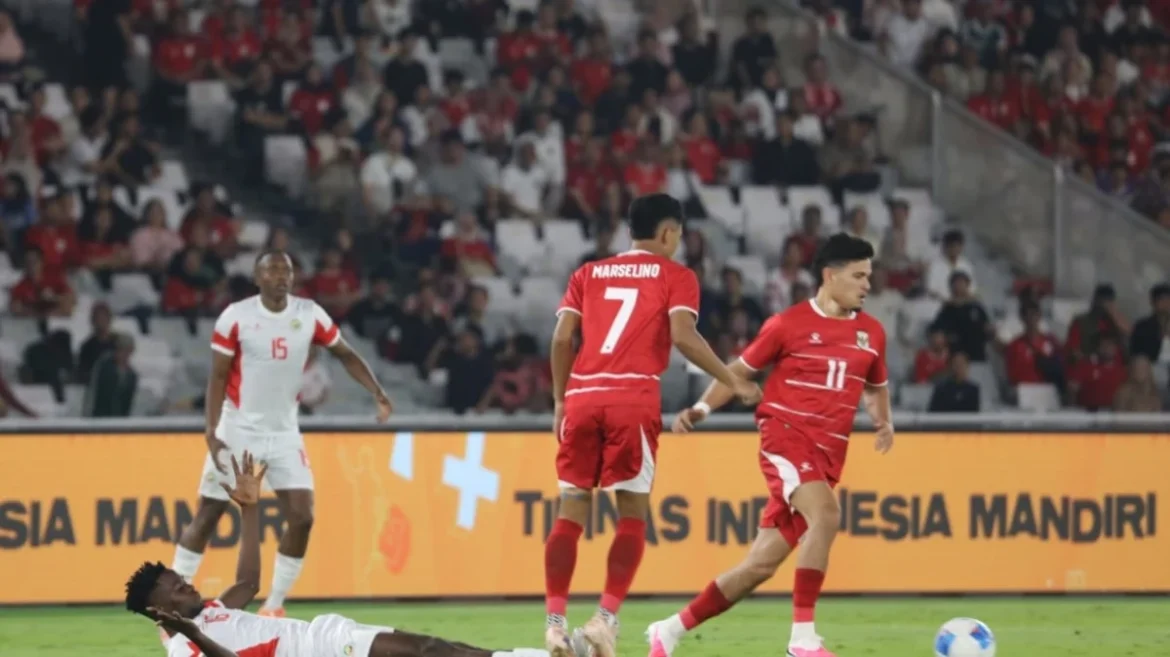
The Indonesian national football team, affectionately known as the Garuda squad, is currently under intense scrutiny from Vietnamese media as the highly anticipated AFF Cup 2026 draws nearer. In a surprising turn of events, Vietnamese sports publications have positioned the Garuda as the undisputed frontrunners to clinch the prestigious title of Southeast Asia’s premier football tournament. This assessment is particularly noteworthy given the formidable pedigrees of other perennial contenders. Vietnam enters the competition as the reigning champions, while Thailand boasts a rich history as the nation with the most AFF Cup titles.
Despite the established dominance of these regional powerhouses, Vietnamese outlet The Thao 247 has highlighted a confluence of factors that, in their analysis, place the Indonesian team ahead of their rivals. The report points to the significant investments made in Indonesian football over recent years as a crucial catalyst for the development of a squad characterized by both quality and depth. This strategic commitment, it is argued, is beginning to yield tangible results on the international stage.
The Thao 247 further suggests that the ambitious vision and unwavering determination of the Football Association of Indonesia (PSSI) are pivotal in elevating Indonesia’s status as a top contender. The current Indonesian squad represents a carefully curated blend of seasoned veterans, promising young talents, and a significant contingent of naturalized players. This dynamic mix is seen as fostering intense competition across all positions, thereby enhancing the overall strength and tactical flexibility of the team.
Key figures identified as integral to Indonesia’s formidable lineup include Marselino Ferdinan, Thom Haye, Marc Klok, Shayne Pattynama, and Egy Maulana Vikri. The presence of these players, according to the Vietnamese media’s assessment, imbues the Indonesian team with the competitive material necessary to vie for the championship trophy. A particularly insightful observation from The Thao 247 pertains to the Indonesian naturalized players who ply their trade in the domestic league. This situation is deemed advantageous for the coaching staff, allowing for direct monitoring of player performance and facilitating more intensive team-building and chemistry development.
"After multiple near misses in their pursuit of the Southeast Asian championship, Indonesia now possesses one of the strongest generations of players in its history," stated the report from The Thao 247. "The combination of high-quality naturalized players, promising young stars, and a fervent desire to win the title positions this island nation as a formidable contender in the 2026 AFF Cup."
The impending AFF Cup 2026, scheduled to take place from late July to August, presents a unique set of challenges for all participating nations, including Indonesia. Notably, the tournament’s timing does not align with FIFA international windows. This scheduling constraint means that national team managers will have limited access to players based overseas, potentially impacting team selection and preparation. For Indonesian head coach John Herdman, this presents a significant tactical puzzle as he works to forge a cohesive and formidable unit within a constrained preparation period.
A Deep Dive into the AFF Cup: History and Significance
The AFF Cup, formerly known as the Tiger Cup, is the biennial international men’s football championship contested by the national teams of the member nations of the ASEAN Football Federation (AFF). First held in 1996, the tournament has grown in stature and popularity, becoming a cornerstone of regional footballing pride and competition. Its significance extends beyond mere bragging rights, often serving as a crucial platform for player development, national team cohesion, and the broader promotion of football within Southeast Asia.
Over the years, the AFF Cup has witnessed the emergence of several dominant forces. Thailand, with six titles, stands as the most successful nation in the tournament’s history. Singapore follows closely with four championships, while Vietnam has secured the trophy twice, including their most recent victory in the 2022 edition. Indonesia, despite reaching the final on multiple occasions, has yet to lift the coveted trophy, making the 2026 edition a particularly poignant pursuit for the Garuda squad and their passionate fanbase.
The tournament’s format typically involves a group stage followed by a knockout phase, culminating in a two-legged final. The evolving nature of football in Southeast Asia, with increased investment in infrastructure, coaching, and player development, has led to a more competitive landscape. Nations like Malaysia, Myanmar, the Philippines, and Cambodia are increasingly challenging the traditional powerhouses, making each edition of the AFF Cup a compelling spectacle.
Indonesia’s Strategic Ascent: Investment and Naturalization
The recent surge in Indonesia’s footballing ambitions is not a mere coincidence but a product of deliberate strategic planning. In the years leading up to the 2026 AFF Cup, PSSI has embarked on an aggressive agenda focused on improving the quality of domestic leagues, investing in youth academies, and crucially, implementing a more robust naturalization program. This program has aimed to integrate talented players with Indonesian heritage or those who have demonstrated a strong commitment to representing the nation.
The impact of naturalized players has been evident. The presence of individuals like Thom Haye, Marc Klok, and Shayne Pattynama has undeniably bolstered the midfield and defensive capabilities of the Indonesian squad. These players, often possessing experience from playing in European leagues, bring a different level of tactical awareness, physical prowess, and technical skill to the team. Their integration, while sometimes a subject of debate, is viewed by many as a pragmatic approach to bridging the gap with established regional giants and achieving long-held aspirations of continental success.
Furthermore, the nurturing of young talent has been a parallel priority. Players like Marselino Ferdinan and Egy Maulana Vikri represent the next generation of Indonesian football stars. Their development has been fostered through consistent opportunities in the national team setup and exposure to international competitions. This blend of experienced naturalized players and homegrown prodigies creates a compelling narrative of a team on the rise, capable of challenging for major honors.
The Herdman Factor: Tactical Acumen and Team Cohesion
The appointment of John Herdman as the head coach of the Indonesian national team marked a significant moment in the nation’s footballing journey. Herdman, a highly respected tactician, has a proven track record of success, most notably with the Canadian men’s national team, whom he guided to their first World Cup appearance in 36 years in 2022. His arrival in Indonesia signaled a clear intent to elevate the team’s performance to new heights.
Herdman’s coaching philosophy is often characterized by a focus on building strong team cohesion, implementing an aggressive and possession-based style of play, and fostering a winning mentality. The challenge he faces with the AFF Cup 2026 is the limited time available for preparation. Unlike tournaments that fall within FIFA international windows, the current schedule necessitates intensive training camps and strategic planning to maximize the team’s readiness.
The issue of player availability due to the non-FIFA Matchday scheduling is a critical consideration. While Herdman can rely on a core group of players based in Indonesia, securing the participation of key players based in European leagues or other international competitions might prove challenging. This necessitates a deeper squad and a flexible tactical approach, capable of adapting to different personnel combinations. The Vietnamese media’s acknowledgment of the importance of "team chemistry" underscores Herdman’s pivotal role in knitting together a diverse group of players into a cohesive and effective unit.
Data-Driven Analysis: Potential Strengths and Challenges
While specific statistical data for the upcoming AFF Cup 2026 is not yet available, an analysis of Indonesia’s recent performance and player profiles offers insights into their potential strengths and weaknesses. In recent World Cup qualifiers, the Indonesian team has demonstrated improved defensive organization and an increasing ability to create scoring opportunities. The midfield, bolstered by players like Thom Haye and Marc Klok, has shown promise in controlling possession and dictating the tempo of the game.
The attacking prowess of players like Marselino Ferdinan, with his dribbling ability and eye for goal, provides a critical offensive threat. However, consistency in finishing and converting chances into goals has been an area that has historically troubled the Garuda. The team’s ability to adapt to different defensive strategies employed by opponents will be crucial.
The AFF Cup is renowned for its physical and often intense matches. Indonesia’s physical conditioning and ability to withstand the pressure of knockout football will be tested. The experience of their naturalized players in more competitive leagues abroad could provide a vital edge in this regard.
Broader Implications: A Region in Flux
The Vietnamese media’s projection of Indonesia as the favorite carries significant implications for the regional football landscape. It signals a potential shift in the established hierarchy, suggesting that the long-standing dominance of Thailand and Vietnam might be challenged by a resurgent Indonesian side. This heightened competition can only serve to elevate the standard of football in Southeast Asia.
For PSSI, this external validation, while not a guarantee of success, serves as a powerful motivator. It underscores the progress made and reinforces the belief that their strategic investments are paying dividends. The pressure, however, will be immense. Expectations will be sky-high, and any faltering performance could lead to significant criticism.
From a broader perspective, a strong Indonesian performance in the AFF Cup 2026 could have a ripple effect across Southeast Asian football. It might inspire other nations to adopt similar development strategies, leading to a more competitive and exciting regional tournament in the future. The AFF Cup 2026 promises to be a captivating affair, with Indonesia now firmly in the spotlight, carrying the hopes of a nation and the attention of their regional rivals. The journey to the final will undoubtedly be a test of skill, strategy, and sheer determination for the Garuda squad.
