AMMAN — In one of the deadliest sectarian-linked assaults in modern Jordanian history, a heavily armed terrorist cell opened fire on a Greek Orthodox church in the country’s southern region, resulting in a devastating loss of life. The horrific incident, which unfolded on Friday afternoon, has sent shockwaves through the Hashemite Kingdom, drawing widespread international condemnation and plunging the local community into profound mourning. Jordanian health authorities confirmed that by Sunday, the death toll had climbed to nine victims, with an additional 25 individuals sustaining injuries of varying degrees, many requiring intensive medical intervention.
The assault targeted the historic Saint George Greek Orthodox Church located in the rural village of Al-Hammoud, within the Karak Governorate. The picturesque southern province, typically known for its rich history and peaceful coexistence between Muslim and Christian communities, became the epicenter of an unprecedented tragedy as automatic gunfire shattered the solemnity of a Christian funeral service.
Escalating Death Toll and Current Medical Status
The severity of the violence became increasingly apparent over the weekend as medical professionals fought desperately to save the lives of the critically wounded. Initially, immediate reports from the scene indicated that seven individuals had perished instantly when the gunmen stormed the church courtyard. However, the situation deteriorated further as two of the most critically injured parishioners succumbed to their extensive trauma while undergoing emergency surgery.
Jordanian Minister of Health, Ibrahim al-Bdour, provided an official update to international news agencies on Saturday, confirming the revised casualty figures. "The number of fatalities resulting from this abhorrent terrorist attack on the church in the village of Al-Hammoud, Karak, has sadly increased to nine," al-Bdour stated. He further elaborated that of the 25 wounded individuals currently receiving specialized care in regional medical facilities, several remain under close observation in intensive care units due to the life-threatening nature of their injuries.
Local hospitals in Karak, alongside specialized medical centers in Amman, were placed on maximum alert immediately following the incident, mobilizing blood drives and calling in off-duty surgical teams to cope with the sudden influx of trauma patients.
Chronology of the Attack: A Detailed Timeline
Investigative authorities and closed-circuit television (CCTV) footage recovered from the vicinity have pieced together a harrowing timeline of the events that transpired on Friday, October 25, 2026.
Early Afternoon: Community Gathering
At approximately 2:00 PM local time, dozens of mourners gathered within the compound of the Saint George Greek Orthodox Church in Al-Hammoud. Family members, friends, and community leaders had assembled to pay their final respects during a traditional funeral procession for a respected local resident. The atmosphere was somber and peaceful, with attendees gathered both inside the main sanctuary and in the surrounding outdoor courtyard.
The Assault Begins
At roughly 3:30 PM, the peaceful proceedings were abruptly shattered. According to eyewitness accounts and security recordings, three armed assailants arrived at the church premises. Dressed in tactical or concealing garments and heavily armed with automatic weapons, the perpetrators bypassed initial perimeter checks and breached the church gates.
Indiscriminate Firing
Without issuing demands or making ideological statements at the scene, the gunmen immediately opened indiscriminate fire into the crowd of unarmed mourners. The element of complete surprise contributed heavily to the high casualty count, as attendees had no immediate cover or time to react. The barrage of gunfire lasted for several agonizing minutes before the attackers fled the immediate vicinity on foot or via a waiting getaway vehicle.
Security Lockdown and Response
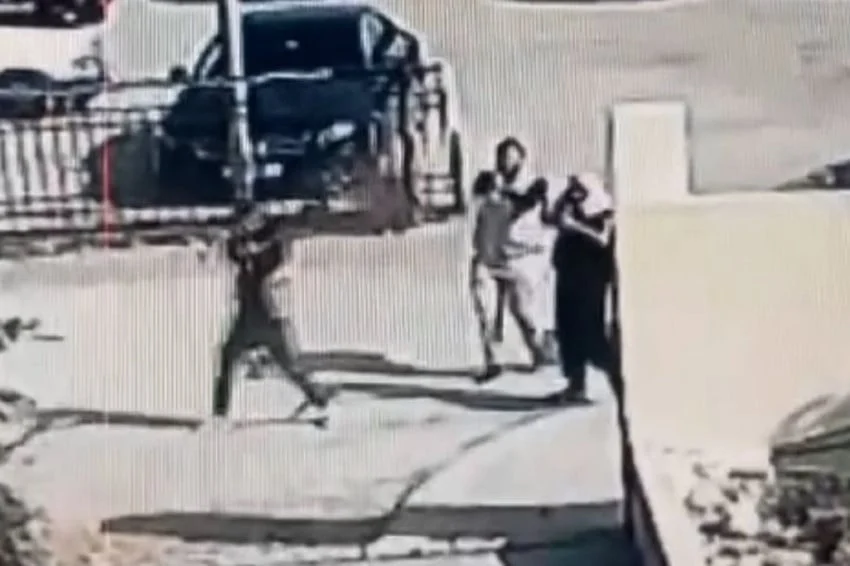
Within minutes of the first emergency calls, local law enforcement units and gendarmerie forces dispatched rapid-response teams to Al-Hammoud. The area was immediately cordoned off, and a massive manhunt was initiated across the rugged terrain of the Karak Governorate. Intelligence units quickly secured CCTV footage, which subsequently leaked to media outlets, showing the calculated movements of the three gunmen during the opening moments of the onslaught.
Government and Official Response
The Government of Jordan moved swiftly to classify the incident as a premeditated act of terror orchestrated by an organized underground network. High-ranking security officials convened emergency sessions in Amman to assess the security ramifications and coordinate the manhunt for the perpetrators.
King Abdullah II, deeply shaken by the violence, issued a strongly worded condemnation of the attack, emphasizing that national unity and the protection of all citizens, regardless of religious affiliation, remain paramount. Palace statements underscored that Jordan’s security apparatus would spare no effort in hunting down every individual connected to the cell, bringing them swiftly to justice.
Interior Ministry officials echoed these sentiments, releasing preliminary findings that categorized the attackers as part of a fringe extremist cell aiming to stoke sectarian tensions within the Kingdom. While Jordan has historically maintained a reputation as an island of stability in a volatile Middle East, the kingdom has periodically faced threats from radicalized elements inspired by extremist ideologies.
The Ministry of Awqaf and Islamic Affairs, alongside prominent Muslim religious leaders throughout Jordan, issued immediate statements denouncing the bloodshed. Religious authorities stressed that targeting a house of worship violates every moral, ethical, and Islamic tenet, firmly rejecting any attempt by extremist factions to fracture the harmonious coexistence that has long characterized Jordanian society.
International Condemnation and Solidarity
The massacre at Saint George Church drew swift and unequivocal condemnation from global leaders, international organizations, and religious bodies worldwide. Embassies in Amman, including those of Western and regional partners, released statements expressing deep sorrow and offering full intelligence and logistical support to the Jordanian government in its counter-terrorism operations.
The Vatican conveyed a message of profound grief from the Holy Father, offering prayers for the deceased and calling for an end to violence directed against Christian minorities in the Middle East. Similar statements poured in from the Patriarchate of Constantinople, emphasizing the historical roots and enduring presence of Orthodox Christians in the region.
Human rights organizations also weighed in, calling for a transparent investigation and enhanced security measures around minority religious sites throughout the Levant to prevent copycat incidents.
Socio-Political Implications and Security Analysis
Security analysts and Middle East experts view the Karak church shooting not merely as an isolated criminal act, but as a calculated provocation designed to test the resilience of the Jordanian social fabric.
Historically, Jordan has prided itself on its model of peaceful coexistence between the Muslim majority and the indigenous Christian minority, who occupy prominent positions within the country’s political, economic, and cultural spheres. Acts of targeted violence against churches are exceedingly rare within the Kingdom, making Friday’s assault a deeply traumatic jolt to the national consciousness.
The choice of Karak as the location for the attack carries strategic and symbolic weight. Located approximately 140 kilometers south of Amman, the governorate has occasionally surfaced in past security incidents, most notably during the 2016 Karak clashes, where militants targeted security forces and a historic crusader castle. The rugged geography of the southern region provides potential hideouts for underground cells attempting to evade state surveillance.
Experts suggest that the primary objective of such extremist groups is twofold: to destabilize the Hashemite regime by manufacturing internal strife, and to project relevance through high-profile acts of terror. However, political analysts widely agree that rather than dividing the population, the tragedy is likely to galvanize national solidarity, reinforcing public support for state security forces and cementing the collective resolve to safeguard the nation’s pluralistic identity.
Moving Forward: Security Overhauls and Community Healing
As the community of Al-Hammoud prepares to lay the remaining victims to rest, local authorities are implementing heightened security protocols across all Christian places of worship nationwide. Police patrols have been intensified around churches, monasteries, and community centers, particularly ahead of upcoming religious holidays.
Simultaneously, civil society groups and interfaith councils in Amman and Karak have organized vigils and solidarity gatherings, bringing together Muslim and Christian leaders to reaffirm their shared commitment to peace and mutual respect.
The investigation remains active and fluid. Jordanian intelligence and counter-terrorism units are currently pursuing multiple leads to uncover the wider network supporting the three gunmen, determine their exact ideological affiliation, and ensure that every accomplice faces the full weight of the law. The coming days will be critical as Jordan navigates the aftermath of this tragedy, balancing the immediate demands of justice with the enduring imperative of national unity.