
Saturday, July 18, 2026 – 17:05 WIB
The allure of gold as a stable investment often captivates individuals, particularly during periods of sustained price appreciation. Many seize these moments, liquidating long-held gold assets in anticipation of substantial profits. However, a common experience that often startles investors is the stark reality that the buyback, or resale, price offered for their gold is invariably lower than the initial purchase price. This phenomenon frequently sparks questions: Why is the selling price of gold consistently lower? Does this inherent discrepancy undermine the profitability of gold as an investment?
Far from being a flaw, the differential between gold’s buying and selling prices is a well-established and essential mechanism within the intricate ecosystem of precious metals trading. A thorough understanding of its underlying causes is paramount for investors to formulate robust strategies, optimize their portfolio, and ascertain the most opportune time for liquidation. This article delves into the multifaceted reasons behind this common observation, offering insights derived from industry practices and economic principles.
The Enduring Appeal of Gold Investment: A Historical Context
Gold has historically served as a cornerstone of wealth preservation and a symbol of stability across civilizations. Its intrinsic value, scarcity, and resistance to corrosion have cemented its role as a reliable store of value for millennia. In modern financial markets, gold is revered as a safe-haven asset, frequently sought after during times of economic uncertainty, geopolitical instability, or inflationary pressures. Investors turn to gold as a hedge against currency devaluation and stock market volatility, incorporating it into diversified portfolios to mitigate overall risk.
The global gold market is a complex web involving mining operations, refiners, central banks, institutional investors, and a vast network of retail dealers. Major benchmarks like the LBMA Gold Price (formerly the London Gold Fix) and COMEX futures contracts dictate international spot prices, which then ripple down to influence local market rates. This robust global infrastructure facilitates the continuous trading of gold, making it a highly liquid asset under normal market conditions. However, even within such a sophisticated system, the operational costs and risks inherent in trading physical commodities give rise to the observed price spread.
Deconstructing the "Spread": Why Buyback Prices Differ
The core reason for the disparity between gold’s purchase and buyback prices lies in what is commonly referred to as the "spread." This spread is not arbitrary but rather a calculated reflection of various factors that ensure the viability and sustainability of the precious metals trading business. Here are the primary components contributing to this differential:
1. The Cost of Doing Business: Production, Certification, and Distribution
When an investor acquires gold, the price paid encompasses far more than just the raw material’s intrinsic value. It includes a comprehensive array of operational costs incurred throughout the gold’s journey from mine to market. These components are integrated into the initial retail price but are largely excluded from the buyback price, leading to the observed differential.
- Production and Fabrication Costs: The journey of gold begins with mining, followed by extensive refining processes to achieve the desired purity (e.g., 99.99% or 24-karat). Subsequently, the refined gold is fabricated into various forms such as bullion bars, coins, or jewelry. Each stage involves significant operational expenditures, including labor, energy, specialized machinery, and overheads. For instance, minting a gold coin or casting a specific weight bar requires precision engineering and specific molds, adding to the per-unit cost.
- Certification and Assaying: To guarantee authenticity and purity, investment-grade gold often undergoes rigorous assaying and certification by reputable institutions. Organizations like the London Bullion Market Association (LBMA) set stringent "Good Delivery" standards for gold bars, ensuring their acceptance globally. The cost of these verification processes, including the creation of tamper-proof packaging and official certificates, is factored into the initial selling price. When gold is sold back, especially without original packaging or an intact certificate, dealers may need to re-verify its authenticity, a cost that is either passed on to the seller through a lower buyback price or absorbed by the dealer as a risk.
- Logistics, Storage, and Insurance: Transporting precious metals involves specialized secure logistics, insurance against theft or damage, and secure storage facilities. These are substantial ongoing costs for dealers, ensuring the integrity and safety of their inventory. These costs are amortized across the units sold, contributing to the initial retail price.
- Dealer’s Overhead and Profit Margin: Like any commercial enterprise, gold dealers operate with overheads such as rent, utilities, staff salaries, marketing, and regulatory compliance. The initial selling price includes a margin to cover these operational costs and generate a reasonable profit, without which the business would not be sustainable. When gold is bought back, the dealer is effectively restocking inventory at a wholesale rate, which is inherently lower than the retail selling price.
As a representative from a leading bullion dealer explained, "The initial purchase price encapsulates a comprehensive cost structure, from the moment gold is extracted from the earth to when it sits in a customer’s hand, certified and secured. When we buy back, we are essentially acquiring raw material for our inventory, which naturally doesn’t carry the same retail-specific cost burden." This explains why selling gold immediately after purchase will almost certainly result in a loss, as the embedded costs in the retail price have not been offset by market appreciation.
2. Mitigating Market Volatility: Risk Premium in Buyback Pricing
The price of gold is not static; it is a dynamic asset influenced by a confluence of global economic and geopolitical factors. These fluctuations introduce an element of risk for dealers who purchase gold back from customers. To safeguard against potential losses from adverse price movements, dealers incorporate a risk premium into their buyback pricing.
- Global Economic Indicators: Gold prices are highly sensitive to macroeconomic data, including inflation rates, interest rate decisions by central banks (such as the U.S. Federal Reserve), GDP growth figures, and employment reports. For instance, higher interest rates often make non-yielding assets like gold less attractive, potentially driving down its price. Conversely, rising inflation often boosts gold’s appeal as a hedge, pushing prices higher.
- Geopolitical Events: Global political instability, conflicts, trade wars, and even major elections can trigger rapid shifts in investor sentiment, leading to sharp movements in gold prices. The uncertainty created by such events often sees investors flocking to safe havens, temporarily inflating gold’s value.
- Currency Fluctuations: As gold is primarily priced in U.S. dollars, the strength or weakness of the dollar significantly impacts its price for holders of other currencies. A stronger dollar makes gold more expensive for international buyers, potentially reducing demand and lowering prices.
- Anticipation of Price Drops: A dealer buying back gold today faces the possibility that the market price could drop by tomorrow, or even within hours, before they can resell it or use it for other purposes. To hedge against this inherent market risk, they establish a buyback price that is sufficiently below the current spot market price. This buffer provides a margin of safety, allowing the dealer to absorb minor market corrections without incurring a loss.
Economists emphasize that "the spread acts as a necessary risk management tool for dealers operating in a volatile commodity market. It’s an essential buffer against the unpredictable shifts driven by global news cycles and economic data releases." This inherent risk explains why the buyback price offered to a consumer can never precisely match the current market’s selling price to another consumer.
3. The Tangible Factor: Condition and Authenticity of Physical Gold
Unlike digital assets or equities, physical gold’s value is also inextricably linked to its physical condition and verifiable authenticity. These tangible attributes play a crucial role in determining its resale value.
- Original Packaging and Certification: Investment-grade gold, particularly bullion bars and coins, often comes in tamper-evident packaging and with official certificates of authenticity from the mint or refiner. This packaging and documentation provide immediate assurance of the gold’s purity, weight, and provenance. Gold that retains its original, untampered packaging and accompanying certificate is significantly easier for dealers to resell and typically fetches a better buyback price.
- Physical Damage and Wear: Scratches, dents, tarnishing, or any form of physical damage can diminish the aesthetic appeal and perceived value of gold, especially for collectible coins or smaller bars. While the intrinsic gold content remains the same, a damaged item might require re-refining or incur additional handling costs, which will be reflected in a lower buyback offer.
- Re-assaying Costs: If gold is presented without its original certificate, or if the packaging is compromised, dealers might need to conduct their own assaying to verify its purity and weight. This process involves time, specialized equipment, and skilled personnel, and the associated costs are naturally factored into a reduced buyback price.
- Distinction Between Bullion and Jewelry: It’s important to distinguish between investment-grade bullion (bars and coins primarily valued for their metal content) and gold jewelry. Jewelry often contains alloys, intricate designs, and craftsmanship, which contribute to its initial retail price. However, when selling jewelry, dealers typically value it based solely on its melt value—the weight of its pure gold content—minus any refining costs. The artistic value or brand premium of jewelry is rarely recuperated in a buyback scenario, leading to a much larger spread compared to bullion.
An expert in precious metals appraisal noted, "Maintaining the pristine condition and original documentation of your gold is paramount. A well-preserved, certified piece of bullion minimizes the dealer’s risk and processing effort, translating directly into a more favorable buyback offer for the seller."
The Investor’s Perspective: Navigating the Spread for Optimal Returns
Understanding the spread is not merely an academic exercise; it has profound implications for how investors approach gold. The inherent price difference dictates that gold is generally not a suitable asset for short-term speculative trading.
Short-Term vs. Long-Term Investment Strategy
- Short-Term Limitations: For an investor to profit from selling gold, its market price must appreciate sufficiently to cover the initial spread, plus any transaction fees. In the short term, this appreciation is often insufficient, meaning immediate resale would result in a loss. This characteristic firmly positions physical gold as a long-term investment.
- Long-Term Potential: Over extended periods (typically several years or more), gold prices have historically shown a tendency to rise, driven by global economic growth, inflation, and increasing demand. This long-term appreciation allows the asset’s value to surpass the initial spread, generating profit for the patient investor. Financial advisors often recommend a minimum holding period of 3 to 5 years for gold investments to allow sufficient time for market appreciation to overcome the spread and yield positive returns.
Calculating Break-Even Points
Savvy investors should calculate their effective break-even point. This involves determining how much the gold price needs to increase from their purchase price for them to cover the initial spread and realize a profit. For example, if a dealer has a 5% spread (meaning they buy back at 5% below their selling price), the gold’s market value would need to increase by more than 5% for the investor to break even, excluding any other transaction costs.
Choosing the Right Product and Selling Strategies
- Product Selection: Investors should consider the type of gold product. Large bullion bars (e.g., 1kg or 100g) generally have tighter spreads (lower percentage difference) than smaller bars or coins due to economies of scale in production and handling. Gold ETFs or digital gold platforms might offer different fee structures and liquidity, potentially reducing physical handling costs but introducing other types of fees.
- Monitoring Market Trends: Timing the sale is crucial. Investors should monitor global economic indicators, geopolitical developments, and gold price charts to identify periods of peak demand or significant price increases.
- Comparing Buyback Offers: Before selling, it is prudent to solicit buyback quotes from multiple reputable dealers. Different dealers may have slightly varying spreads based on their operational costs, inventory needs, and market outlook.
- Preserving Documentation: Always retain original receipts, certificates of authenticity, and ensure the physical gold remains in its original, untampered packaging if applicable. This significantly streamlines the buyback process and often results in a better offer.
Global Market Dynamics and Local Specifics
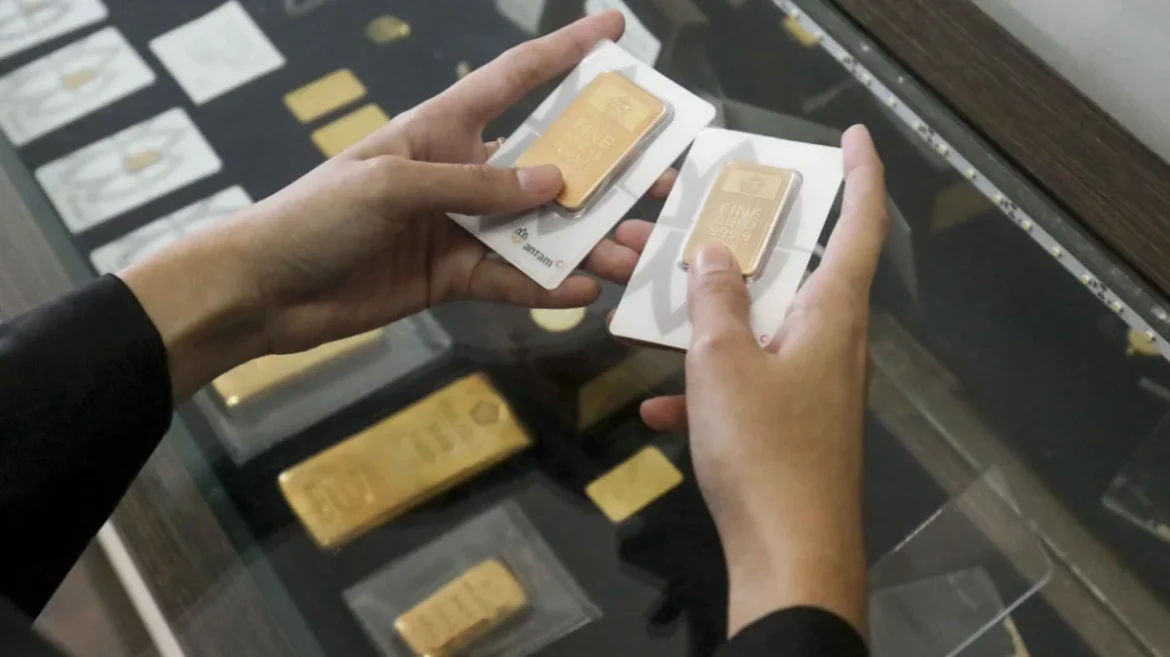
While international benchmarks dictate the broader trend, local market dynamics can introduce further nuances to gold pricing. In regions like Indonesia, institutions such as Pegadaian (a state-owned pawn shop) and official distributors like PT Antam play significant roles in the gold market. They set their buy and sell prices based on global spot prices, but also factor in local demand and supply conditions, currency exchange rates (e.g., IDR to USD), and their own operational overheads specific to the local regulatory environment.
For instance, a strong local demand for gold might slightly narrow the spread, while a sudden influx of sellers could widen it as dealers adjust to manage their inventory. The exchange rate of the local currency against the U.S. dollar is a critical component, as a weakening local currency can make dollar-denominated gold more expensive to purchase locally, potentially affecting both buy and sell prices.
Expert Insights and Recommendations
Financial experts consistently underscore the importance of education for gold investors:
"For novice investors, understanding the inherent spread is crucial to setting realistic expectations," states a prominent financial advisor. "Gold is a strategic long-term asset, primarily for wealth preservation and portfolio diversification, not a quick speculative play. Patience is your most valuable asset when investing in physical gold."
A market analyst further elaborates, "While the spread might initially seem like a deterrent, it’s a standard operational cost in the precious metals industry. Investors should focus on the underlying fundamentals driving gold’s value over time – its role as an inflation hedge, its safe-haven status during crises, and its finite supply."
Consumer advocacy groups advise, "Always inquire about both the purchase price and the current buyback price before committing to an investment. Transparency from dealers is key, allowing investors to make fully informed decisions and avoid surprises when it’s time to sell."
The Future of Gold Investment: Trends and Outlook
The landscape of gold investment is continually evolving. The emergence of digital gold platforms and blockchain-backed gold tokens aims to reduce some of the traditional costs associated with physical gold, potentially narrowing the spread. These platforms often facilitate fractional ownership and easier trading, though they introduce their own set of fees and regulatory considerations. Despite these innovations, physical gold, with its tangible security, is expected to retain its fundamental appeal.
Looking ahead to 2026 and beyond, gold’s role as an investment is likely to remain significant amidst ongoing global economic shifts. Concerns about persistent inflation, potential geopolitical realignments, and the evolving monetary policies of major central banks will continue to influence its price trajectory. Investors who adopt a long-term perspective and understand the intrinsic mechanics of the market, including the buyback spread, will be best positioned to leverage gold’s unique attributes within their investment portfolios.
Conclusion
The phenomenon of gold’s buyback price being lower than its purchase price is not an indication of a flawed investment but rather a reflection of the intricate and costly processes involved in the precious metals market. The spread accounts for production, certification, distribution, and storage expenses, as well as the inherent risks associated with market volatility and the physical condition of the asset.
By grasping these fundamental principles, investors can approach gold with informed expectations. A long-term investment horizon, diligent research into dealer reputations and pricing, meticulous preservation of the gold’s physical integrity, and careful monitoring of market conditions are all crucial steps. Ultimately, understanding the reasons behind the gold buyback spread empowers investors to make more strategic decisions, ensuring that their journey with this timeless asset is both rewarding and financially sound.
