
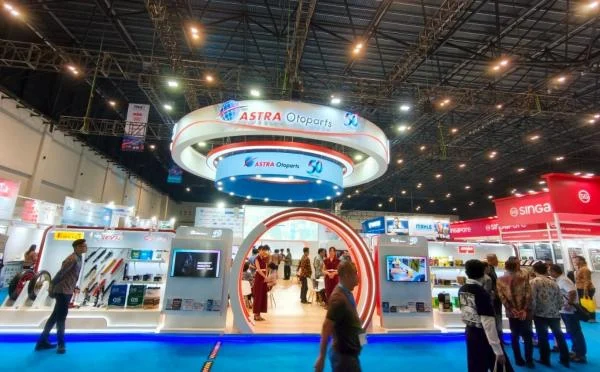
The inaugural edition of Automechanika Jakarta 2026 has officially commenced, marking a pivotal milestone for Indonesia’s automotive sector as it seeks to integrate more deeply into the global supply chain. Held at the state-of-the-art Nusantara International Convention Exhibition (NICE) in PIK 2, the event, which runs from September 24 to September 27, 2026, serves as a high-profile platform for manufacturers, suppliers, and industry experts to showcase the latest advancements in automotive components and aftermarket technology. The arrival of this world-renowned trade fair in Indonesia underscores the nation’s growing stature as a regional automotive powerhouse.
A Landmark Event for the Southeast Asian Automotive Landscape
Automechanika is globally recognized as the leading brand for the automotive service industry. Its expansion into Indonesia makes it the 15th country to host the exhibition, a move that reflects the strategic importance of the Indonesian market in the global automotive arena. According to Stephan Kurzawski, Senior Vice President of Consumer Goods, Automotive and Textile Shows and Sales at Messe Frankfurt Exhibition GmbH, the decision to bring the event to Jakarta was driven by the country’s robust industrial growth and its potential to become a central hub for manufacturing in Southeast Asia.
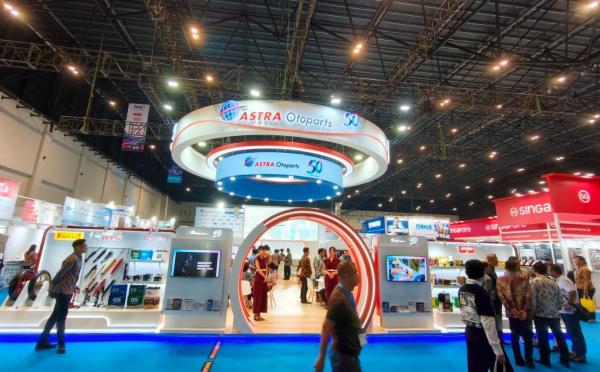
The exhibition features an extensive array of products, ranging from automotive parts and accessories to sophisticated repair and maintenance solutions. By bringing together international exhibitors and local players, the event facilitates a transfer of technology and best practices, essential for domestic manufacturers to elevate their standards to meet international requirements.
Government Backing and Industrial Strategy
The significance of Automechanika Jakarta 2026 is further highlighted by the strong endorsement it has received from the Indonesian government. During the opening ceremony, Deputy Minister of Industry Faisol Riza emphasized that the event aligns with the national industrial strategy to strengthen the domestic component manufacturing ecosystem.
"We expect the Indonesian automotive component industry to evolve and continue its growth trajectory, ultimately achieving the capability to compete fiercely on the global stage," Faisol Riza stated. The government’s support is part of a broader initiative to reduce dependence on imported components and promote the export of locally manufactured parts, particularly as the industry transitions toward electric vehicle (EV) ecosystems.
The presence of 16 international and local associations—representing markets such as Japan, Malaysia, and the European Union—indicates a significant level of international confidence in Indonesia’s industrial capacity. This collaboration is expected to spark new joint ventures and research partnerships, providing local companies with the necessary networks to penetrate mature markets in Europe and East Asia.
The Evolution of Indonesia’s Automotive Sector
To understand the importance of this event, one must examine the context of the Indonesian automotive market. Over the past decade, Indonesia has transformed from a primarily assembly-focused market into a regional manufacturing hub. The country’s automotive industry is a cornerstone of its manufacturing GDP, consistently contributing to economic stability and employment.

However, the industry faces the dual challenge of modernization and decarbonization. As global automakers shift their focus toward sustainable mobility, the domestic supply chain must adapt. Automechanika Jakarta 2026 serves as a critical bridge in this transition, offering workshops and seminars on the integration of smart technologies, automated manufacturing, and the production of components for electric and hybrid vehicles.
Chronology of Expansion: From Local Assembly to Global Hub
The journey toward hosting a world-class exhibition like Automechanika has been long and strategic. In the early 2010s, Indonesia focused on establishing local assembly plants for major Japanese and South Korean manufacturers. By 2018, the focus shifted toward deepening the value chain, encouraging investors to set up factories for components such as engine parts, chassis, and electronic control units.
In 2022, the government introduced fiscal incentives for the production of electric vehicle components, further attracting foreign direct investment (FDI). By 2024, local component manufacturers began reporting increased export volumes to neighboring ASEAN countries. The 2026 edition of Automechanika acts as the culmination of these efforts, providing a physical space to showcase these achievements to a global audience.
Supporting Data and Market Analysis
Current market data indicates that the Indonesian aftermarket sector is expected to grow at a compound annual growth rate (CAGR) of approximately 6-8% through 2030. This growth is driven by the rising number of vehicles on the road, an expanding middle class, and the increasing demand for high-quality, durable spare parts.

The entry of international players into the NICE PIK 2 venue suggests a shift in the supply chain landscape. Companies are looking to diversify their manufacturing footprints, and Indonesia is increasingly viewed as a "China Plus One" destination. The proximity to key logistics hubs and the availability of a skilled workforce are key advantages that the exhibition organizers are keen to highlight to international delegates.
Broader Implications for the National Economy
The implications of Automechanika Jakarta 2026 extend beyond mere trade figures. For the Indonesian automotive industry, the event represents a "coming-of-age" moment. It challenges local manufacturers to move beyond low-value production and into high-tech, precision-engineered components.
- Technology Transfer: Through technical symposiums, local SMEs are gaining access to proprietary knowledge regarding German and Japanese manufacturing standards.
- Standardization: Engaging with European and Japanese associations helps Indonesian manufacturers align their output with international safety and environmental certifications, a prerequisite for global exports.
- Supply Chain Integration: The event serves as a matchmaking hub where domestic suppliers can secure contracts with global automotive brands, effectively integrating them into the global Tier 1 and Tier 2 supply networks.
Challenges and Future Outlook
While the optimism surrounding the event is palpable, industry experts note that challenges remain. Infrastructure development, the cost of raw materials, and the need for further workforce upskilling in the field of mechatronics are hurdles that the industry must address. However, the presence of major international stakeholders at the Jakarta event suggests that these challenges are being tackled with a collaborative approach.
The government’s ongoing commitment to developing the EV battery supply chain—leveraging Indonesia’s vast nickel reserves—provides a unique selling point that distinguishes the country from other regional competitors. As the exhibition continues through September 27, stakeholders are closely watching for announcements regarding new investment deals and long-term strategic alliances.

Conclusion
Automechanika Jakarta 2026 is more than a trade fair; it is a strategic maneuver designed to place Indonesia firmly on the map of global automotive manufacturing. By fostering a collaborative environment that brings together government policy, international expertise, and local industrial ambition, the event has set a new benchmark for the sector. As the curtains close on this four-day event, the long-term impact on the competitiveness of Indonesian automotive components will likely be felt for years to come, signaling a new era of growth and integration for the nation’s industrial economy.
The success of this inaugural edition will undoubtedly influence the decision-making processes of global automotive giants regarding their future production strategies in Southeast Asia, ensuring that Indonesia remains at the forefront of the regional automotive evolution.
