
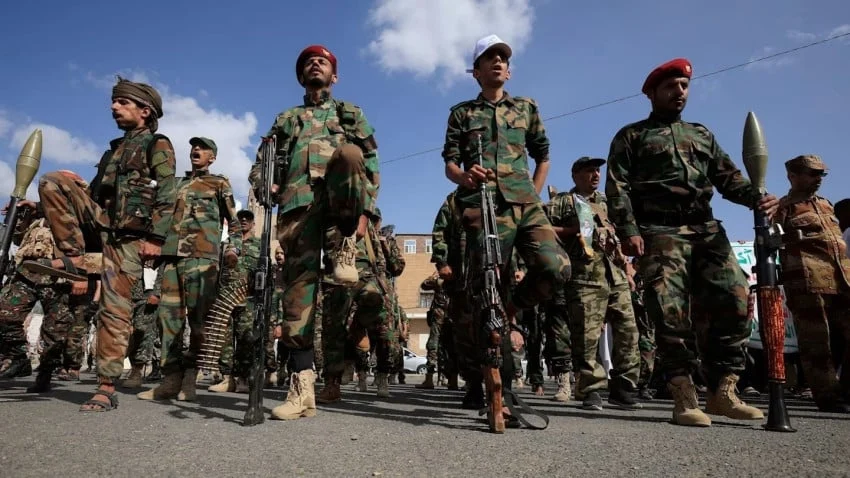
The rapid territorial advances achieved by the Iran-backed Houthi movement in Yemen, highlighted by the strategic seizure of a vital Red Sea island, have introduced a severe new dimension of instability into an already volatile Middle East. This escalation compounds ongoing geopolitical friction between the United States and Iran while threatening to exacerbate a fragile global energy market reliant on secure maritime trade routes. Despite these high stakes, confidential reports and diplomatic sources indicate that neither Washington nor its primary regional ally, Riyadh, possesses a cohesive, proactive strategy to halt or reverse the insurgent group’s momentum. This lack of resolve has triggered widespread anxiety and diplomatic friction throughout the Gulf, leaving regional leaders questioning the reliability of security umbrellas and wondering where an effective counter-offensive might originate.
Strategic Realities in the Red Sea and the Bab al-Mandab Strait
The core of the current crisis centers on the Houthi movement’s systematic push toward the Bab al-Mandab Strait, a crucial chokepoint connecting the Red Sea to the Gulf of Aden through which a significant portion of the world’s petroleum and commercial shipping passes. Intelligence assessments from Western and regional agencies confirm that the rebel forces have steadily consolidated control over critical coastal strips and offshore assets in Yemen, directly threatening global supply chains.
Despite acknowledging the strategic gravity of these movements, the United States administration has signaled a clear aversion to deploying American military assets directly against the Houthi forces. Instead, Washington has maintained a strict policy of relying on the Kingdom of Saudi Arabia and its regional coalition partners to contain and repel the insurgency. However, despite receiving augmented intelligence sharing, logistical support, and precision targeting data from the United States, the Saudi-led coalition has demonstrated limited capability to decisively check the Houthi advance along the western coast of Yemen.
Military analysts and former diplomats note that this outcome is hardly surprising given the persistent structural weaknesses, logistical hurdles, and command-and-control issues plaguing the Yemeni government forces backed by Riyadh. For months, U.S. intelligence briefings have repeatedly warned that the Houthi militia intends to restrict or disrupt commercial navigation in strategic waterways, mirroring tactics previously employed by Iran and its proxy networks elsewhere in the region.
The Limits of American Military Engagement and the Saudi Calculus
Washington maintains that it has equipped Riyadh with the requisite tools, intelligence, and targeting architecture necessary to achieve tactical and strategic success against the insurgents. Senior U.S. officials emphasize that decades of training provided to Yemeni government forces, coupled with newly expanded intelligence-sharing agreements, should theoretically empower the Saudi-led coalition to defend its borders and secure regional shipping lanes. Furthermore, coalition leadership has historically assured American counterparts of its independent operational capabilities.
The conflict in Yemen, which began as an internal political crisis, metastasized into a brutal regional proxy war more than a decade ago when the Houthi movement—equipped, funded, and trained by the Islamic Revolutionary Guard Corps (IRGC) of Iran—seized the capital, Sana’a, and forced the internationally recognized government into exile. While a landmark United Nations-brokered nationwide truce in 2022 briefly lulled the conflict into a period of relative calm, hostilities have steadily escalated in recent weeks, marked by intense ground clashes and cross-border missile and drone exchanges.
Tensions have further intensified following unverified allegations by Riyadh that Houthi forces have targeted sacred Islamic sites, alongside rebel claims that they successfully downed a Saudi Air Force F-15 fighter jet. Despite these dangerous flashpoints, President Donald Trump has consistently drawn a strict operational boundary, designating direct U.S. kinetic strikes against the Houthis as an unacceptable strategic threshold. U.S. military involvement remains tightly circumscribed, limited strictly to non-kinetic intelligence support, advisory roles, and data provisioning for Saudi operations. "There are no offensive operations," a senior U.S. defense official reiterated, highlighting the administration’s determination to avoid direct entanglement in the protracted Yemeni quagmire.
Diplomatic Fallout and Regional Reactions
President Trump’s public remarks regarding the conflict have further complicated diplomatic dynamics in the region. In recent media engagements, the U.S. president asserted that communication channels with the Houthi leadership suggested the group harbors no inherent animosity toward the United States and would prefer to avoid direct confrontation. "Houthi contact us and they do not want to fight us," Trump stated during a press briefing abroad, adding that the group prefers American non-involvement while largely permitting international commercial vessels to transit contested waters unmolested. Pointing to the primary antagonist in the eyes of the rebel movement, Trump remarked, "There is only one country that makes them less than happy, and that is Saudi Arabia, and we are going to sort that out."
These statements have generated profound unease and consternation within diplomatic and security circles. Barbara Leaf, a veteran former U.S. diplomat with extensive experience across the Middle East, publicly characterized the presidential administration’s rhetorical stance and apparent policy disconnect as deeply alarming to traditional allies. Gulf capitals perceive these messages as an indication that Washington is increasingly reluctant to provide robust security guarantees, effectively signaling a transactional approach to regional defense that leaves Gulf monarchies exposed to ascendant Iranian proxy networks.
Chronology of the Yemeni Conflict and Escalation
Understanding the current stalemate requires examining the trajectory of the Yemeni crisis over the past decade:
- 2014–2015: Houthi forces capture Sana’a, prompting the flight of President Abdrabbuh Mansur Hadi and leading to the formation of the Saudi-led military coalition in March 2015 to restore the recognized government.
- 2018–2021: Protracted urban warfare, a severe humanitarian crisis, and a stalemate around the strategic port city of Hodeidah characterize the conflict, alongside escalating Houthi drone and missile attacks on critical Saudi infrastructure, including oil processing facilities.
- April 2022: A UN-brokered truce takes effect, bringing a significant reduction in nationwide violence, facilitating fuel imports into Houthi-controlled ports, and reopening Sana’a international airport to limited commercial flights.
- Late 2023–2024: As regional tensions surge following the outbreak of the Israel-Hamas war, Houthi forces launch widespread maritime attacks in the Red Sea and Gulf of Aden under the banner of solidarity with Gaza, transforming local maritime security into an international crisis.
- Present: Despite temporary multi-national naval coalitions attempting to safeguard shipping, internal ground dynamics see the Houthis steadily expanding their territorial footprint, driving wedges between Western deterrence strategies and regional defense expectations.
Broader Economic and Geopolitical Implications
The failure to establish a unified, effective counter-strategy against the Houthi advance carries profound implications for global stability. Economically, ongoing disruptions in the Red Sea force major international shipping lines to bypass the Suez Canal entirely, opting instead for the significantly longer and more expensive route around the Cape of Good Hope. This maritime detour inflates global freight rates, delays supply chains, and places upward pressure on international energy and commodity prices, directly threatening post-pandemic economic recovery efforts in Europe, Asia, and beyond.
Geopolitically, the perceived vacuum left by American reticence invites aggressive posturing from regional actors. Iran continues to solidify its strategic depth by empowering the Houthi movement, utilizing the Yemeni theater as a low-cost, high-yield pressure point against Western interests and regional rivals. Meanwhile, Arab Gulf states, sensing a deficit in unwavering U.S. security commitments, are increasingly compelled to explore independent diplomatic channels, recalibrate their foreign policies, and hedge their strategic alignments to ensure national survival.
Without a fundamental realignment of policy between Washington and its Gulf allies—or a credible, robust plan to restore deterrence in the southern Arabian Peninsula—the Houthi movement is well-positioned to cement its control over vital international waterways. This trajectory threatens to institutionalize permanent maritime insecurity, leaving the global economy hostage to the shifting ambitions of an emboldened, non-state armed actor backed by Tehran.
