
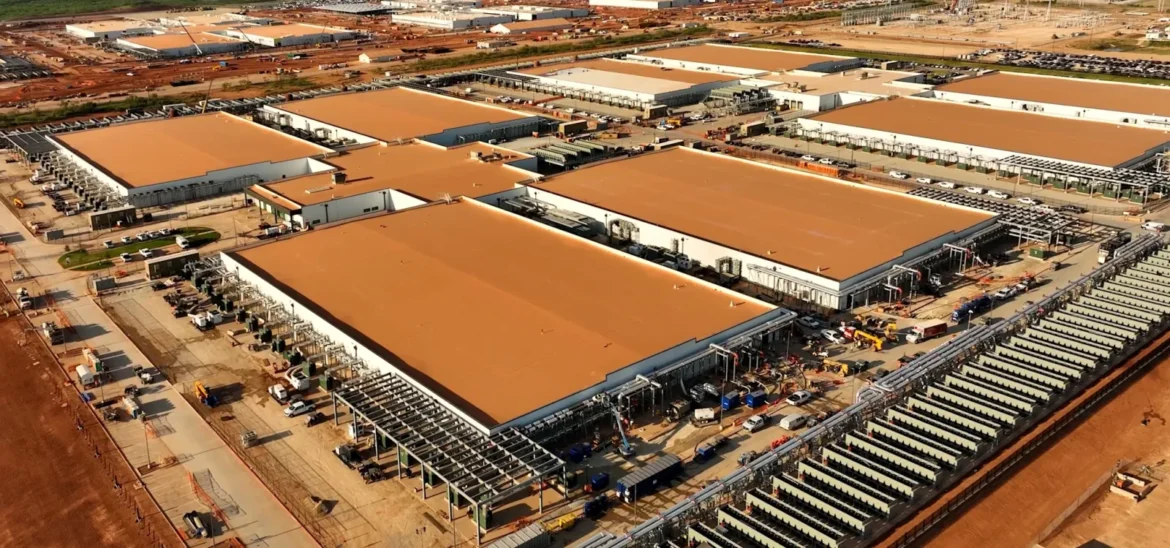
The rapid acceleration of artificial intelligence development has catalyzed a global infrastructure boom, characterized by the widespread construction of massive data centers designed to train and run complex large language models. This physical expansion, which has reached various regions worldwide including developing digital hubs like Indonesia, has increasingly collided with ecological realities. As public scrutiny intensifies over the staggering water consumption, carbon footprints, and grid strain associated with AI infrastructure, major tech developers are facing mounting resistance from local communities and environmental organizations. In a notable shift that has bypassed public fanfare, artificial intelligence pioneer OpenAI has begun
moving away from the conventional terminology associated with these facilities, quietly adopting the phrase compute campus in official communications.
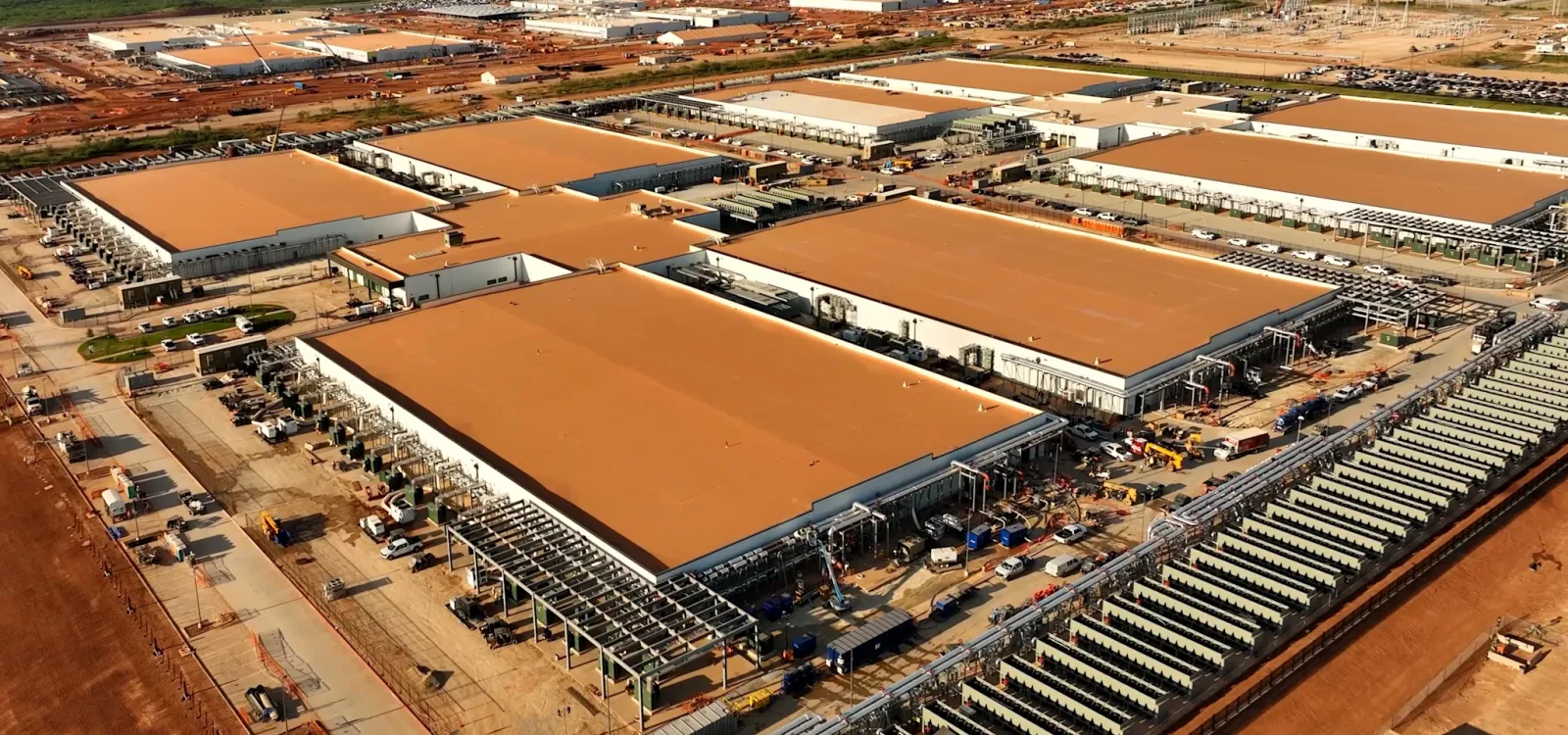
This terminological pivot surfaced during the unveiling of the Grid Protectors Program, a specialized corporate initiative ostensibly designed to mitigate the operational strain that high-density artificial intelligence computing facilities impose on local electrical grids. The inaugural rollout of this program is slated for Effingham County, Georgia, in the United States, where a massive infrastructure project is underway. A thorough examination of the policy announcements and documentation reveals a deliberate linguistic transition: OpenAI has systematically minimized references to data centers, opting instead for the more collegiate and technologically sanitized branding of compute campuses. Observers note that while the terminology has evolved to soften the industrial image of these facilities, the fundamental engineering and physical footprint remain identical to traditional server farms.
The Grid Protectors Program and Its Operational Commitments
The unveiling of the Grid Protectors Program attempts to address one of the most pressing criticisms leveled against the artificial intelligence industry: the destabilization of local energy grids. Under the framework of this initiative, OpenAI has pledged to absorb financial costs associated with grid reinforcement and peak-load management. Furthermore, the company asserts that its newly branded compute campuses will operate with enhanced load flexibility, theoretically allowing facilities to curtail power consumption or leverage backup systems during periods of extreme weather, high grid demand, or regional emergencies.
Despite these assurances, energy experts and environmental watchdogs have pointed out a significant lack of operational transparency within the initial announcements. While OpenAI has committed to covering auxiliary costs and striving for flexibility, the company has not yet published comprehensive technical frameworks detailing how this demand response will be executed at scale. Critics question whether these measures will prevent brownouts or localized energy price spikes for residential ratepayers living near these colossal facilities. The vagueness surrounding the implementation of the Grid Protectors Program has reinforced skepticism, leaving many to wonder whether the initiative constitutes a substantive operational reform or a strategic public relations maneuver designed to appease regulators.
Environmental Backlash and Rebranding Accusations
The introduction of the compute campus nomenclature has drawn sharp criticism from environmental advocacy groups who monitor the intersection of technology and climate policy. Rather than interpreting the shift as a sign of environmental innovation, these organizations view the rebranding as a superficial attempt to evade the negative public sentiment currently plaguing traditional data center developments.
Holly Elmore, a representative for the grassroots environmental organization PauseAI US, characterized the terminology change as a classic public relations exercise aimed at sanitizing corporate image without addressing the root causes of ecological degradation. According to critics, substituting an industrial term with an academic-sounding descriptor does nothing to alter the massive megawatts of power drawn from fossil-fuel-heavy grids, nor does it mitigate the millions of gallons of water utilized daily for server cooling. As public opposition to industrial-scale artificial intelligence hubs grows in suburban and rural communities alike, the deployment of carefully curated vocabulary highlights a broader industry trend toward linguistic management of environmental friction.
Broader Industry Trends and the Global Infrastructure Boom
The linguistic evolution adopted by OpenAI reflects a wider panic within the technology sector regarding public perception of AI’s physical toll. Over the past twenty-four months, major cloud and artificial intelligence providers—including Microsoft, Google, Amazon, and Meta—have faced unprecedented hurdles in securing power purchase agreements and zoning approvals. In many jurisdictions, local utility commissions have pushed back against the rapid integration of high-load data centers, citing risks to grid reliability and climate emission targets.
The global race for computational supremacy has transformed rural landscapes and suburban peripheries into sprawling digital industrial parks. From the rolling hills of the American Southeast to emerging digital economies in Southeast Asia, the sheer density of hardware required to maintain state-of-the-art neural networks has created an insatiable demand for electricity and water. Industry executives, including OpenAI leadership, have publicly argued that sacrificing conventional computing hardware resources—such as redirecting semiconductor manufacturing and memory allocation from consumer electronics directly to enterprise artificial intelligence infrastructure—is an absolute necessity to maintain technological momentum. However, this prioritization has only heightened tensions between corporate growth metrics and local sustainability mandates.
Implications of Semantic Shifts in Corporate Communications
The decision by a leading artificial intelligence developer to alter its vocabulary invites broader analysis regarding how corporate entities manage reputational risk during periods of intense social friction. In corporate communications and public relations strategy, semantic shifts are frequently employed to decouple a controversial asset from its historically negative associations. By framing a massive industrial warehouse filled with tens of thousands of power-hungry servers as a campus, organizations attempt to evoke positive connotations of education, innovation, and community integration rather than industrial pollution and resource depletion.
However, communication analysts and environmental scientists emphasize that rebranding exercises cannot permanently obscure underlying physical realities. As long as artificial intelligence models require immense computational power, the physical footprint of these facilities will remain a central point of contention in modern environmental politics. Whether termed a data center or a compute campus, the facilities demand verifiable, transparent technological innovations—such as direct integration with dedicated zero-carbon energy sources, closed-loop cooling systems, and genuine grid-neutral operations—to satisfy the concerns of regulators and local populations.
Looking Forward: The Path Ahead for AI Infrastructure
As OpenAI proceeds with its developments in locations like Effingham County, the effectiveness of the Grid Protectors Program and the true operational nature of its compute campuses will face rigorous real-world testing. Regulators, local communities, and environmental coalitions are expected to demand greater accountability and more stringent oversight as the physical manifestations of the artificial intelligence revolution continue to expand across the landscape.
To date, OpenAI has declined to issue official statements explaining the specific rationale behind the quiet transition from data centers to compute campuses. This silence has left room for industry observers to draw their own conclusions regarding the psychological and strategic utility of corporate rebranding. Ultimately, semantic modifications will do little to alter the fundamental laws of thermodynamics or the finite capacity of regional energy grids. Until the artificial intelligence sector implements transformative engineering solutions that genuinely neutralize environmental impacts, the debate surrounding the physical cost of digital intelligence will persist, regardless of the terminology used to describe the infrastructure behind it.
