
The Indonesian government has officially announced a strategic shift in its agricultural trade policy, setting an ambitious target to ensure that more than 90 percent of the country’s plantation commodity exports consist of processed or value-added goods. This policy pivot, spearheaded by the Ministry of Agriculture, aims to break the nation’s long-standing reliance on the export of raw materials, which has historically left the domestic economy vulnerable to global price fluctuations and captured only a fraction of the potential wealth generated by downstream industries.
By prioritizing downstream industrialization, or "hilirisasi," Jakarta intends to capture the entire value chain of its abundant agricultural resources. Currently, the landscape remains heavily skewed toward primary production; approximately 20 to 30 percent of Indonesia’s total plantation exports still leave the country in their rawest, unprocessed forms. The transition to a value-added export model is expected to be a cornerstone of Indonesia’s economic agenda through the end of the decade, fostering industrial growth, creating domestic employment, and stabilizing the national trade balance.
The Strategic Shift Toward Industrialization
Deputy Minister of Agriculture Alim Setiawan Slamet, in a formal statement released on Friday, November 6, 2026, underscored the urgency of this transition. "Our target for the future is clear. We are aiming for a threshold where more than 90 percent of our plantation exports are shipped in the form of derivatives and processed goods," Slamet noted. He emphasized that commodities such as palm oil, cocoa, and coconut—which are already staples of the Indonesian economy—possess significant, yet largely underutilized, potential for sophisticated manufacturing.
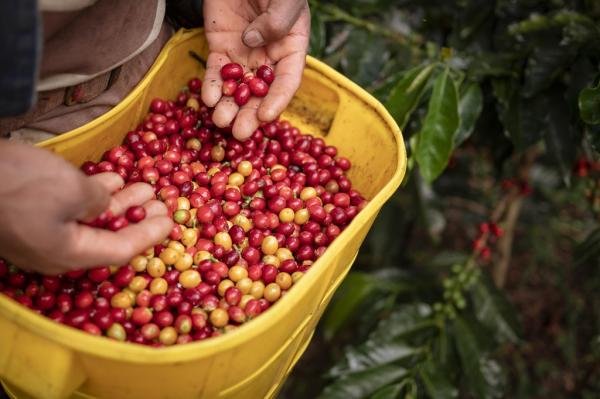
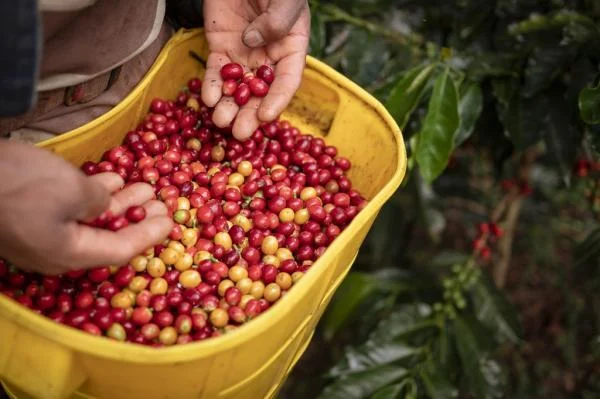
The government’s plan is not merely a policy goal but a structured program that began in 2025. It identifies seven key commodities as the pillars of this transformation: sugarcane, coconut, coffee, cocoa, cashew, pepper, and nutmeg. By focusing on these specific sectors, the Ministry of Agriculture seeks to overhaul the structure of the national plantation industry, moving it away from the commodity-trap model that has defined Indonesian trade for decades.
A Chronology of the Downstream Policy
The momentum toward this policy did not emerge in a vacuum. Since 2025, the Indonesian government has systematically implemented a framework designed to integrate upstream agricultural capacity with downstream processing facilities.
- 2025 Launch: The Ministry of Agriculture initiated the comprehensive "Hilirisasi Program," focusing on the seven priority commodities. This phase involved mapping industrial needs and identifying regional hubs for processing.
- Mid-2026 Assessment: Reports indicated that while primary production remained high, the demand for value-added products in the global market began to outpace the supply of raw goods. This prompted the government to increase the urgency of the 90-percent target.
- Late 2026 Expansion: The current phase involves the massive mobilization of land resources, with a target of 870,000 hectares designated for expansion, rejuvenation, and rehabilitation. This includes significant investment in high-quality seedlings and the implementation of Good Agricultural Practices (GAP) to ensure that the raw materials produced meet the stringent standards required for high-end processing.
Addressing the Upstream Bottleneck
A critical component of this transition is the acknowledgment that high-quality processing requires high-quality raw material. The government’s initiative encompasses an 870,000-hectare project aimed at revitalizing Indonesia’s plantation sector. This is not just about quantity; it is about structural reform.
The program includes the distribution of superior seed varieties and the modernization of cultivation techniques. By improving the yields and quality of crops at the farm level, the government ensures that domestic refineries and factories receive a consistent, high-grade supply of raw materials. This creates a symbiotic relationship: as the factories demand better quality for their processed goods, farmers are incentivized and supported to improve their production, thereby increasing their own profitability.

Economic Implications and Global Market Positioning
The decision to limit raw exports carries significant weight in global commodity markets. Indonesia is a global titan in the production of palm oil, cocoa, and spices. Consequently, any move by Jakarta to restrict or process these goods domestically has ripple effects across the globe.
Market analysts point out that the shift to processed products provides Indonesia with a "price-setter" advantage. When a nation exports raw coffee beans, it is at the mercy of global commodity exchanges. When it exports roasted, packaged, or specialty coffee products, it gains the ability to command premium pricing. This transition effectively moves Indonesia up the global value chain, moving the country from a price-taker to a value-added participant in international trade.
Moreover, the emphasis on local processing is expected to create a secondary industrial boom. Each new facility established to process palm oil into oleochemicals, or cocoa into finished chocolate, requires a workforce, logistics infrastructure, and technology maintenance. This creates a multiplier effect that stimulates regional economies outside of the main industrial hubs in Java.
Challenges and Necessary Reforms
Despite the optimism, the transition faces structural hurdles. The "middleman" phenomenon, as highlighted by Minister of Agriculture Andi Amran Sulaiman in previous discourse, remains a concern. Complex supply chains often erode the margins that should be accruing to farmers and processors alike. Addressing the presence of inefficient intermediaries is essential for the success of the downstream program, as it ensures that the increased value generated from processing actually trickles down to the primary producers.

Furthermore, the scale of the 870,000-hectare project requires massive logistical and capital investment. Infrastructure, such as cold-storage facilities, reliable transportation networks, and stable energy supply for processing plants, will be tested as the program scales up. The success of the "90 percent processed" goal will ultimately depend on the government’s ability to attract private sector investment into these downstream facilities, ensuring that the processing plants are not only built but are also competitive on the international stage.
Conclusion: A New Era for Indonesian Agriculture
The trajectory set by the Ministry of Agriculture represents a fundamental shift in how Indonesia views its natural wealth. By moving from an exporter of raw earth to a manufacturer of finished goods, the nation is asserting its sovereignty over its resources and seeking to secure long-term economic prosperity.
While the road to 2030 and beyond will undoubtedly involve navigating complex trade dynamics and domestic supply chain challenges, the commitment to institutionalizing value-added processing is a clear signal of Indonesia’s intent to evolve. As the world increasingly looks for stable, high-quality agricultural products, Indonesia is positioning itself to be more than just a farm for the world—it is aiming to become a processing powerhouse.
The success of this initiative will be measured not just in export percentages, but in the sustained growth of the rural economy, the modernization of the agricultural sector, and the increased resilience of the national trade portfolio. With the government’s focus now firmly on the integration of its seven priority commodities, the stage is set for a transformation that could redefine the role of Indonesian agriculture in the global marketplace for decades to come.
