
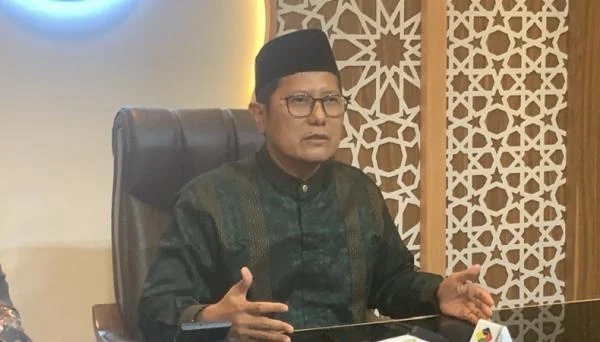
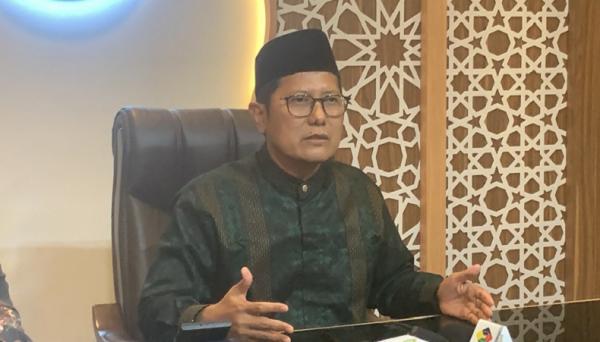
The landscape of Islamic proselytization, or dakwah, in Indonesia is undergoing a significant professionalization effort, spearheaded by the Indonesian Ulema Council (MUI). In a recent address at the 51st Standardized Dai training program held at Universitas Yarsi, Jakarta, on Monday, November 2, 2026, MUI Deputy Chairman KH M Cholil Nafis issued a stern directive to the nation’s preachers. He emphasized that the sanctity of the pulpit must be preserved, warning against the growing trend of commercializing religious lectures and the use of inappropriate, self-serving humor that detracts from the gravity of Islamic teachings.
The core of the message delivered by Cholil Nafis was a call for a return to the ethical roots of dakwah. He underscored that a dai (preacher) serves as a moral compass for the community, and as such, their conduct—both on and off the stage—must reflect the dignity of their message. The warning specifically targeted two problematic trends: the overt negotiation of honorariums prior to spiritual service and the inclusion of flippant jokes, such as those regarding marital status or the pursuit of multiple spouses, which are perceived as diminishing the respect commanded by religious leaders.
The Context of Standardized Dakwah
The MUI’s Standardized Dai program is a strategic initiative designed to ensure that those representing Islam in the public sphere possess both theological depth and an understanding of contemporary communication ethics. Since its inception, the program has sought to address concerns regarding radicalism, sectarianism, and the dilution of moderate Islamic values in digital and physical spaces.
By hosting the 51st iteration of this training, the MUI demonstrates a long-term commitment to institutionalizing quality control for preachers. Participants undergo rigorous vetting, covering subjects ranging from Islamic jurisprudence (fiqh) and national ideology (Pancasila) to modern public speaking techniques. This latest intervention by Cholil Nafis signifies that the MUI is not only concerned with the content of the sermons but also with the character and behavioral standards of the speakers themselves.
Professional Ethics and the Commercialization of Religion
The commercialization of dakwah has been a subject of quiet debate within religious circles for years. As digital platforms and television media have turned high-profile preachers into celebrities, the lines between professional service and commercial enterprise have blurred. Some preachers have been known to set high honorarium requirements, sometimes referred to as ‘tarif dakwah,’ which can exclude smaller, impoverished communities from accessing religious guidance.
Cholil Nafis’s intervention serves as a formal institutional stance against this transactional approach. From an ethical standpoint, the MUI suggests that while a preacher is entitled to sustain their livelihood, the primary motivation for religious service must remain the dissemination of faith and moral guidance. When the focus shifts to financial gain, the inherent trust between the preacher and the congregation—the ‘jamaah’—is compromised.
The Role of Humor and Public Perception
The use of humor in sermons is a delicate art. In the Indonesian context, culturally resonant humor has long been a tool to soften complex theological messages, making them more accessible to the lay public. However, the line between constructive wit and offensive triviality is thin.
Cholil Nafis explicitly highlighted the danger of using the pulpit to make light of personal matters, such as the desire for polygamy or marriage. Critics of such humor argue that it normalizes behaviors that may be sensitive or controversial, thereby alienating sections of the audience, particularly women. By calling for an end to such "inappropriate jokes," the MUI is effectively attempting to re-establish the preacher as a role model who adheres to a higher standard of decorum, ensuring that the message remains the primary focus of the interaction.
Broader Implications for Indonesian Islam
The move by the MUI is reflective of a broader, global shift in how religious organizations manage their public image. In an era of rapid information dissemination via social media, a single recorded video of a controversial or inappropriate remark can go viral, potentially causing significant reputational damage to the organization the preacher represents.

From an analytical perspective, this push for standardization acts as a protective measure for the moderate, mainstream Islamic identity that the MUI promotes. By enforcing a code of ethics, the organization hopes to mitigate the influence of fringe or populist preachers whose primary goal may be viral fame rather than theological accuracy or social harmony.
The Evolution of the MUI Standardized Dai Program
The timeline of this initiative reflects a sustained effort to reform the dakwah sector:
- Initial Formulation: The concept of standardizing preachers was introduced to counter the influence of extremist rhetoric in the early 2010s.
- Institutionalization: Formal training programs were established to create a database of "standardized" preachers who are vetted for their commitment to national unity and moderate Islamic thought.
- Continuous Monitoring: The 51st batch, held in November 2026, shows that the program is not a one-time event but a continuous cycle of education.
- The 2026 Directive: The recent comments by Cholil Nafis represent an expansion of the scope of standardization, moving from purely ideological vetting to behavioral and professional conduct vetting.
Perspectives on the Directive
While the directive has been met with approval from various community leaders, it has also sparked discussions about the freedom of expression for preachers. Supporters argue that religious leaders occupy a privileged space in society and must be held to higher standards than the average citizen. Conversely, some independent preachers suggest that humor remains an essential tool for engagement, particularly with the younger generation, and that the definition of "inappropriate" should remain flexible to account for local cultural nuances.
However, the consensus among Islamic scholars within the MUI remains firm: the pulpit is a sacred space. When a preacher stands before an audience, they represent the faith itself. Therefore, any behavior that undermines that representation is a disservice to the community and to the religion at large.
Economic and Social Impact
The economic landscape of dakwah in Indonesia is vast. With thousands of mosques and an even larger number of religious events, the industry supports a significant number of professionals. The MUI’s stance suggests a move toward self-regulation. If successful, this could lead to the establishment of "best practices" for preachers, including ethical guidelines for managing donations and honorariums.

If preachers align with these new expectations, it is likely that the quality of public religious discourse will improve. A shift away from entertainment-focused preaching toward substance-focused preaching could increase the educational value of religious gatherings. This, in turn, could foster a more informed and nuanced understanding of Islam among the public, reducing the prevalence of misinformation or shallow interpretations of religious texts.
Future Outlook
As the MUI continues to roll out its standardization efforts, the impact of these directives will be monitored closely. The challenge remains in balancing the need for institutional regulation with the diverse cultural expressions of Islam across the Indonesian archipelago.
The directive issued at Universitas Yarsi is a clear signal that the era of the "unregulated preacher" is being challenged by a more organized, institutional approach to religious guidance. For the participants of the 51st batch of the training program, the lesson is clear: the path of the dai is one of service, humility, and strict ethical discipline. As Indonesia approaches the end of the 2020s, the role of these preachers in shaping the moral and social fabric of the nation remains critical, and the MUI is determined to ensure they are prepared for the responsibility.
In conclusion, the warning from KH M Cholil Nafis is not merely a critique of specific habits; it is a fundamental call to professionalize and sanitize the practice of dakwah. By prioritizing the message over the messenger’s personal gain and maintaining a decorous tone, the MUI aims to safeguard the reputation of Islamic preaching in Indonesia, ensuring it remains a source of wisdom and unity rather than a venue for commercialism or levity. As these standards become the norm, the future of Indonesian preaching will likely be characterized by a greater emphasis on accountability and respect, reinforcing the role of the dai as a trusted servant of the faith.
