
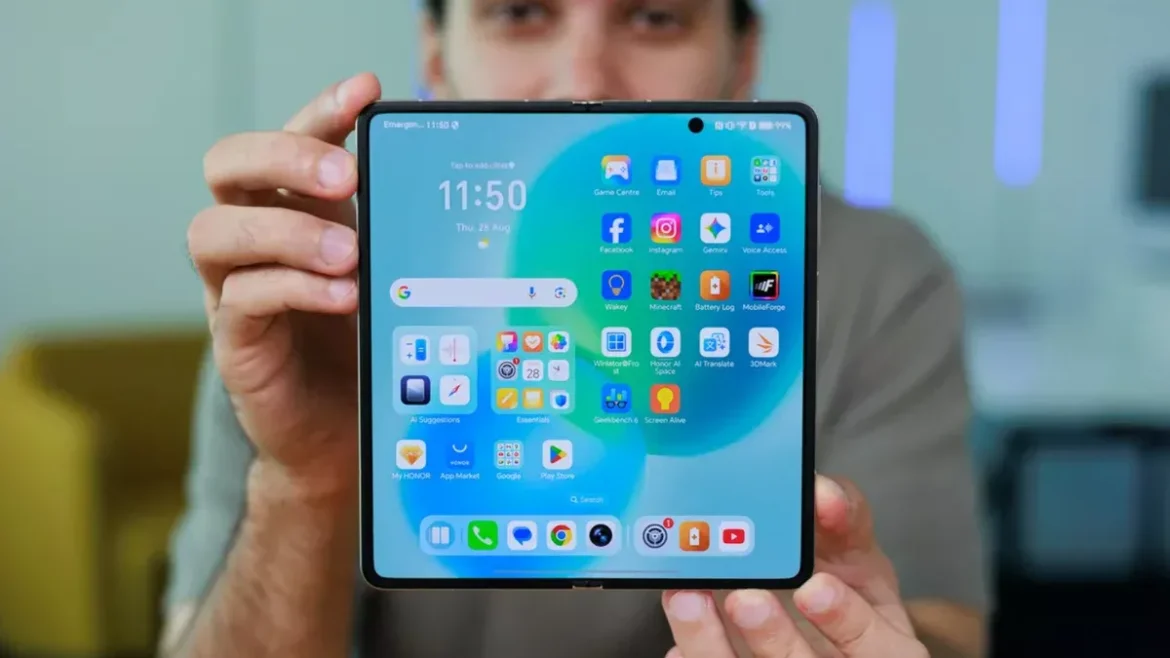
The global foldable smartphone market is experiencing remarkable growth, with shipments projected to increase by 21 percent in the first half of 2026 compared to the same period last year, defying persistent pressures from a global memory chip crisis. This significant expansion is primarily fueled by robust demand for premium, book-style foldable devices, intensifying competition among manufacturers, and the highly anticipated entry of tech giant Apple into the foldable segment with its rumored "iPhone Ultra." While Samsung is projected to retain its leadership position, holding an estimated 32 percent market share for the year, its long-held dominance is set to face its most formidable challenge yet with Apple expected to capture a substantial 25 percent of the global foldable market almost immediately upon its debut.
A Resilient Niche: Foldables Flourish Amidst Global Headwinds
The resilience of the foldable smartphone market stands in stark contrast to the broader technology sector, which has grappled with supply chain disruptions and an acute global shortage of memory chips. This crisis, stemming from various factors including increased demand during the pandemic, geopolitical tensions, and production bottlenecks, has impacted the manufacturing capabilities and profit margins of numerous electronics companies. However, the premium nature and higher average selling prices (ASPs) of foldable devices appear to have somewhat insulated this segment, allowing manufacturers to prioritize component allocation and maintain production momentum. Consumers, increasingly drawn to the innovative form factor and enhanced functionality, are demonstrating a willingness to invest in these high-end devices, further stimulating market growth.
Historically, the foldable market has been characterized by iterative advancements and gradual consumer adoption. First introduced commercially in 2019, early models faced scrutiny over durability, hinge mechanisms, and software optimization. Over the past few years, however, manufacturers, led primarily by Samsung, have invested heavily in research and development, addressing these initial concerns. Improved hinge designs, more robust flexible displays, and software tailored for the unique multi-screen experience have significantly enhanced the user experience, transforming foldables from experimental gadgets into viable premium smartphone options. This steady improvement in product maturity, coupled with a broader range of price points—though still premium—has broadened their appeal to a wider demographic of tech enthusiasts and early adopters.
Samsung’s Iterative Innovation and Enduring Market Leadership
Samsung, having pioneered the foldable smartphone category, has consistently been at the forefront of its development. The South Korean conglomerate has launched multiple generations of foldable devices, meticulously refining the technology and user experience with each iteration. For 2026, Samsung is banking on its latest flagships—the Galaxy Z Flip8, Galaxy Z Fold8, and the ultra-premium Galaxy Z Fold8 Ultra—to solidify its market leadership. These devices represent the culmination of years of engineering expertise, offering enhanced durability, more sophisticated hinge mechanisms, and optimized software environments designed to leverage the unique capabilities of flexible displays.
Industry analysts highlight several key advantages that Samsung continues to hold. Its multi-generational head start has provided invaluable experience in manufacturing at scale, navigating supply chain complexities, and understanding consumer preferences in this nascent category. Furthermore, Samsung boasts an extensive global sales network and a deeply integrated software ecosystem specifically tailored for foldable form factors. This ecosystem includes optimized applications, seamless multitasking features, and a commitment to long-term software support, which collectively contribute to a robust and mature user experience. Liz Lee, Associate Director at Counterpoint Research, acknowledges Samsung’s strengths, stating, "Samsung still holds clear advantages in product maturity, channel reach, and the overall foldable device user experience. Their foundational work has paved the way for the segment’s current trajectory."
The Apple Effect: iPhone Ultra’s Imminent Arrival and Market Reshaping
The most significant catalyst for change in the 2026 foldable market is the impending entry of Apple. Long rumored to be developing its own foldable device, the "iPhone Ultra" is widely anticipated to make its debut this year. This move by the Cupertino giant is poised to be a watershed moment for the entire foldable industry. Counterpoint’s latest Foldable Smartphone Market Forecast report boldly estimates that Apple will immediately capture a remarkable 25 percent of the global foldable market share in its inaugural year. This aggressive projection underscores the immense brand power and ecosystem loyalty that Apple commands.
Apple’s entry carries profound implications beyond mere market share figures. Its presence is expected to dramatically increase overall consumer awareness and validation of the foldable category. For years, foldables have been perceived by some as a niche or experimental product. With Apple, a company synonymous with premium design and mainstream adoption, throwing its weight behind the technology, the perception is likely to shift, attracting a broader swathe of mainstream consumers who traditionally wait for Apple to legitimize new tech categories. "The arrival of a foldable iPhone is expected to significantly elevate consumer attention across the board and raise the bar for premium foldable devices," explains Lee. This will likely push all manufacturers to innovate even faster, focusing on design, durability, and a seamless user experience to meet the elevated standards set by Apple. While Samsung has been the primary innovator, Apple’s competitive pressure will undoubtedly accelerate the pace of development across the entire industry.
Redrawing the Competitive Landscape: Market Share Projections for 2026
The competitive landscape of the foldable smartphone market in 2026 is projected to be markedly different from previous years, largely due to Apple’s entrance. According to Counterpoint’s analysis, the market share distribution is expected to be as follows:
- Samsung: 32%
- Apple: 25%
- Huawei: 24%
- Motorola: 8%
- Honor: 3%
- Other brands: 8%
This breakdown reveals a tightening race at the top, with Samsung’s lead significantly eroded by Apple’s immediate impact. Huawei, despite facing geopolitical challenges, maintains a strong third position, primarily buoyed by its dominant performance in its home market, China. The remaining market share is fragmented among a growing number of players, indicating increasing diversification within the segment. The direct competition between Samsung and Apple will likely intensify R&D efforts, potentially leading to faster advancements in display technology, hinge design, and software optimization across the industry. Other manufacturers will need to differentiate their offerings strategically to avoid being squeezed between the two giants.
Huawei’s Enduring Presence and Regional Strength
Despite facing significant global sanctions and restrictions on its access to key technologies and markets, Huawei continues to be a formidable player in the foldable smartphone segment, projected to command 24 percent of the market in 2026. This impressive share is overwhelmingly concentrated in China, where Huawei remains one of the leading smartphone brands across all categories, and particularly in the premium foldable space. The Chinese market itself is a crucial battleground for foldables, characterized by strong domestic demand and rapid technological adoption.
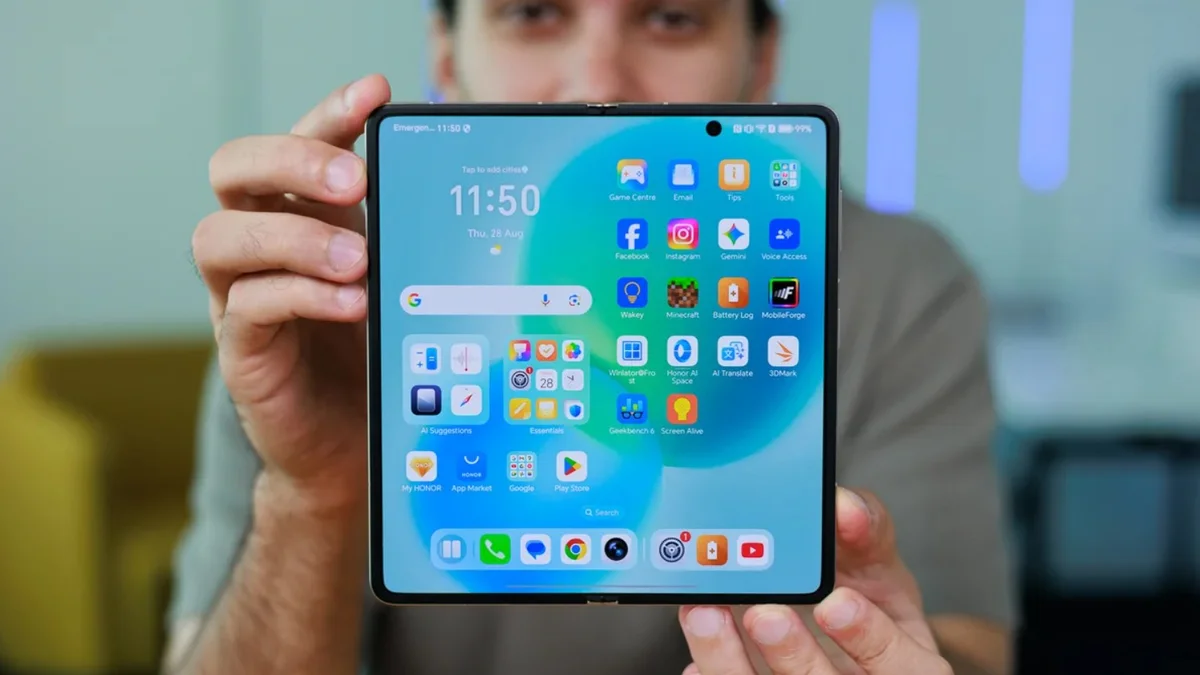
Huawei has consistently demonstrated its engineering prowess, launching innovative foldable designs and integrating advanced features within its ecosystem. Their continued investment in proprietary chipsets and software solutions, driven by necessity, has allowed them to maintain a competitive edge within their primary market. While their global expansion remains curtailed, Huawei’s strong domestic performance highlights the potential for regional dominance within the foldable market and underscores the importance of the Chinese consumer base for the overall segment’s growth.
The Race Beyond the Top Two: Motorola, Honor, and Emerging Contenders
Beyond the top three contenders, other brands are carving out their niches in the evolving foldable market. Motorola is projected to capture 8 percent of the global market, primarily through its Razr series, which has focused on a clamshell design reminiscent of its iconic feature phones. Motorola’s strategy often involves offering more competitively priced foldable options or targeting specific design aesthetics, appealing to consumers looking for a blend of nostalgia and cutting-edge technology.
Honor, a relatively newer entrant as an independent brand, is projected to secure 3 percent of the market. Honor, like other Chinese manufacturers, has been aggressive in its product launches and pricing strategies, aiming to capture market share through innovative features and value propositions. The "other brands" category, comprising the remaining 8 percent, signifies a diverse landscape of companies including Xiaomi, Oppo, Vivo, and potentially new entrants, all vying for a piece of this high-growth segment. Their strategies vary, from focusing on specific regional markets to introducing unique form factors or advanced camera technologies within their foldable offerings. The increased competition from these players ensures a dynamic and innovative environment, pushing the boundaries of what foldable smartphones can achieve.
Galaxy Z Fold8: Samsung’s Strategic Response to Evolving User Needs
One of Samsung’s primary weapons in retaining its market position and fending off Apple’s challenge is the Galaxy Z Fold8. This iteration represents a significant design evolution from its predecessor, the Galaxy Z Fold7. While previous models often featured a more elongated form factor, the Z Fold8 adopts a wider, more book-like design. This change is not merely aesthetic; it’s a strategic response to evolving user needs and the increasing integration of artificial intelligence (AI) into daily smartphone usage.
According to Counterpoint, this wider design makes the outer screen feel more natural and usable as a conventional smartphone, addressing a common criticism of earlier foldables where the external display felt too narrow. When unfolded, the main interior screen offers a substantially larger canvas, which is crucial for enhanced multitasking, immersive content consumption, and, critically, for leveraging advanced AI features. The wider display provides ample room to comfortably run multiple applications side-by-side, view detailed documents, or engage with complex AI interfaces without feeling cramped. This ergonomic and functional improvement is a key differentiator as the market heats up.
AI and the Foldable Future: A Synergy of Technology and Form Factor
The confluence of advanced AI capabilities and the expansive screen real estate of foldables, particularly the new wider designs, marks a significant synergy in smartphone technology. Modern AI in smartphones has evolved far beyond simple chatbot interactions. It now encompasses sophisticated tasks such as summarizing lengthy documents, advanced content editing (photos, videos, text), intelligent schedule management, and seamless information transfer between disparate applications.
These complex AI-driven activities demand a spacious and flexible display environment. Users often need to keep two or more applications visible simultaneously to monitor progress, reference information, or drag-and-drop content efficiently. A wider foldable screen, like that of the Galaxy Z Fold8, inherently supports these workflows, allowing users to maintain context across multiple tasks. Liz Lee from Counterpoint Research emphasizes this point: "With a wider design, Samsung’s latest devices can make the foldable experience feel more natural, especially for users who need to keep several tasks visible on one screen, monitor progress, and utilize AI features across various applications." This strategic alignment between hardware design and software intelligence positions foldables as ideal platforms for the next generation of AI-powered mobile computing.
Challenges and Opportunities: The Road Ahead for Foldable Smartphones
Despite the impressive growth and technological advancements, the foldable smartphone market still faces several challenges. High price points remain a barrier for many mainstream consumers, although prices are gradually becoming more accessible. Durability concerns, particularly regarding the flexible display and hinge mechanism, persist in the minds of potential buyers, even with significant engineering improvements. Software optimization for the unique foldable form factor, while progressing, still requires continuous refinement to ensure a consistently seamless user experience across all applications.
However, the opportunities for growth and innovation are even more compelling. The expanding user base, fueled by increasing consumer awareness and Apple’s entry, promises to drive further investment in R&D. Future advancements could include even more robust and lighter materials, completely invisible under-display cameras, longer-lasting batteries, and entirely new use cases that leverage the adaptable form factor. As the technology matures and manufacturing costs decrease, foldables are poised to move beyond a niche premium segment into a more mainstream category, potentially redefining the very concept of a smartphone.
Conclusion: A Dynamic Era for Smartphone Innovation
The foldable smartphone market is entering a dynamic and intensely competitive era. The 21 percent growth in the first half of 2026, despite global chip shortages, underscores the inherent appeal and technological maturity of these devices. Samsung, while still leading, faces an unprecedented challenge from Apple, whose entry is set to validate the category, elevate premium standards, and reshuffle the market share hierarchy. The design evolution of devices like the Galaxy Z Fold8, coupled with the increasing integration of AI, highlights a strategic vision for foldables as powerful, multi-functional computing platforms. As Huawei, Motorola, Honor, and other players continue to innovate, the coming years promise a vibrant landscape of technological breakthroughs and intense competition, ultimately benefiting consumers with more advanced, versatile, and compelling mobile experiences. The foldable future is not just arriving; it’s accelerating at an astonishing pace.
