
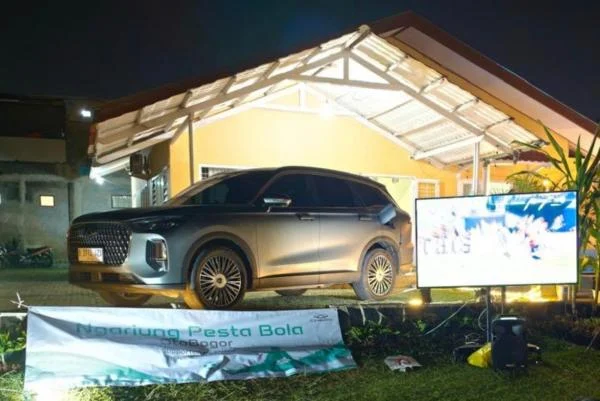
The flagship Chery Tiggo 9 CSH (Chery Super Hybrid) SUV has debuted with an impressive Vehicle-to-Load (V2L) feature, capable of delivering up to 6,600 watts of power. This groundbreaking technology transforms the vehicle into a portable power station, empowering users to sustain a wide array of activities beyond the confines of their homes. The V2L system allows the energy stored within the vehicle’s battery to be channeled to external electronic devices, offering unprecedented convenience and utility for outdoor enthusiasts and those requiring off-grid power solutions.
This advanced V2L functionality enables the Chery Tiggo 9 CSH to power everything from culinary appliances and coffee makers to lighting systems and entertainment devices. Whether engaged in camping expeditions, leisurely picnics, or community gatherings, users can now rely on their SUV to provide the necessary electrical support, eliminating the need for traditional, noisy, and emission-producing generators. The 6.6 kW output is particularly noteworthy within its vehicle class, signifying a substantial leap in integrated power delivery capabilities. This capacity allows for the simultaneous operation of multiple electronic devices, ensuring that various power demands can be met without interruption or the necessity of external power sources.
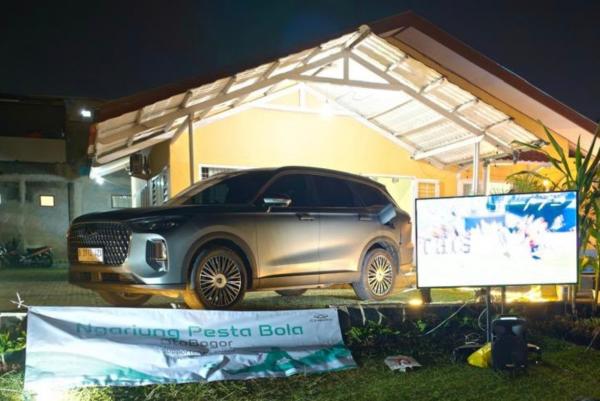
The robust power delivery is underpinned by a substantial 34.46 kWh battery pack. This battery has undergone rigorous testing and earned an IP68 certification, guaranteeing superior protection against both dust ingress and water immersion. The substantial battery capacity ensures that the V2L feature can be utilized for extended durations, thereby maximizing its utility for prolonged outdoor activities. This is a critical factor for scenarios such as multi-day camping trips or powering essential equipment during emergencies.
Furthermore, the Chery Super Hybrid system is engineered for optimal energy management. The V2L functionality operates efficiently, minimizing the reliance on the gasoline engine. This not only conserves fuel but also contributes to a more serene and environmentally conscious experience, characterized by reduced noise pollution and lower emissions. The intelligent integration of hybrid technology ensures that the vehicle’s primary function as transportation is not compromised while simultaneously offering this advanced power-sharing capability.
Advancing the SUV Experience: The Significance of V2L Technology
The integration of Vehicle-to-Load (V2L) technology in consumer vehicles represents a significant evolution in how we perceive and utilize our automobiles. Historically, vehicles have been primarily viewed as modes of transport. However, with the advent of advanced battery technology and sophisticated power management systems, the role of the car is expanding. The Chery Tiggo 9 CSH’s V2L feature is a prime example of this shift, positioning the SUV as a versatile tool for modern lifestyles that often blend urban commuting with outdoor recreation and remote work possibilities.

The 6,600-watt output is not merely a technical specification; it translates to tangible benefits. For instance, a typical household refrigerator consumes around 100-200 watts, while a portable electric grill might draw 1,500-1,800 watts. A coffee maker can range from 800-1,500 watts. With 6,600 watts available, the Tiggo 9 CSH could theoretically power multiple such appliances simultaneously, making it a practical solution for outdoor kitchens, remote workshops, or even providing temporary power to a residence during an outage.
A Deeper Dive into the Technology
The Chery Super Hybrid system, which powers the Tiggo 9 CSH, likely employs a sophisticated architecture that balances the benefits of electric propulsion with the range and refueling convenience of an internal combustion engine. The large battery capacity (34.46 kWh) is comparable to that of some plug-in hybrid electric vehicles (PHEVs) or even smaller, dedicated battery-electric vehicles (BEVs). This substantial energy reserve is crucial for enabling the high-power V2L output for sustained periods.
The IP68 certification of the battery is a critical safety and durability feature. It signifies that the battery is dust-tight and protected against immersion in water up to a specified depth and duration. This is essential for a component that might be exposed to the elements, especially when the vehicle is used for off-road adventures or in challenging weather conditions.

Potential Use Cases and Market Implications
The introduction of such a potent V2L system by Chery opens up a plethora of potential use cases that extend beyond traditional automotive functions:
- Outdoor Recreation: Campers can power lights, cooking appliances, entertainment systems, and even portable refrigerators without the need for noisy generators. This enhances the comfort and enjoyment of camping trips.
- Emergency Preparedness: In the event of power outages due to natural disasters or grid failures, the Tiggo 9 CSH can serve as a vital backup power source for homes, powering essential appliances like refrigerators, medical equipment, or communication devices.
- Mobile Businesses and Events: Food trucks, mobile vendors, or organizers of outdoor events could leverage the SUV’s power to run equipment, lighting, and sound systems, reducing logistical challenges and operational costs.
- Remote Work and Projects: Individuals working remotely in off-grid locations or undertaking projects that require power tools can utilize the vehicle as a mobile power hub.
The market implications of this feature are significant. It positions the Chery Tiggo 9 CSH as a unique offering in the competitive SUV segment, appealing to consumers who value versatility, self-sufficiency, and advanced technology. As the automotive industry increasingly embraces electrification and innovative features, vehicles that can perform multiple functions beyond transportation are likely to gain traction. Chery’s investment in such advanced capabilities could influence competitors to explore similar integrated power solutions in their future models.
Context and Background of Chery’s Hybrid Strategy
Chery Automobile Co., Ltd., a Chinese state-owned automobile manufacturer, has been actively investing in new energy vehicle technologies. The development of its "Chery Super Hybrid" system, as seen in the Tiggo 9 CSH, is part of a broader strategy to expand its presence in global markets with technologically advanced and environmentally conscious vehicles. The company has been focusing on developing proprietary hybrid powertrains and electric vehicle platforms to meet evolving consumer demands and stringent environmental regulations worldwide.
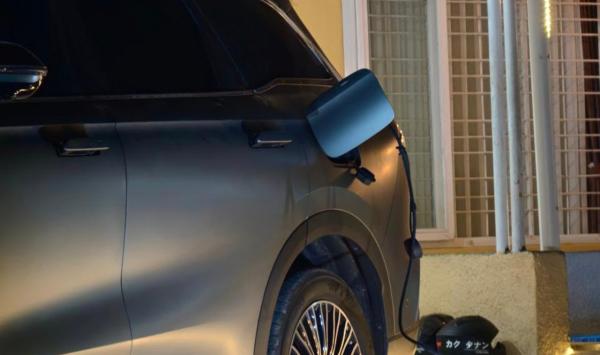
The introduction of the Tiggo 9 CSH with its high-capacity V2L feature suggests a deliberate effort by Chery to differentiate its flagship SUV by offering a compelling combination of luxury, performance, and unparalleled utility. This move aligns with the global trend of integrating more smart and sustainable technologies into personal mobility.
Future Outlook and Potential Enhancements
The 6,600-watt V2L capability is a significant benchmark. As battery technology continues to advance and charging infrastructure becomes more widespread, it is plausible that future iterations of such systems could offer even higher power outputs or extended duration capabilities. The integration of bi-directional charging (Vehicle-to-Grid or V2G) could also emerge, allowing vehicles not only to supply power to external devices but also to feed excess energy back into the electricity grid, potentially creating new revenue streams for vehicle owners and contributing to grid stability.
The success of the Chery Tiggo 9 CSH and its V2L feature will likely depend on factors such as pricing, market reception, and the overall reliability and performance of the Chery Super Hybrid system. However, the technological innovation demonstrated by this SUV positions it as a noteworthy contender in the evolving landscape of electrified vehicles and a testament to the expanding potential of automotive integration. The ability to power a campsite, a temporary worksite, or even a home during an outage signifies a fundamental shift in the role of the automobile, transforming it from a mere mode of transport into a dynamic, multi-functional energy hub.
