
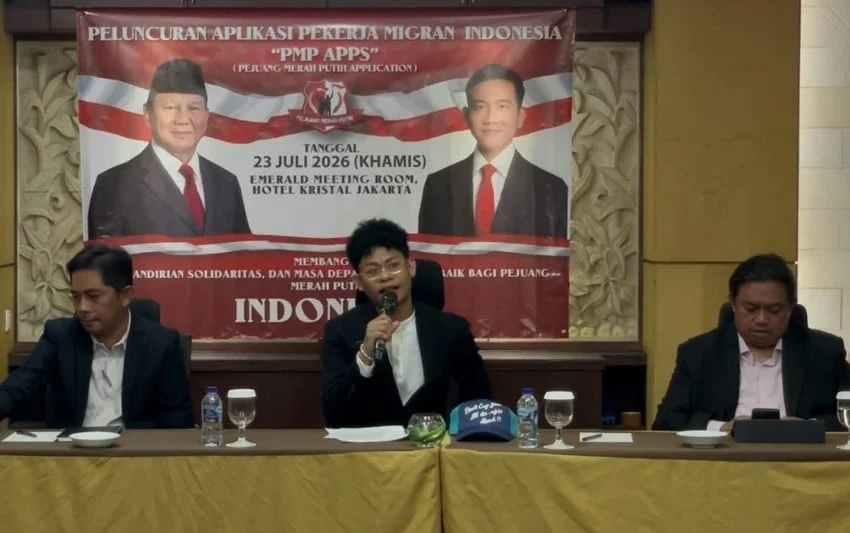
JAKARTA – A groundbreaking new application, Pejuang Merah Putih SuperApps, is in the final stages of development, poised to offer a comprehensive safety net for Indonesian Migrant Workers (PMI) abroad. Scheduled for a launch within approximately three months, the application aims to address a spectrum of challenges faced by PMIs, including delayed salary payments, instances of abuse, and complex legal issues in their host countries. The app will be accessible to all PMIs, regardless of their legal status.
The initiative, spearheaded by Pejuang Merah Putih SuperApps, comes as a direct response to persistent concerns regarding the welfare and security of Indonesian citizens working overseas. These concerns have been a recurring theme in discussions surrounding labor migration, with numerous reports highlighting the vulnerabilities faced by PMIs. The development of this application signifies a proactive approach by a private entity to bridge existing gaps in support systems for this vital segment of the Indonesian workforce.
Core Features and Functionality
At the heart of the Pejuang Merah Putih SuperApps platform is a suite of user-centric features designed for immediate assistance and long-term support. A prominent component will be the "SOS Button," an emergency alert system designed to quickly connect users with relevant authorities or designated support contacts in times of crisis. This feature is crucial for PMIs who may find themselves in immediate danger or facing urgent situations where swift communication is paramount.
Complementing the emergency features is an integrated e-wallet system. This function aims to streamline financial transactions, providing a secure and convenient platform for PMIs to manage their earnings, send remittances to their families back home, and potentially access micro-financial services. The inclusion of an e-wallet is a practical solution to common issues related to salary disbursement and the often-complex processes of international money transfers, which can sometimes be subject to delays and high fees.
Beyond immediate safety and financial management, the application will also offer robust legal support. Pejuang Merah Putih SuperApps has established law offices in various countries, intended to provide legal assistance to PMIs worldwide. This network of legal professionals will be instrumental in navigating the intricacies of foreign legal systems, offering guidance, representation, and support in cases ranging from contract disputes to more serious legal entanglements.
Addressing the Root Causes of Vulnerability
Ivan Raoul Benedict, CEO of Pejuang Merah Putih SuperApps, articulated the driving force behind the application’s development. "This application was born as a response to the various problems still experienced by PMIs, ranging from delayed salary payments, violence, to legal issues in their placement countries," Benedict stated. He emphasized the organization’s commitment to fostering a "healthy ecosystem" that empowers Indonesian human resources to be competitive on the international stage.
The recognition of both procedural and non-procedural PMIs underscores a nuanced understanding of the migrant worker landscape. Non-procedural PMIs, often working without official documentation or permits, are particularly vulnerable due to their precarious legal status, making them susceptible to exploitation and less likely to seek formal channels for help. By extending accessibility to this group, the application aims to provide a lifeline and a pathway towards greater security and rights.
Background: The Landscape of Indonesian Migrant Workers
Indonesia has one of the largest populations of migrant workers globally, with millions of citizens employed in various sectors across dozens of countries, particularly in Southeast Asia, the Middle East, and East Asia. These workers play a significant role in the Indonesian economy, contributing substantially to remittances that support families and bolster national foreign exchange reserves. However, their journey is often fraught with challenges.
Historically, issues such as contract fraud, deceptive recruitment practices, exorbitant placement fees, and inadequate protection in host countries have plagued the PMI sector. Cases of physical and psychological abuse, non-payment of wages, and prolonged working hours have been widely reported by NGOs, government agencies, and the media. The Indonesian government has implemented various policies and programs over the years to protect its citizens abroad, including the establishment of diplomatic missions and specific agencies tasked with migrant worker affairs. However, the sheer scale of migration and the complexities of international labor markets often necessitate supplementary and innovative solutions.
The role of technology in enhancing worker protection has been increasingly recognized. Digital platforms and mobile applications offer the potential to provide timely information, facilitate communication, and offer immediate assistance, overcoming geographical barriers and bridging information gaps. The Pejuang Merah Putih SuperApps initiative aligns with this trend, leveraging technology to create a more accessible and responsive support system.
Timeline and Development Milestones
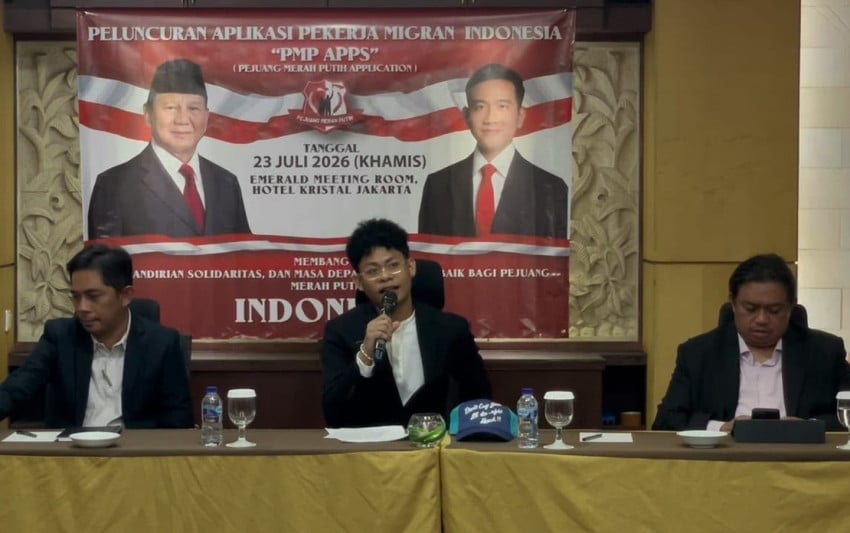
The development of the Pejuang Merah Putih SuperApps application is reportedly on track, with a targeted launch within the next three months. This timeframe suggests that the core functionalities are nearing completion and that rigorous testing and refinement processes are underway. The organization’s proactive approach in announcing the upcoming features indicates a strategic effort to build awareness and garner support from potential users and stakeholders.
While specific details about the development phases are not publicly available, the inclusion of features like an SOS button and an e-wallet implies significant investment in secure infrastructure, user interface design, and potential partnerships with telecommunication providers, financial institutions, and legal aid organizations. The establishment of international law offices also represents a considerable logistical and financial undertaking, highlighting the ambitious scope of the project.
Supporting Data and Context
According to data from the Indonesian National Board for Placement and Protection of Indonesian Migrant Workers (BNP2TKI), millions of Indonesians work abroad annually. While exact figures fluctuate, the number has consistently remained in the hundreds of thousands. These workers are primarily employed in domestic work, manufacturing, agriculture, and healthcare sectors.
The remittances sent by these workers are a vital component of Indonesia’s economy. In recent years, these remittances have often amounted to billions of U.S. dollars annually, playing a crucial role in supporting household consumption and poverty reduction in many Indonesian regions. This economic contribution underscores the importance of ensuring the safety and well-being of PMIs, as their productivity and security directly impact both their personal lives and the national economy.
However, the challenges faced by PMIs are also reflected in statistics. Reports from various sources indicate that a significant number of PMIs encounter issues related to contract violations, wage disputes, and instances of mistreatment. For example, reports from the Indonesian Migrant Workers Union (Serikat Buruh Migran Indonesia) and other advocacy groups have frequently highlighted cases of abuse and exploitation that require urgent intervention. The proposed application aims to provide a more direct and accessible avenue for reporting such incidents and seeking redress.
Reactions and Implications
The announcement of the Pejuang Merah Putih SuperApps application has been met with cautious optimism from various stakeholders. While official statements from government bodies have yet to be released, organizations that advocate for migrant worker rights have expressed hope that such initiatives will genuinely enhance the protection available to PMIs.
"Any tool that empowers migrant workers and provides them with direct access to help is a positive development," commented a representative from a prominent Indonesian migrant advocacy group, who wished to remain anonymous pending official endorsement. "However, the effectiveness of such an application will depend on its reach, its user-friendliness for diverse literacy levels, and the responsiveness of the support systems it connects to."
The potential implications of this application are far-reaching. If successful, it could:
- Enhance immediate safety: The SOS button could significantly reduce response times in emergencies, potentially saving lives and preventing further harm.
- Improve financial security: The e-wallet feature can offer greater transparency and control over earnings, reducing reliance on informal and potentially exploitative channels for financial management.
- Streamline legal recourse: Easier access to legal aid can empower PMIs to assert their rights and seek justice in cases of labor disputes or human rights violations.
- Promote transparency in the labor market: By providing a centralized platform for information and support, the app could indirectly contribute to greater awareness of fair labor practices and rights.
- Foster a sense of community and solidarity: The platform could potentially serve as a hub for PMIs to connect with each other, share experiences, and access information, fostering a stronger sense of support.
However, challenges remain. Ensuring widespread access to smartphones and reliable internet connectivity among all PMIs, particularly those in remote areas or with limited financial resources, will be crucial. Furthermore, the application’s success will ultimately depend on the robust functioning of the support network it integrates with, including emergency services, legal professionals, and potentially even diplomatic missions. The long-term sustainability and effectiveness of the law offices and the responsiveness of the SOS button feature will be critical factors in its impact.
The development of the Pejuang Merah Putih SuperApps application represents a significant step forward in leveraging technology to protect Indonesian migrant workers. Its comprehensive features, addressing critical needs from emergency response to legal support, hold the promise of creating a safer and more equitable environment for Indonesians working abroad. As the launch date approaches, the focus will be on the execution of these ambitious plans and the tangible impact they will have on the lives of millions of PMIs worldwide.
