

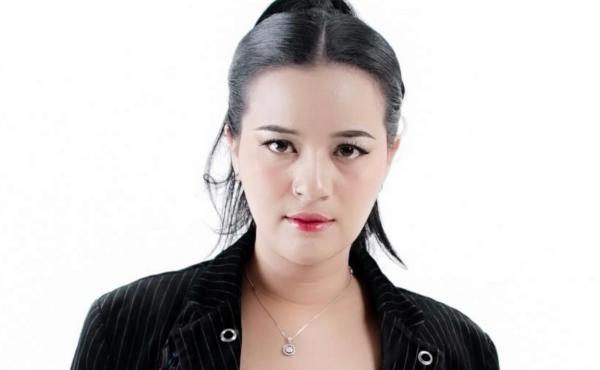
The intersection of public influence and social responsibility has once again come to the forefront as Indonesian celebrity and professional racer Sabrina Sameh announced her commitment to becoming a corneal donor. This decision, publicized via her personal Instagram account, highlights a growing trend of public figures using their platforms to advocate for medical philanthropy. By securing an official donor card from the Cicendo Eye Hospital in Bandung, Sameh has formalized her intent to donate her corneas posthumously to the Indonesian Eye Bank (PPMTI) of West Java, a move intended to restore sight to those suffering from corneal blindness.
The announcement serves as a pivotal moment in the ongoing national effort to destigmatize organ donation. For many in Indonesia, the concept of donating body parts after death is often clouded by cultural taboos, religious misconceptions, and general apprehension. Sameh, known primarily for her high-octane career in drag racing and her appearances in television dramas, admitted that her own perception of organ donation was initially one of fear. Her transition from skepticism to advocacy underscores the power of dialogue in shifting public health perspectives.
The Catalyst: A Dialogue on Humanity
The decision did not happen in isolation. Sameh revealed that the impetus for her registration was a candid conversation with musician and actor Eddi Brokoli. Brokoli, who has been a long-time advocate for various social and environmental causes, provided the necessary context to demystify the process. According to Sameh, the conversation transformed her perspective, turning what was once a "scary" concept into a tangible act of humanitarian service.
In the realm of public health, such peer-to-peer influence is often more effective than formal government awareness campaigns. By sharing her journey, Sameh effectively bridged the gap between complex medical procedures and the general public, framing the act of corneal donation not as a loss, but as a legacy of sight. The issuance of her donor card by the Cicendo Eye Hospital—a facility renowned for its specialized ophthalmology services—provides an official pathway for her commitment, ensuring that the donation will be handled with professional and ethical oversight when the time eventually comes.
Understanding Corneal Blindness and the Role of Eye Banks
To understand the weight of Sameh’s decision, one must look at the prevalence of corneal blindness in Indonesia. Corneal blindness is one of the leading causes of preventable vision loss in the country, often resulting from infections, trauma, or degenerative conditions. Unlike many other organ transplants, corneal transplants (keratoplasty) have a high success rate and can significantly improve the quality of life for recipients, allowing them to return to the workforce, pursue education, and engage in daily activities independently.
The PPMTI (Pusat Pelayanan Mata Terpadu Indonesia) or the Indonesian Eye Bank plays a critical role in this ecosystem. It acts as the intermediary between donors and patients, ensuring that the process of retrieval, preservation, and distribution meets stringent medical standards. However, the supply of available corneas consistently falls short of the demand. The World Health Organization (WHO) has long noted that the lack of public awareness and the shortage of donors are the primary hurdles in addressing global corneal blindness.
The Chronology of Commitment
While the public announcement was made recently, the process of becoming a donor involves several administrative and psychological steps.
- Initial Inquiry: The process often begins with an individual seeking information from regional eye banks or hospitals like Cicendo.
- Consultation: As seen in the case of Sameh, informal discussions with informed advocates often precede the official decision-making process.
- Registration: Donors must undergo a registration process where they provide consent and receive documentation.
- Card Issuance: The donor card serves as a legal and ethical testament to the donor’s wishes, which family members or medical personnel can reference upon the donor’s passing.
Sameh’s transition through these stages signifies a deliberate and informed choice. By publicly displaying her donor card, she has essentially invited her followers to participate in the same process, effectively acting as an ambassador for the West Java Eye Bank.
Societal Implications and the Power of Celebrity Advocacy
The impact of celebrities endorsing medical donation cannot be overstated. In Indonesia, where community leaders and public figures hold significant sway, such endorsements can drastically change the social discourse. Historical data suggests that when celebrities discuss sensitive topics—ranging from mental health to organ donation—search volumes for relevant services increase, and registration rates at NGOs and hospitals often see a temporary spike.

However, the challenge lies in sustaining this momentum. Advocacy is not a one-time event but a long-term commitment. Sameh’s influence as an athlete and artist brings a younger, more diverse demographic into the conversation—individuals who might otherwise never consider the implications of their own mortality in the context of helping others.
Addressing the Taboos
Despite medical advancements, the cultural resistance to organ donation remains a significant barrier in many parts of the world, including Indonesia. Concerns regarding bodily integrity and religious burial rites often prevent individuals from registering as donors. By openly discussing her initial fear, Sameh addresses these concerns head-on. She acknowledges the human instinct to fear the unknown, thereby validating the feelings of her audience while simultaneously offering a rational, altruistic solution.
The professional tone of the Cicendo Eye Hospital’s involvement adds a layer of credibility that is essential for such programs. By ensuring the process is medicalized, transparent, and legally sound, the hospital mitigates fears that the donation process might be mishandled or disrespected.
Statistical Context: The Demand for Donors
Current global statistics indicate that millions of people are waiting for corneal transplants. In Indonesia, the disparity between the number of people on waitlists and the number of available corneas is a persistent issue. A single donor can potentially restore sight to two people, as both corneas can be harvested and transplanted individually. This "two-for-one" impact makes corneal donation one of the most efficient forms of organ donation.
Public health analysts argue that if even a small percentage of the population were to follow in the footsteps of figures like Sabrina Sameh, the waitlist for corneal transplants could be reduced significantly within a decade. The multiplier effect of such actions is profound; every successful transplant contributes to a more productive society, reducing the burden on social services and healthcare systems.

Looking Ahead: The Future of Organ Donation in Indonesia
As Indonesia continues to modernize its healthcare infrastructure, the focus is shifting toward preventative care and the revitalization of national organ registry programs. The involvement of the Indonesian Eye Bank of West Java in high-profile cases highlights a strategy of leveraging public figures to normalize donation.
Furthermore, the integration of digital platforms, such as Instagram, in promoting these causes represents a modern approach to public service. In the past, such information was confined to hospital pamphlets or infrequent news segments. Today, an Instagram post can reach hundreds of thousands of people instantly, providing a direct link to information and registration portals.
For Sabrina Sameh, the journey from a conversation with a friend to becoming a registered donor represents a personal growth trajectory that she has invited the public to witness. Whether or not this leads to a surge in registrations remains to be seen, but the qualitative shift in the conversation is undeniable. By transforming a private decision into a public message, Sameh has contributed to the broader narrative of empathy and service that is essential for a compassionate society.
Conclusion: A Legacy of Sight
The commitment made by Sabrina Sameh is more than just an Instagram post; it is a profound declaration of intent that challenges the status quo. In a world where public figures are often criticized for the superficiality of their social media presence, this act of altruism stands as a beacon of genuine community contribution.
As the medical community continues to work toward reducing the incidence of preventable blindness, the role of the individual donor remains the most critical variable. Through her partnership with the Cicendo Eye Hospital and her willingness to be vulnerable about her past fears, Sameh has provided a roadmap for others to follow. Ultimately, the gift of sight is one of the most enduring legacies an individual can leave behind, and for the recipients of such a gift, the impact is nothing short of life-changing. The story of Sabrina Sameh and Eddi Brokoli serves as a powerful reminder that sometimes, a single conversation is all it takes to change the course of a life—or in this case, to restore the vision of two others in the future.
