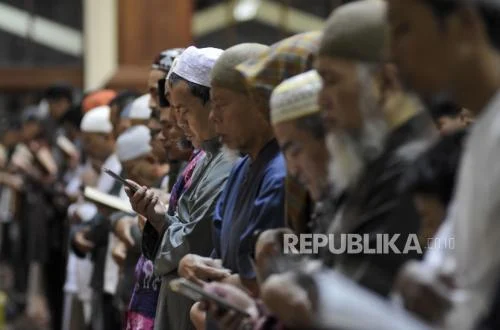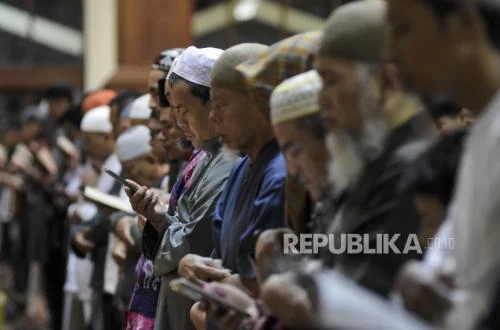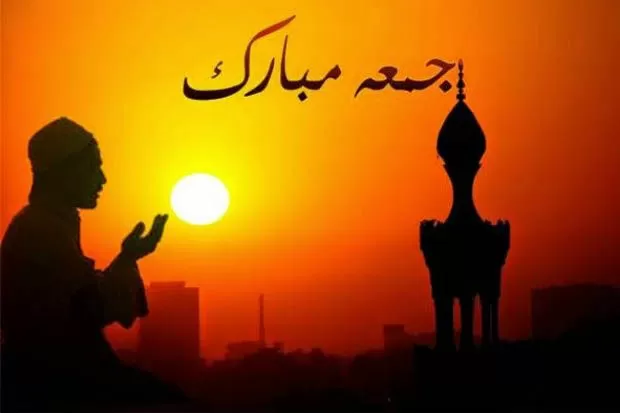
Friday, widely recognized in Islamic tradition as Sayyidul Ayyam or the master of all days, holds a position of immense spiritual prominence for Muslims worldwide. While standard observances such as congregational prayers, communal gatherings, and the recitation of Surah Al-Kahf are widely practiced, various historical texts and scholarly traditions outline specific, lesser-known acts of devotion. These hidden or frequently overlooked Sunnah practices carry remarkable spiritual merits, offering adherents unique opportunities for divine reward. Rooted in classical Islamic literature, such as the teachings compiled in works like Al-Mawa’izh Al-‘Usfuriyah, these devotions emphasize physical purification, focused prayer, and specific invocations designed to elevate the spiritual standing of the believer.
Background and Context of Friday Observances in Islam
The significance of Friday extends far beyond the weekly congregational prayer, known as Jummah. Historically, Islamic jurisprudence and prophetic traditions designate Friday as a weekly festival for believers, characterized by specific hygiene rituals, heightened spiritual awareness, and communal solidarity. In early Islamic history, the day served as a focal point for both social cohesion and intensive spiritual reflection. Scholars note that while standard practices like performing regular ablutions and wearing clean garments are customary, the inclusion of supplementary prayers and specific remembrances serves to deepen the connection between the individual and the divine.
In contemporary times, understanding these supplementary practices allows modern practitioners to reconnect with the deeper, more meticulous traditions of early generations. The revival of these lesser-known Sunnah acts offers a structured pathway for personal spiritual growth, transforming a standard weekly routine into an immersive exercise in devotion and mindfulness.
Chronology of Friday Rituals: A Step-by-Step Spiritual Timeline
To fully appreciate the scope of Friday devotions, Islamic scholars outline a specific chronological framework that begins at dawn and concludes following the completion of the congregational prayer. This structured timeline helps believers maximize the blessings associated with the day.
The morning hours typically commence with personal purification and hygiene, setting a distinct tone for the day. As the sun reaches its zenith, preparations for the congregational prayer begin, involving travel to the mosque and preliminary voluntary prayers. Following the sermon and the Jummah prayer itself, the afternoon is dedicated to supplemental supplications and transitioning back into daily commerce and personal affairs. This chronological progression ensures that every phase of Friday is imbued with purposeful worship, aligning daily actions with prophetic precedents.
Detailed Examination of Lesser-Known Friday Practices
Among the numerous recommendations found within classical texts, four specific practices stand out due to their profound spiritual implications and the detailed rewards associated with them in scholarly traditions.
1. The Comprehensive Merits of Friday Ablution (Mandi Jumat)
While physical cleanliness is a fundamental requirement for attending Friday prayers, ritual bathing (ghusl) carries distinct spiritual dimensions. According to traditions narrated by Ubaidah bin as-Shomit and documented in classical compendiums, the act of bathing with a sincere and good intention on Friday produces profound metaphysical effects.
Narratives suggest that the water touching the believer’s skin illuminates the body, transforming into a radiant light on the Day of Judgment. Furthermore, classical texts metaphorically describe Friday personifying itself as a figure bearing a heavenly crown to testify on behalf of the individual who maintained ritual purity, performed their prayers diligently, and listened attentively during the service. Additionally, walking to the mosque following this purification is equated in traditional texts to receiving the reward of a full year of fasting and nocturnal prayers for every step taken.
2. Illuminating Supplications Through Surah Al-Kahf in Prayer
The recitation of Surah Al-Kahf on Fridays is a well-established Sunnah; however, incorporating its recitation directly into the voluntary or obligatory cycles of prayer offers an elevated dimension of reward. Traditional accounts indicate that reciting this specific chapter during a two-rakat prayer on Friday establishes a metaphorical pillar of light extending from the local mosque all the way to the Sacred Mosque in Mecca, or from the Sacred Mosque to Al-Bayt Al-Ma’mur in the celestial realms. Within this column of light, angels continuously intercede and seek forgiveness for the worshiper throughout the week leading up to the following Friday.
3. Pre-Khutbah Devotions: The Four Rakat Sunnah
Another specialized practice involves performing a four-rakat prayer before the khatib ascends the pulpit to deliver the Friday sermon. Within each unit of this prayer, specific formulas—such as reciting expressions of praise and Surah Al-Ikhlas a designated number of times—are recommended. According to traditional expositions, completing this sequence fulfills the spiritual rights of Friday in a manner mirroring the devotion of angels, ensuring that the practitioner retains a clear vision of their destination in paradise before the conclusion of their earthly life.
4. Post-Jummah Supplication and Spiritual Recompense
Upon the conclusion of the congregational prayer, as individuals disperse to resume their daily responsibilities, specific supplications are prescribed. A notable prayer recited upon leaving the mosque acknowledges the fulfillment of divine obligations and asks for sustenance derived from divine grace, referencing verses related to dispersing in the earth after prayer. Reciting this specific formula is traditionally associated with receiving the equivalent reward of two centuries of consistent worship.
Official Responses and Scholarly Perspectives
Islamic religious authorities and contemporary scholars consistently emphasize the importance of balancing mandatory obligations with recommended Sunnah practices. Representatives from major Islamic educational institutions note that while acts like the Friday bath and the recitation of Surah Al-Kahf are universally encouraged, secondary narrations concerning specific numerical counts of prayers or hyper-specific rewards should be understood within the broader framework of encouraging good deeds.
Scholarly consensus maintains that engaging in these devotions fosters discipline, community cohesion, and heightened God-consciousness (taqwa). Religious leaders urge congregations to view these practices not merely as mechanical routines for accumulating spiritual credit, but as transformative exercises that refine moral character and reinforce social bonds within the Muslim community.
Broader Impact and Sociological Implications
The observance of comprehensive Friday rituals exerts a notable influence on community life and individual psychology. Sociologically, the collective gathering reinforces a sense of shared identity and mutual support among community members. The emphasis on cleanliness, punctuality, and respectful behavior within the mosque elevates public standards of etiquette and civic responsibility.
Psychologically, dedicating Friday to structured spiritual renewal provides individuals with a structured respite from the pressures of weekly work and economic pursuits. This intentional pause encourages mental clarity, emotional reset, and a reinforced commitment to ethical behavior in personal and professional spheres. By integrating these lesser-known practices into weekly routines, believers not only adhere to historical traditions but also cultivate a sustained framework for personal integrity and community well-being in modern society.