
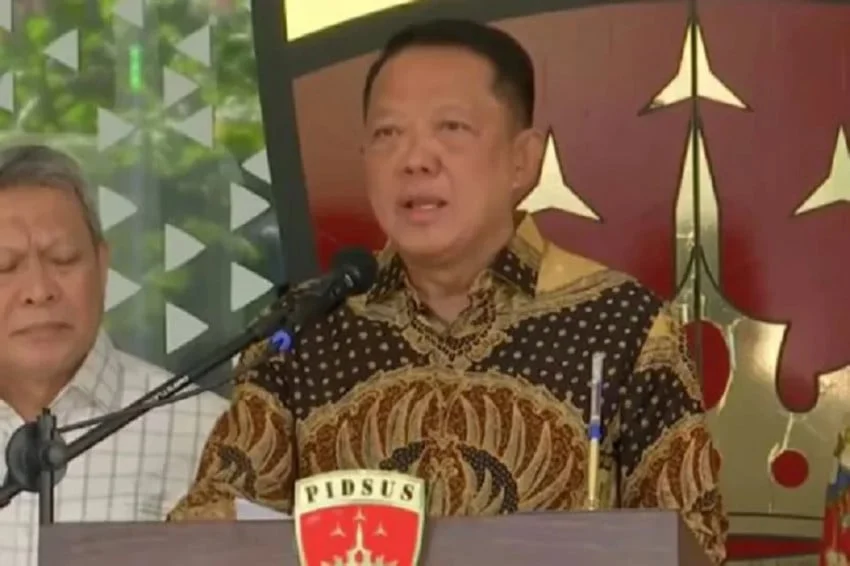
JAKARTA – In a significant development that has raised questions about due process and legal procedures, former Deputy Attorney General for Special Crimes (Jampidsus), Febrie Adriansyah, has reportedly been named a suspect in three separate corruption and money laundering cases. These cases allegedly involve procurement irregularities within PT Perusahaan Listrik Negara (PLN), PT Asabri (Persero), and PT Krakatau Steel (Persero) Tbk. Notably, sources indicate that the designation as a suspect occurred without Mr. Adriansyah being formally summoned or examined as a witness in relation to these allegations. This procedural aspect has drawn sharp criticism from legal experts, who argue it may contravene established constitutional principles and the Indonesian Criminal Procedure Code (KUHAP).
Legal Scrutiny Over Suspect Designation
The designation of Mr. Adriansyah as a suspect without prior examination has ignited a debate among legal scholars and practitioners regarding the adherence to fundamental legal principles. Professor Suparji Ahmad, a distinguished Professor of Law at Universitas Al Azhar Indonesia (UAI), has voiced strong concerns about the legality of such a procedure.
"If it is indeed true that an individual has been named a suspect without ever being summoned and examined regarding the alleged criminal acts, then this suspect designation has the potential to be in conflict with the Constitutional Court’s Decision Number 21/PUU-XII/2014 and the principle of due process of law as stipulated in the new KUHAP," Professor Suparji stated to journalists on Saturday, July 18, 2026.
Professor Suparji emphasized that robust law enforcement extends beyond merely identifying perpetrators of criminal acts. It fundamentally requires ensuring that every procedure is executed in accordance with the constitution and the principles of a state governed by law. Therefore, he asserts that naming an individual as a suspect without first summoning and examining them is unacceptable.
The legal basis for Professor Suparji’s assertion is not solely rooted in the Criminal Procedure Code (KUHAP) but also in the Constitutional Court’s Decision Number 21/PUU-XII/2014, which is considered final and binding. The Constitutional Court, in its deliberation and legal considerations, interpreted the phrases "preliminary evidence," "sufficient preliminary evidence," and "sufficient evidence" to mean at least two valid forms of evidence, coupled with an examination of the potential suspect before they are officially designated as a suspect. This interpretation underscores the importance of affording individuals an opportunity to clarify allegations and present their defense before facing the formal status of a suspect.
Background of the Alleged Cases
The three cases in which Mr. Adriansyah has reportedly been named a suspect are significant and involve large state-owned enterprises (SOEs) with substantial financial implications.
1. PLN Coal Procurement Case: This case purportedly centers on alleged corruption and money laundering related to the procurement of coal for PT PLN, the state electricity company. Historically, PLN has been a major consumer of coal, and its procurement processes have, at times, faced scrutiny due to the sheer volume of transactions and the potential for irregularities. Allegations could range from inflated prices, non-compliance with tender procedures, to conflicts of interest in the selection of suppliers. The scale of PLN’s operations means that any impropriety in its procurement can have far-reaching economic consequences, impacting energy prices and national stability.
2. PT Asabri (Persero) Case: PT Asabri is a state-owned enterprise that manages social security and pension funds for Indonesian military and police personnel. This entity has been embroiled in major corruption scandals in recent years, involving massive investment losses and alleged embezzlement. The reported involvement of Mr. Adriansyah in a corruption and money laundering case related to Asabri suggests a connection to the broader investigation into its mismanagement. Previous investigations into Asabri have uncovered complex webs of financial manipulation, involving fictitious investments and the siphoning of funds intended for the welfare of military and police personnel.
3. PT Krakatau Steel (Persero) Tbk Case: PT Krakatau Steel is a prominent state-owned steel producer. Corruption allegations in procurement or operational matters within such a large industrial entity could involve issues such as the acquisition of raw materials, equipment procurement, or the sale of its products. The economic significance of Krakatau Steel to Indonesia’s industrial sector makes any corruption allegations against it a matter of national concern, potentially affecting its competitiveness and ability to contribute to economic development.
The interconnectedness of these cases, involving multiple high-profile SOEs, suggests a potential pattern of alleged misconduct or a systemic issue within the procurement and financial management of these entities. The designation of a former Jampidsus, a high-ranking official within the Attorney General’s Office responsible for prosecuting special crimes, as a suspect in these matters adds a layer of complexity and public interest.
Timeline and Procedural Discrepancies
While specific dates for the designation and the alleged underlying criminal acts are not fully detailed in the initial reports, the timeline presented raises critical questions. The fact that Mr. Adriansyah was reportedly named a suspect without prior examination implies a departure from standard investigative protocols.
Normally, an investigation leading to a suspect designation would involve several stages:
- Information Gathering: Initial reports or intelligence indicating potential wrongdoing.
- Preliminary Investigation: Gathering preliminary evidence to ascertain whether a crime has likely occurred.
- Witness Examinations: Interviewing individuals who may have relevant information, including potential suspects in a witness capacity. This stage allows for clarification and the presentation of initial defenses.
- Evidence Strengthening: Collecting further evidence to meet the threshold of "sufficient evidence" for a suspect designation.
- Suspect Designation: Formally naming an individual as a suspect based on sufficient evidence.
- Formal Examination of Suspect: Conducting a detailed interrogation of the suspect, providing them with an opportunity to present their defense and respond to specific allegations.
The reported bypass of the witness examination phase, where an individual is questioned to clarify their involvement or lack thereof, is particularly concerning. This step is crucial in ensuring fairness and adhering to the principle that individuals should be heard before being formally accused. The Constitutional Court’s decision cited by Professor Suparji explicitly mandates this prior examination as a prerequisite for suspect designation, reinforcing the due process requirements.
The assertion that Mr. Adriansyah’s legal counsel indicated he had resigned and was therefore “cooperative” suggests a complex legal maneuver. Resignation from a position, while potentially a sign of accountability, does not automatically absolve an individual of criminal liability. Furthermore, the concept of cooperation in legal proceedings typically involves active participation in investigations, including responding to summons and providing testimony.
Broader Implications and Analysis
The implications of this development are multifaceted and extend beyond the individual cases.
1. Erosion of Public Trust: The integrity of the justice system is paramount. When high-ranking officials or individuals within law enforcement are implicated in corruption, or when their own legal processes are questioned, it can significantly erode public trust in the institutions responsible for upholding the law. The perception that legal procedures might be circumvented, even for high-profile individuals, can foster cynicism and doubt.
2. Impact on Law Enforcement Integrity: The Attorney General’s Office, particularly the Special Crimes division (Jampidsus), plays a critical role in combating corruption and economic crimes. Allegations of procedural impropriety in cases involving former high-ranking officials can cast a shadow over the credibility and effectiveness of the entire institution. It raises questions about internal oversight and adherence to legal standards within the prosecution body itself.
3. Reinforcement of Due Process Principles: Conversely, this situation also serves as a critical test case for the application of due process principles in Indonesia. The Constitutional Court’s ruling, if upheld and consistently applied, provides a vital safeguard against arbitrary suspect designations. Legal experts and civil society organizations will likely be closely watching how this case unfolds to ensure that constitutional rights are protected.
4. Precedent for Future Investigations: The manner in which this case is handled could set a significant precedent for future criminal investigations in Indonesia, particularly concerning allegations against former or current government officials and employees of state-owned enterprises. A rigorous and procedurally sound investigation will strengthen the rule of law, while any deviation could weaken it.
5. Scrutiny of SOE Governance: The recurring mention of corruption in SOEs like PLN, Asabri, and Krakatau Steel highlights ongoing challenges in corporate governance and oversight within these critical economic entities. These cases underscore the need for robust internal controls, transparent procurement processes, and effective accountability mechanisms to prevent the leakage of public funds and maintain the financial health of these vital national assets.
Official Responses and Next Steps
As of the reporting date, specific official statements from the Indonesian National Police (Polri) detailing the evidence and grounds for the suspect designation, beyond the initial announcement, have not been widely disseminated. Similarly, the Attorney General’s Office has not issued a comprehensive statement regarding the implications of its former Jampidsus being named a suspect, especially concerning the procedural aspects raised by legal experts.
The legal team representing Mr. Febrie Adriansyah has reportedly stated that he has resigned from his position, implying a degree of cooperation or acknowledgment. However, the specifics of his engagement with the ongoing investigations, including any voluntary statements or cooperation beyond his resignation, remain unclear.
The unfolding of these cases will likely involve further legal proceedings, including potential appeals, examinations, and court hearings. The outcome will not only determine the guilt or innocence of the individuals involved but also contribute to the broader discourse on legal reforms, institutional accountability, and the unwavering commitment to due process within Indonesia’s justice system. The public will be keen to see a transparent and procedurally fair resolution that upholds the principles of justice and the rule of law for all citizens.
