
In a high-stakes episode of geopolitical brinkmanship, former United States President Donald Trump reportedly authorized and subsequently aborted a military strike against Houthi forces in Yemen on September 20, 2026. The operation, which had reached the final stages of logistical preparation—including the loading of munitions onto strike aircraft—was scrubbed at the eleventh hour, highlighting the volatile nature of decision-making within the executive branch regarding Middle Eastern security architectures. This incident, brought to light by reports from The New York Times, underscores the complex interplay between U.S. foreign policy objectives and the entrenched alliances that define the regional power struggle in the Arabian Peninsula.
The Chronology of the Aborted Operation
The sequence of events leading up to the canceled strike reveals a rapid shift in strategic posture within the White House. Sources familiar with the internal deliberations indicate that during a security meeting on Wednesday, September 16, 2026, President Trump initially expressed deep skepticism toward direct military intervention in Yemen. Having long advocated for a policy of "America First" and a reluctance to engage in "endless wars," Trump’s initial stance reflected a desire to avoid further entanglement in the protracted Yemeni civil war.
However, the diplomatic landscape shifted significantly within 24 hours. Following a telephone conversation with Saudi Crown Prince Mohammed bin Salman (MBS), the President’s position underwent a dramatic reversal. The Crown Prince, facing mounting pressure as Houthi forces advanced rapidly into key territories previously held by the Saudi-backed Yemeni government, urged the United States to intervene. By Thursday, September 17, the Pentagon had been issued a direct order to prepare a list of high-value targets within Houthi-controlled zones.
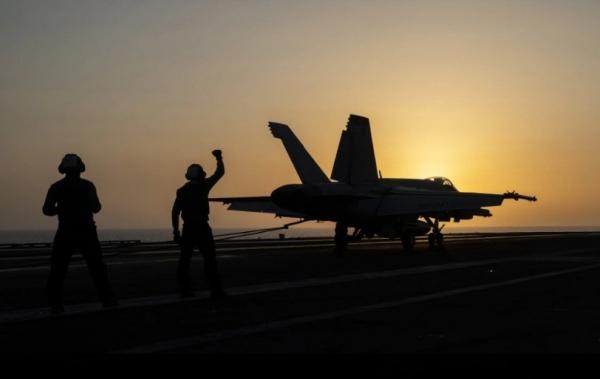
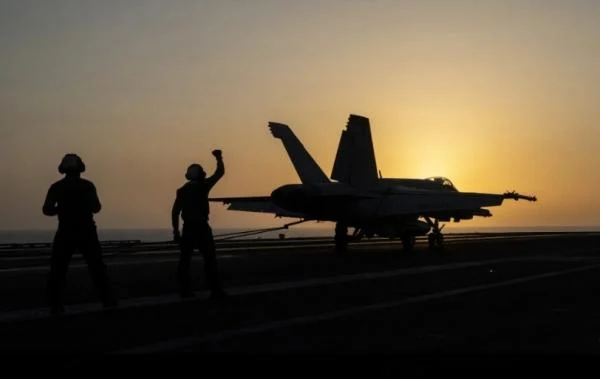
Military commanders moved with urgency to comply with the directive. By the weekend, the operational tempo had intensified; maintenance crews at regional airbases were captured on record loading specialized munitions onto tactical fighter jets. The operation, planned for Sunday, September 20, was intended to curb the Houthi momentum and serve as a demonstration of American support for its Saudi allies. Yet, as the final authorization was sought, Trump opted to rescind the order, leaving the military mission in a state of sudden suspension.
Contextualizing the Houthi Insurgency
The Houthis, officially known as Ansar Allah, have been engaged in a brutal civil conflict in Yemen since 2014. Their rise to prominence began when they seized control of the capital, Sana’a, prompting an intervention by a Saudi-led coalition in 2015. For over a decade, the conflict has been characterized by a humanitarian catastrophe, characterized by the United Nations as one of the world’s worst, with millions facing famine and a total collapse of public infrastructure.
The recent escalation that triggered the potential U.S. strike was a direct response to a territorial shift. Houthi forces had successfully pushed into regions deemed vital to the Saudi-backed administration, threatening the fragile status quo that had been established following years of international mediation. The Houthis’ ability to sustain offensive operations, often utilizing sophisticated drone and missile technology, has long been a source of contention between Washington and Riyadh. While Saudi Arabia has consistently lobbied for greater U.S. involvement, the White House has periodically favored back-channel diplomacy, as evidenced by reports of clandestine meetings between U.S. envoys and Houthi officials aimed at finding a negotiated political settlement.
Diplomatic Strain and Regional Security
The tension between the impulse for military intervention and the preference for diplomatic engagement reflects a broader dilemma in U.S. foreign policy. On one hand, the United States maintains a strategic security partnership with Saudi Arabia, viewing the Kingdom as a vital counterweight to Iranian influence in the region. The Houthis are widely regarded by the West as being aligned with, and supported by, the Islamic Republic of Iran, making the conflict a proxy theater for wider regional rivalries.

Conversely, there is significant domestic fatigue in the United States regarding military operations in the Middle East. The prospect of a new, open-ended strike campaign against a non-state actor like the Houthis invites risks of escalation, not only with the group itself but potentially with their external backers. The United Nations Security Council had already expressed alarm just days prior, issuing a formal condemnation of Houthi attacks on Saudi territory, signaling the international community’s growing anxiety over the regional spillover of the Yemeni conflict.
Implications of the Last-Minute Stand-Down
The decision to cancel the strike, while perhaps preventing an immediate escalation of hostilities, leaves several critical questions regarding U.S. policy in the Middle East. Analysts suggest that the abruptness of the cancellation might signal a lack of internal consensus among the President’s national security advisors. It also risks complicating the U.S.-Saudi relationship, as the Kingdom likely viewed the impending strike as a concrete commitment to their security.
Furthermore, the public nature of the preparation and subsequent cancellation provides the Houthis with a propaganda victory. By showcasing the U.S. military’s readiness to strike and its failure to follow through, the group can frame the incident as a demonstration of their resilience against perceived "imperialist pressure." For the United States, the event serves as a stark illustration of the volatility that continues to characterize the regional landscape.
Broader Geopolitical Analysis
The incident also highlights the influence of individual diplomatic relationships on national military strategy. The direct line of communication between the Saudi Crown Prince and the U.S. President has historically allowed for rapid policy shifts, but as this event demonstrates, such personal diplomacy can lead to erratic military maneuvers. When military planning is tethered to the fluctuating sentiments of high-level telephone calls, the coherence of strategic objectives can suffer.

Moreover, the U.S. reliance on tactical strikes to manage complex civil wars has been a subject of intense debate in Washington. Critics argue that such strikes rarely achieve long-term stability and instead serve to harden the resolve of insurgent groups while deepening the humanitarian toll. The fact that the U.S. has engaged in secret diplomacy—sending envoys to meet with Houthi representatives—indicates an acknowledgment within the intelligence community that the conflict cannot be resolved solely through kinetic military action.
The Path Forward
As of this writing, the situation remains fluid. While the specific strike scheduled for September 20 has been abandoned, the underlying grievances and territorial disputes that led to the plan remain unresolved. The Houthi expansion continues to pose a direct challenge to the Saudi-backed government, and the international community remains divided on the best path to peace.
The cancellation of the operation may provide a temporary window for renewed diplomatic efforts. If the U.S. administration intends to pivot away from military options, it must do so by articulating a clear, sustainable policy that addresses the root causes of the Yemeni civil war. This would require moving beyond the reactive "strike-or-no-strike" decision-making model and engaging in a comprehensive strategy that involves regional stakeholders and international mediators.
Ultimately, the aborted strike serves as a cautionary tale of the dangers of fragmented foreign policy. In an era where regional conflicts are increasingly globalized, the ability of world powers to exercise restraint and strategic foresight is paramount. Whether this moment of pause leads to a breakthrough in peace negotiations or merely precedes a more intense cycle of violence remains to be seen. For now, the global eye remains fixed on the Horn of Africa and the Arabian Peninsula, where the consequences of these high-level decisions continue to be felt by millions on the ground.
