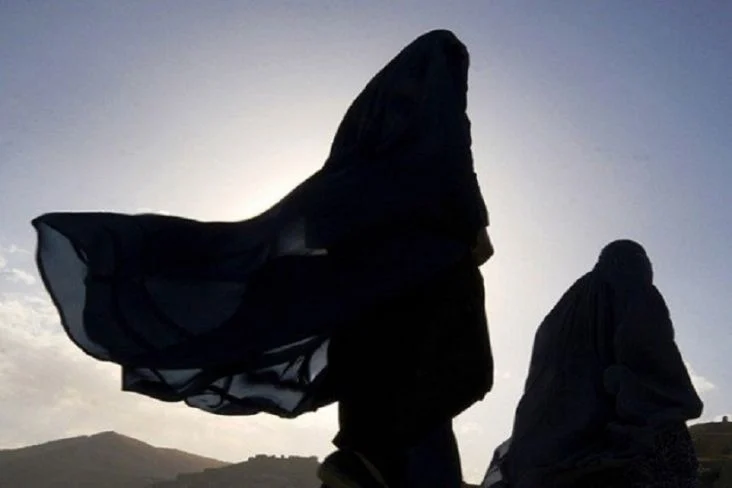
The concept of "Hijrah"—traditionally defined in Islamic history as the migration of the Prophet Muhammad from Mecca to Medina—has evolved in modern discourse to represent a spiritual migration. It is frequently misinterpreted as a singular event marked by a change in outward appearance or social circles. However, theological experts and religious scholars emphasize that Hijrah is not merely a terminal point or a milestone to be achieved, but an ongoing, lifelong process. It is a continuous internal and external transformation that necessitates divine guidance (hidayah), support (taufiq), and the perpetual grace of Allah until the final moments of a believer’s life.
Defining the Spiritual Migration
At its core, Hijrah is the conscious, intentional act of abandoning behaviors, environments, and mindsets that contradict the values of one’s faith, moving toward a lifestyle defined by proximity to the Divine. In the contemporary context, the term is often popularized through social media and community movements, sometimes focusing disproportionately on the aesthetic aspects of piety. However, scholarly consensus maintains that the essence of Hijrah lies in the heart’s orientation.
When an individual successfully transitions from a life characterized by heedlessness to one of discipline—evidenced by consistent prayer, the pursuit of religious knowledge, and the steadfast avoidance of prohibited acts—this is not merely a product of human willpower. It is classified as a significant spiritual gift. The ability to remain "istiqamah" (steadfast) in the face of modern temptations is considered a blessing that requires divine intervention, commonly referred to as hidayah.
The Theological Foundation of Hidayah
The reliance on divine guidance is rooted in foundational Islamic texts. One of the most cited references regarding this dependence is a Hadith Qudsi, a narration in which the Prophet Muhammad conveys words directly attributed to Allah. The text states: "O My servants, all of you are astray except for those whom I have guided, so seek guidance of Me and I shall guide you." (Reported by Muslim).
This narrative serves as a critical theological framework. It posits that human capacity is inherently limited and prone to error. The implication is that any move toward righteousness is fundamentally facilitated by the Creator opening the path for the servant. Without this intervention, human effort alone is insufficient to maintain a state of spiritual consistency. Consequently, the humility required to acknowledge this dependency is seen as the first step in a successful journey of transformation.
Chronology and Evolution of the Concept
Historically, the concept of Hijrah began in 622 CE, a watershed moment that marked the transition from persecution in Mecca to the establishment of a foundational community in Medina. This physical migration changed the trajectory of early Islamic history. Over the centuries, the concept transitioned from a literal requirement of relocation to a metaphorical requirement of spiritual reformation.
In the 21st century, the digital age has accelerated the "Hijrah movement," particularly in Southeast Asia. The past decade has seen a surge in youth-led initiatives, study circles (majelis taklim), and lifestyle changes that emphasize moral clarity. However, sociologists studying religious trends note that this modern "Hijrah" is subject to a phenomenon known as "spiritual burnout." Many individuals who embrace significant changes in their lifestyle early on struggle to maintain that momentum over the long term. This reality underscores the theological assertion that Hijrah is a journey, not a destination.
Supporting Data and Sociological Context
Data from religious research centers in Indonesia and Malaysia suggests that while the number of people identifying with the "Hijrah" movement has increased by approximately 25% over the last five years, retention remains a challenge. Surveys conducted within urban Muslim communities indicate that the primary reasons for "falling off" or losing interest in religious practice are a lack of deep understanding and a reliance on peer pressure rather than internal conviction.
This data supports the argument that Hijrah must be grounded in continuous learning. When the movement is treated as a cultural trend rather than a theological commitment, it is more susceptible to the fluctuations of social sentiment. The necessity of "taufiq"—the ability of the heart to align with the truth—is highlighted as the missing link between initial enthusiasm and long-term religious persistence.
Perspectives from Religious Authorities
Religious leaders and scholars often advise that those embarking on a journey of change should avoid the "perfectionist trap." By viewing Hijrah as a lifelong process, individuals are encouraged to practice self-compassion while maintaining high standards of conduct.
"The most beloved deeds to Allah are those that are consistent, even if they are small," is a recurring sentiment among preachers who counsel new converts or those returning to faith. This perspective serves as a counter-narrative to the pressure often found in digital spaces, where influencers may inadvertently portray Hijrah as a sudden, flawless transformation. Official religious bodies, such as the Indonesian Council of Ulama (MUI), have periodically released statements urging the public to approach religious change with patience, wisdom, and an emphasis on inclusivity rather than judgment.
Analysis: Implications for Modern Society
The implications of understanding Hijrah as a lifelong journey are profound. Firstly, it fosters a more compassionate community. If one recognizes that their own adherence to faith is a gift of divine guidance rather than a personal merit badge, it naturally reduces arrogance and the tendency to judge others. This is essential in a polarized digital environment where "religious gatekeeping" can alienate those who are struggling to find their way.
Secondly, it provides a psychological buffer against failure. If Hijrah is viewed as a marathon rather than a sprint, minor setbacks or "slips" in behavior are treated as learning opportunities rather than reasons to abandon the faith entirely. This resilience is vital for the mental health of practitioners who operate in secular environments that often conflict with their values.
Finally, the emphasis on constant supplication for guidance—as encouraged in the Hadith Qudsi—shifts the focus from self-reliance to a relationship with the Divine. In an era that celebrates individualism, the act of seeking guidance is a radical, humbling acknowledgment of human limitation.
Sustaining the Journey
Maintaining a path of spiritual growth requires more than initial motivation; it requires a structured approach to life. Experts suggest three pillars for those seeking to navigate this journey:
- Continuous Education: Seeking knowledge from authentic sources to ensure that practice remains grounded in tradition rather than superficial trends.
- Community Support: Surrounding oneself with individuals who provide accountability and encouragement rather than social pressure.
- Internal Reflection: Regularly assessing one’s intentions to ensure that acts of worship are performed for the sake of the Divine rather than for social validation.
In conclusion, the discourse surrounding Hijrah has moved beyond the historical accounts of migration into a personal, internal experience of growth. While the external changes—the clothing, the social circles, the daily habits—are visible markers, the true substance of Hijrah remains hidden in the relationship between the individual and their Creator. It is a path marked by the need for divine support, the necessity of humility, and the recognition that every day presents a new opportunity to turn toward a higher purpose. The journey does not end with a change in lifestyle; it begins there, continuing through the challenges and triumphs of life until the end of one’s days.