The recent series of coordinated drone strikes targeting Saudi Arabia’s critical East-West pipeline, widely known as the Petroline, has sent shockwaves through global energy markets, forcing Riyadh to temporarily suspend operations as a precautionary measure. The assault, which impacted pumping stations within the regions of Riyadh and Medina, marks a significant escalation in regional tensions, highlighting the extreme vulnerability of energy infrastructure in the Middle East. While the Saudi Ministry of Energy was quick to initiate emergency protocols and technical inspections to secure the facility, the incident has brought the fragility of global oil supply chains into sharp relief, particularly concerning the transit routes that bypass the volatile Strait of Hormuz.
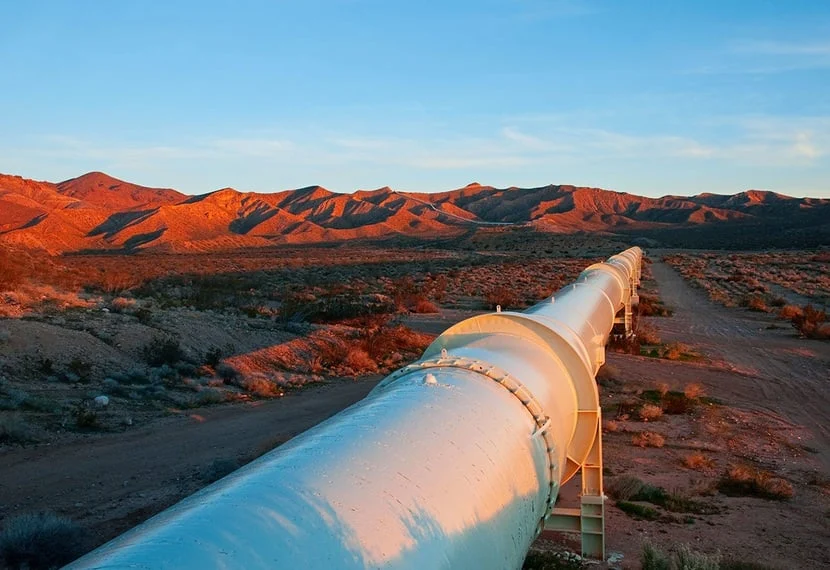
The East-West Pipeline stands as a cornerstone of Saudi Arabia’s export strategy. Spanning approximately 1,200 kilometers (745 miles), the massive infrastructure project connects the sprawling oil fields and processing plants in the Eastern Province—most notably the Abqaiq complex—to the port of Yanbu on the Red Sea coast. By enabling the direct transfer of crude oil from the Persian Gulf side of the kingdom to the Red Sea, the Petroline provides an indispensable alternative route for international shipments. In an era defined by geopolitical friction between the United States and Iran, the ability to avoid the Strait of Hormuz—a narrow waterway through which a significant portion of the world’s daily oil production passes—is not merely an operational convenience; it is a strategic imperative for the kingdom.
Chronology of the Incident and Immediate Response
The timeline of the disruption began on a Thursday morning when multiple unmanned aerial vehicles (UAVs) executed a precision strike against key segments of the Petroline. The Saudi Ministry of Energy confirmed that the attacks resulted in localized damage to pumping stations. By Friday, authorities officially announced the suspension of operations. The Saudi Press Agency (SPA) reported that emergency technical teams were immediately deployed to assess the structural integrity of the pipeline and to initiate repairs.
The Saudi Ministry of Foreign Affairs subsequently issued a statement attributing the strikes to hostile actors, noting that the drones were launched from a direction consistent with Iraqi territory, though the Houthi movement in Yemen—which has previously claimed responsibility for similar long-range drone attacks on Saudi facilities—remains a primary focal point of the investigation. The Ministry confirmed that the attacks caused both material damage and physical injuries, though it refrained from providing a granular breakdown of the casualty count or the specific extent of the damage sustained by the pumping infrastructure.
Technical Capacity and Market Misconceptions
One of the most critical aspects of the market reaction to the pipeline suspension was the confusion regarding volume. Initial reports cited the Petroline’s total capacity of 7 million barrels per day (bpd), leading some market analysts to fear a catastrophic shortfall in global supply. However, energy experts and the Saudi Ministry of Energy clarified that 7 million bpd represents the maximum theoretical throughput capacity of the system, not the actual daily export volume channeled through Yanbu at the time of the attack.
By distinguishing between maximum capacity and actual operational flow, analysts have sought to dampen speculative surges in oil prices. Even so, the psychological impact on the market remains profound. The suspension forced buyers to reconsider the stability of Saudi energy exports, which account for a significant share of the global crude market. Because the Petroline is a major artery for light crude exports destined for Europe and North America, any extended downtime forces tankers to revert to the traditional route via the Strait of Hormuz, thereby increasing transit times, insurance premiums, and geopolitical exposure.
Strategic Importance of the Petroline
The Petroline was originally commissioned in the early 1980s, primarily as a response to the Iran-Iraq War, which underscored the dangers of relying exclusively on the Persian Gulf. Over the decades, the system has undergone multiple upgrades, expanding its diameter and pumping capacity to serve as the kingdom’s primary "safety valve."
The pipeline system consists of two parallel lines. The original line, which had been converted to carry natural gas liquids (NGL) in the past, was repurposed to handle crude oil again to increase capacity. This dual-line system provides redundancy that is crucial during times of conflict. However, the reliance on drone technology to bypass traditional air defense systems presents a new challenge for the operators of such vast infrastructure. Unlike traditional military targets, a 1,200-kilometer pipeline presents a target-rich environment, making comprehensive defense an immense logistical hurdle.
Geopolitical Implications and Regional Stability
The attack on the Petroline is inextricably linked to the broader regional conflict involving the "Axis of Resistance." While the Houthis have consistently targeted Saudi assets in retaliation for the kingdom’s intervention in the Yemeni civil war, the sophistication of these drone strikes suggests an evolution in the capabilities of non-state actors. The use of long-range UAVs, which can evade conventional radar and strike deep within the Saudi interior, has fundamentally altered the threat landscape for all Gulf Cooperation Council (GCC) nations.
From a diplomatic perspective, the incident has compelled the international community to scrutinize the security of the global energy corridor. For nations like Japan, South Korea, and China—all of which are heavily dependent on Middle Eastern crude—the interruption of the Petroline serves as a warning that energy security is precarious. Observers in Washington and Brussels have expressed concerns that such attacks could force a premature escalation in regional military posture, particularly if the strikes are perceived as a direct challenge to international maritime and energy security.
Economic Impact and Energy Security
The immediate economic impact of the pipeline shutdown was reflected in the volatility of Brent and WTI crude futures. Traders, sensitive to any disruption in the world’s largest oil exporter’s logistics, reacted to the news with a sharp, albeit brief, uptick in prices. However, the long-term implications are centered on the cost of security. Saudi Arabia, along with its regional partners, has had to invest billions into sophisticated anti-drone and anti-missile systems, such as the Patriot and THAAD batteries, to protect critical infrastructure.
Moreover, the incident raises questions about the future of energy transit. As long as the Petroline remains vulnerable, the global market will continue to price in a "risk premium" for Saudi oil. If these attacks become a recurring feature of the regional conflict, it may accelerate discussions regarding the diversification of energy supply chains and the urgency of developing alternative routes that are even more insulated from geopolitical interference.
Looking Ahead: Restoration and Vigilance
As of the latest briefings, the Saudi Ministry of Energy has maintained a stance of cautious optimism regarding the restoration of the pipeline. The focus remains on securing the perimeter of the infrastructure and ensuring that the structural integrity of the pipes can withstand the pressure required for full-scale operations. The government has signaled that information regarding the resumption of flow will be provided as soon as technical assessments are finalized.
The incident serves as a stark reminder that in the 21st century, the front lines of conflict are not merely in the desert or on the battlefield, but along the critical veins of the global economy. The resilience of the Saudi energy sector is currently being tested, and the outcome of the repair operations will serve as a bellwether for how the region handles the nexus of energy and asymmetric warfare. Whether through intensified regional diplomacy or the deployment of advanced surveillance and defensive technology, the protection of the Petroline is now a matter of global economic stability.
Ultimately, the suspension of the East-West pipeline is more than a localized operational failure; it is a manifestation of the complex, interconnected nature of modern energy systems. As Saudi Arabia navigates this crisis, the global community will be watching closely, recognizing that the security of these 1,200 kilometers of steel pipe is, in many ways, synonymous with the stability of the global energy supply itself. The incident underscores the necessity for constant vigilance and the ongoing need for robust, multi-layered security frameworks to safeguard the infrastructure upon which the modern world relies.