The growing trend of motorcycle owners performing their own maintenance and modifications at home has brought both convenience and significant risks. While the desire to save on labor costs and gain a deeper understanding of one’s machine is commendable, the lack of professional training, specialized tooling, and adherence to technical specifications often leads to catastrophic mechanical failures. According to industry reports from manufacturers like Suzuki, improper assembly or disassembly of motorcycle components—ranging from engine internals to braking systems—frequently triggers a chain reaction of damage. This includes stripped bolt heads, oil leaks, accelerated component wear, and, in severe cases, total engine failure.
The Anatomy of Mechanical Failure: Why Precision Matters
Motorcycles are intricate machines characterized by highly integrated systems. The engine, fuel system, electrical harness, transmission, suspension, and braking assemblies operate in a delicate state of equilibrium. When a home mechanic attempts to service a single component without a comprehensive understanding of how that part interacts with the broader system, the margin for error is razor-thin.
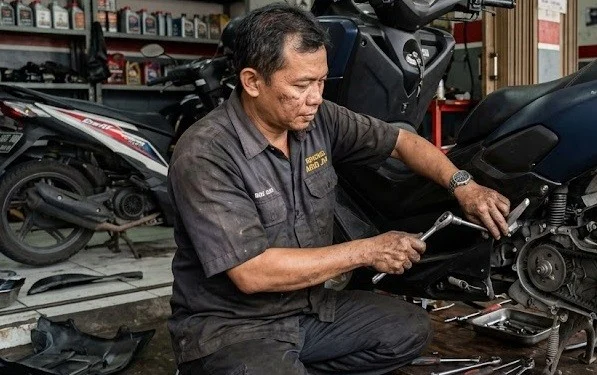
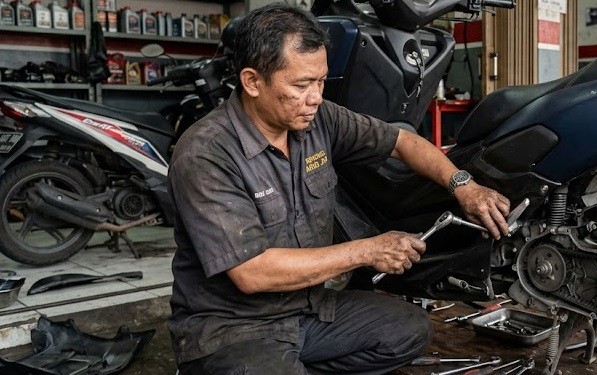
The most common point of failure identified by service technicians is the use of incorrect tools. A common misconception is that a basic wrench set is sufficient for all tasks. In reality, modern motorcycles utilize specific bolt grades and torque specifications. Using a standard wrench on a bolt designed for a specific hex or star-head drive often results in "rounding" the fastener. Once a bolt head is stripped, the extraction process becomes significantly more expensive, often requiring drilling, tapping, or the removal of entire engine covers, which drives up labor costs at a professional workshop far beyond the initial price of a routine service.
The Economics of DIY Repairs Versus Professional Service
Data from automotive consumer advocacy groups suggest that while DIY enthusiasts can save between 30% and 50% on labor costs for simple tasks like oil changes or air filter replacements, the financial risk of a botched repair is substantial. A professional mechanic operates under strict "service manual" guidelines, which dictate the exact sequence of bolt tightening, the use of specialized thread-locking compounds, and the application of precise torque values measured in Newton-meters (Nm).
When a home mechanic ignores these protocols, the consequences are multifaceted. For instance, over-tightening an oil drain bolt can crack the engine casing—a critical failure that may cost thousands of dollars to repair or replace. Conversely, under-tightening components such as the brake caliper bolts or drive chain adjusters can lead to life-threatening mechanical failures while the vehicle is in operation.
Chronology of Component Stress and Degradation
To understand why improper handling causes long-term damage, one must consider the operational environment of a motorcycle. Components are subjected to extreme heat cycles, constant vibration, and environmental exposure to moisture and debris.
- Initial Assembly (Factory Stage): Components are assembled in a controlled environment with calibrated equipment.
- First DIY Intervention (The Risk Point): An owner attempts to remove a part—often a spark plug, valve cover, or plastic fairing—without using the correct sequence or leverage.
- Micro-Damage Induction: Force is applied unevenly. A thread is cross-threaded, or a plastic tab is snapped. The damage may not be immediately visible.
- Operational Stress: Over the next 500 to 1,000 kilometers, the vibration of the engine causes the damaged thread to loosen or the stressed plastic to crack under thermal expansion.
- Systemic Failure: The bolt falls out, oil begins to seep, or the engine loses compression, leading to a breakdown.
The Role of Specialized Tooling
Professional workshops invest heavily in specialized tooling precisely because universal tools are rarely sufficient for modern engineering. This includes torque wrenches that provide an audible click when the manufacturer’s specified tension is reached, pullers for flywheel removal, and diagnostic software to interface with the motorcycle’s Electronic Control Unit (ECU).

Manufacturers emphasize that "force" is rarely the answer to a stuck component. In many instances, a seized bolt is the result of corrosion or chemical bonding between dissimilar metals (galvanic corrosion). A professional will apply penetrating oils and allow them time to work, or use heat induction to loosen the bond. An amateur, lacking the patience or the specific chemical agents, often applies brute force, which leads to sheared bolts that remain lodged inside the engine block.
Official Guidance from Industry Leaders
Leading manufacturers, including Suzuki, have repeatedly issued guidance urging owners to recognize their limitations. While routine maintenance—such as checking tire pressure, chain tension, and fluid levels—is encouraged for owners, internal mechanical work should be reserved for certified technicians.
In a recent industry advisory, service leads noted that many warranty claims are denied because diagnostic checks reveal that the vehicle was tampered with by unauthorized personnel. When a vehicle is serviced by a professional, the shop provides a work order and a guarantee of service. Conversely, a DIY repair creates a "gray area" where the root cause of a failure becomes difficult to determine, often leaving the owner solely responsible for the financial burden of the resulting repairs.
Broader Implications: Safety and Reliability
Beyond the financial cost, the primary concern regarding improper DIY maintenance is rider safety. A motorcycle is a single-track vehicle; it does not have the stability of a four-wheeled car. If a braking system fails due to an improperly bled master cylinder or a loose banjo bolt, the consequences can be fatal.

Furthermore, the environmental impact of improper disposal of used oil and chemical fluids by DIY mechanics remains a concern. Professional shops are regulated and equipped to recycle hazardous materials, ensuring that heavy metals and synthetic oils do not contaminate local water tables—a standard that individual homeowners frequently fail to meet.
Conclusion: When to Seek Professional Assistance
The culture of "wrenching" on one’s own motorcycle is a vital part of the motorcycling lifestyle, fostering a deeper connection between the rider and the machine. However, this passion must be balanced with the humility to recognize when a task exceeds one’s expertise or equipment.
The industry consensus remains clear: if a task involves the engine’s internal timing, the braking system’s hydraulic integrity, or the electrical system’s central computer, it is best left to those who have the diagnostic tools and the technical training to ensure the work is performed correctly. By investing in professional service for major repairs, owners not only preserve the resale value of their motorcycle but, more importantly, ensure that their machine remains a safe and reliable tool for the road ahead. For those determined to perform their own work, the first step should always be the acquisition of the official service manual for their specific make and model, rather than relying on anecdotal advice found in online forums. True mechanical proficiency is measured not by how much one can take apart, but by the ability to keep the machine performing at its peak through careful, informed, and documented maintenance.