The 16th edition of PALMEX Jakarta, a large-scale international palm oil technology exhibition, is scheduled to take place from May 6 to 7, 2026, at the Jakarta International Expo (JIEXPO), Kemayoran. This biennial event serves as a critical nexus for industry players, policymakers, and global investors to explore the latest technological advancements aimed at enhancing productivity, ensuring business resilience, and advancing the sustainability agenda within Indonesia’s vital palm oil sector. Organized by PT Fireworks Indonesia, the exhibition arrives at a pivotal moment for an industry undergoing significant transformation and facing evolving global demands.
Indonesia stands as the undisputed global leader in palm oil production and export. Together with neighboring Malaysia, these two Southeast Asian nations collectively account for more than 80% of the world’s total palm oil supply. This dominance underscores the immense economic and strategic importance of the commodity to Indonesia. However, unlike Malaysia, which predominantly exports its crude palm oil (CPO) and its derivatives, Indonesia also distinguishes itself as one of the largest domestic consumers of palm oil globally. This substantial internal demand is driven by its extensive use as an edible oil for food consumption, as well as a crucial raw material for various industrial applications, most notably in the burgeoning biofuel sector.
Indonesia’s Strategic Focus on Downstreaming and Biofuel
The Indonesian government has identified "hilirisasi" or downstreaming as a core policy focus for the plantation sector in 2025, with a particular emphasis on the palm oil industry due to its significant contribution to the national economy. This strategic initiative aims to shift the industry’s reliance away from exporting raw or semi-processed crude palm oil (CPO) towards producing higher-value derivative products. The objective is to maximize value addition within the country, create more sophisticated supply chains, and diversify Indonesia’s export basket. Downstream products include a wide array of items such as oleochemicals, specialty fats, cosmetics, pharmaceuticals, and increasingly, advanced biofuels. This move is expected to bolster economic resilience against fluctuations in global CPO prices and create a more robust industrial base.
A cornerstone of this downstreaming strategy, and a major driver of domestic palm oil consumption, is Indonesia’s ambitious biofuel program. The implementation of the B40 biodiesel mandate, which requires diesel fuel to contain 40% palm oil-based biodiesel, is projected to generate substantial economic benefits. Preliminary estimates suggest that the B40 program could create an added value of up to IDR 90 trillion (approximately USD 6 billion) and stimulate the creation of over 500,000 new jobs across the entire supply chain, from plantations to processing and distribution. This program not only aims to reduce Indonesia’s reliance on fossil fuel imports and enhance energy security but also serves as a critical mechanism to absorb domestic palm oil production, stabilize CPO prices, and contribute to national climate goals by reducing greenhouse gas emissions.
The Evolution of Indonesia’s Biofuel Mandate
Indonesia’s journey into palm oil-based biodiesel began over a decade ago with modest blending targets. The country progressively implemented B20 (20% palm oil blend) and then B30 (30% palm oil blend) mandates, which have successfully demonstrated the technical viability and economic benefits of using palm oil in diesel. The B30 program, launched in January 2020, has significantly reduced diesel imports and supported the livelihoods of millions involved in the palm oil sector. The transition to B40 represents a further escalation of this commitment, requiring more sophisticated refining technologies and a robust supply chain to meet the increased demand for fatty acid methyl ester (FAME), the palm oil derivative used in biodiesel. This progression highlights Indonesia’s long-term vision for sustainable energy and value creation from its domestic resources.
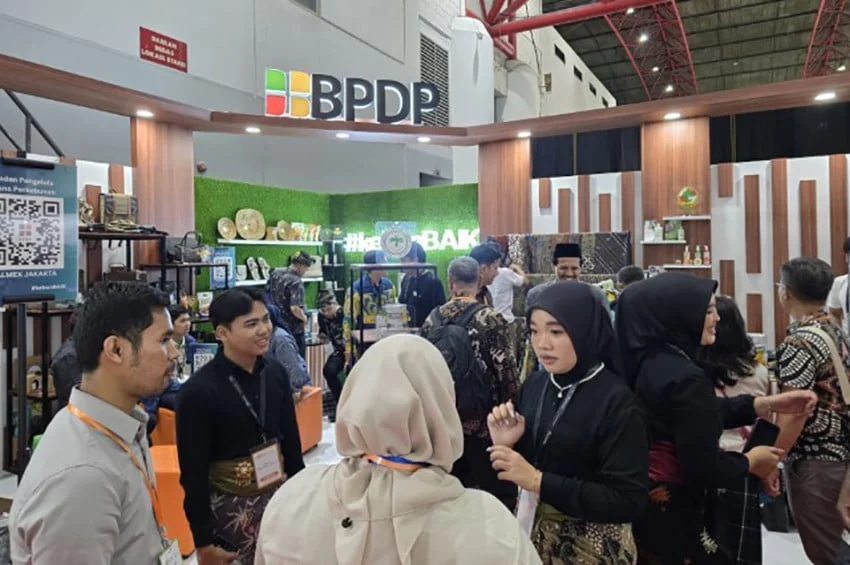
The Palm Oil Plantation Fund Management Agency (BPDPKS) plays a crucial role in supporting the biofuel program and broader industry development. Established to collect levies from palm oil exports, BPDPKS channels these funds into various initiatives, including research and development for biofuel technologies, replanting programs for smallholder farmers, and promoting sustainable palm oil practices. Their involvement is instrumental in ensuring the financial and technical feasibility of mandates like B40, providing subsidies to bridge the price gap between fossil diesel and biodiesel, and fostering innovation in the sector.
PALMEX Jakarta: A Platform for Innovation and Collaboration
Kenny Yong, Group CEO of Fireworks Trade Media, the organizer of PALMEX Jakarta, emphasized the exhibition’s multifaceted role. "PALMEX Jakarta is not merely an exhibition," Yong stated, underscoring its broader significance. "It serves as a vital platform for business players in the palm oil industry to connect, discover solutions, and grow together." He further elaborated on the current industry landscape, noting, "In the current industry conditions, the utilization of technology and cross-value chain collaboration are key for businesses to survive amidst global trends towards efficiency, digitalization, and increasingly stringent sustainability standards." This statement, made on April 20, 2026, encapsulates the critical challenges and opportunities facing the palm oil sector.
The exhibition is designed to showcase a comprehensive range of technologies and services pertinent to the entire palm oil value chain. This includes advanced agricultural machinery for planting, harvesting, and crop management; innovative processing technologies for crude palm oil extraction, refining, and fractionation; waste management solutions that convert biomass into energy or other valuable by-products; and cutting-edge digital solutions for plantation management, traceability, and supply chain optimization. The focus on productivity aims to help producers improve yields and operational efficiency, while the emphasis on business resilience addresses market volatility and regulatory changes. Critically, the sustainability aspect underscores the industry’s commitment to environmentally and socially responsible practices, a growing concern for global consumers and importers.
Addressing Sustainability Challenges and Global Standards
The Indonesian palm oil industry has historically faced scrutiny over environmental concerns, particularly deforestation, biodiversity loss, and land conflicts. In response, Indonesia has significantly ramped up its efforts to promote sustainable practices. The Indonesian Sustainable Palm Oil (ISPO) certification scheme, a mandatory national standard, aims to ensure that palm oil production adheres to environmental, social, and economic criteria. Complementing this, many Indonesian producers also pursue international certifications like the Roundtable on Sustainable Palm Oil (RSPO) to meet the demands of global markets.
PALMEX Jakarta 2026 will undoubtedly feature exhibitors showcasing technologies that support these sustainability goals. This could include precision agriculture tools that optimize fertilizer and pesticide use, remote sensing and GIS mapping for monitoring land use and preventing deforestation, wastewater treatment systems that minimize pollution, and renewable energy solutions that reduce the carbon footprint of mills and plantations. The exhibition provides a forum for these technological solutions to gain traction and be adopted more widely across the industry, facilitating compliance with national and international sustainability benchmarks.
Inferred Statements and Industry Perspectives
While specific statements from government officials and industry bodies regarding PALMEX 2026 are not available in the original text, their inferred perspectives would align with the government’s strategic vision. A representative from the Coordinating Ministry for Economic Affairs might emphasize the exhibition’s role in supporting the national downstreaming agenda and the B40 program, highlighting the economic multiplier effects. They might also reiterate Indonesia’s commitment to sustainable palm oil production, framing technology as an enabler for achieving both economic growth and environmental stewardship.
Similarly, an official from the Ministry of Agriculture could speak to the importance of technological adoption for smallholder farmers, who account for a significant portion of Indonesia’s palm oil cultivation. Initiatives to improve smallholder productivity through mechanization, good agricultural practices, and access to finance would be central to their message. The exhibition provides an opportunity for smallholders and cooperatives to learn about and access these vital tools.
Industry associations such as the Indonesian Palm Oil Association (GAPKI) or the Indonesian Biofuel Producers Association (APROBI) would likely underscore the importance of PALMEX Jakarta for fostering collaboration and knowledge exchange. They might highlight the challenges faced by the industry, such as volatile commodity prices, trade barriers, and the need for continuous innovation to remain competitive. A representative could emphasize that events like PALMEX are crucial for showcasing Indonesian industry’s capabilities and attracting foreign investment and partnerships, particularly in advanced processing and green technologies.
Broader Impact and Implications
The successful execution of Indonesia’s downstreaming strategy and the B40 mandate, supported by technological advancements showcased at events like PALMEX Jakarta, carries profound implications for the national economy and global markets. Economically, increased value addition means higher export revenues, more stable income for farmers, and significant job creation, contributing to rural development and poverty alleviation. The shift from a CPO exporter to a producer of diversified, high-value palm oil derivatives will enhance Indonesia’s position in global trade and reduce its vulnerability to raw material price swings.
Environmentally, the integration of advanced technologies for sustainable cultivation and processing is critical. While the expansion of palm oil plantations has been a historical concern, modern approaches emphasize intensification, replanting of old trees, and sustainable land management practices to boost yields without further deforestation. The B40 program, by displacing fossil fuels, is expected to contribute to a reduction in carbon emissions, aligning with Indonesia’s climate commitments under the Paris Agreement. However, careful monitoring and robust certification mechanisms remain essential to ensure that these benefits are realized without unintended negative environmental consequences.
Socially, the growth and modernization of the palm oil sector have the potential to uplift millions of smallholder farmers and rural communities. Access to better technology, training, and market linkages can significantly improve their livelihoods and economic security. PALMEX Jakarta, by bringing together a diverse range of stakeholders, facilitates discussions and partnerships that can address social equity issues within the industry.
Globally, Indonesia’s policies and technological advancements will continue to shape the international palm oil market. As the largest producer, its actions have a ripple effect on supply, pricing, and sustainability standards worldwide. The emphasis on downstreaming and biofuels could lead to changes in global trade flows, potentially increasing the availability of refined palm oil products and specialized oleochemicals while altering the dynamics of CPO exports. Furthermore, Indonesia’s commitment to sustainability, showcased through events like PALMEX, can influence global consumer perception and encourage responsible sourcing practices across international supply chains.
In conclusion, PALMEX Jakarta 2026 is poised to be more than just an exhibition; it is a strategic platform reflecting Indonesia’s ambitious vision for its palm oil industry. By fostering innovation, promoting technological adoption, and encouraging cross-sector collaboration, the event will play a crucial role in steering Indonesia’s palm oil sector towards a future characterized by enhanced productivity, robust economic resilience, and uncompromising sustainability. The outcomes of such gatherings are vital in shaping an industry that is not only a powerhouse of national economic growth but also a leader in responsible and forward-thinking global agricultural practices.