Jakarta, VIVA – Indonesia’s energy sector is experiencing substantial turbulence, marked by a fresh wave of fuel price increases that commenced in mid-April 2026. The primary catalyst for these adjustments, according to official statements and market analysts, is the escalating geopolitical tensions between Iran and the United States, which have sent ripples across global crude oil markets. Following initial adjustments by state-owned Pertamina, private fuel retailers such as bp have also implemented price hikes, particularly for non-subsidized fuel variants, signaling a challenging period for consumers and businesses nationwide.
The Geopolitical Undercurrent: Iran-US Tensions and Global Oil Prices
The renewed friction between Iran and the United States has cast a long shadow over the international oil market, directly influencing crude oil benchmarks like Brent and West Texas Intermediate (WTI). Historical precedent demonstrates that any instability in the Middle East, particularly involving major oil-producing nations or critical shipping lanes such as the Strait of Hormuz, can trigger sharp price volatility. Iran, a significant oil producer, and its strategic location near vital global energy transit routes, mean that any perceived threat of disruption to its oil exports or regional supply chains immediately translates into higher futures prices for crude.
Indonesia, despite being a modest oil producer, remains a net importer of crude oil and refined petroleum products. This structural reliance means that domestic fuel prices are intrinsically linked to the dynamics of the global market. When international crude oil prices surge due to geopolitical events, the cost of importing raw materials and finished fuels increases for Indonesian distributors. This higher acquisition cost, coupled with fluctuating exchange rates, inevitably necessitates upward adjustments in domestic retail prices, especially for non-subsidized categories that are more responsive to market forces. The current situation underscores Indonesia’s vulnerability to external shocks in the energy sector, highlighting the delicate balance between energy security, economic stability, and consumer affordability.
A Chronology of Price Adjustments in April 2026
The recent series of price hikes began with Pertamina, the state-owned energy giant, which announced significant adjustments to its non-subsidized fuel products. This move set a precedent that other private retailers soon followed.
- March 1, 2026 (Baseline): Before the recent escalations, Shell and Vivo had last updated their fuel prices. These prices served as a baseline against which subsequent increases could be measured.
- Shell: Shell Super at Rp 12,390 per liter, V-Power Diesel at Rp 14,620 per liter.
- Vivo: Revvo 92 at Rp 12,390 per liter, Revvo 95 at Rp 12,930 per liter, Diesel Primus at Rp 14,610 per liter.
- April 18, 2026: Pertamina’s Initial Hike: Pertamina initiated the latest round of price increases, specifically targeting its non-subsidized premium fuels. The affected products were Pertamax Turbo, Dexlite, and Pertamina Dex.
- Pertamax Turbo: Rose from Rp 13,100 to Rp 19,400 per liter (a staggering 48% increase).
- Dexlite: Increased from Rp 14,200 to Rp 23,600 per liter (a significant 66% jump).
- Pertamina Dex: Climbed from Rp 14,500 to Rp 23,900 per liter (a substantial 65% rise).
Notably, subsidized fuels like Pertalite and Solar, along with regular Pertamax and Pertamax Green, remained unchanged in this initial phase.
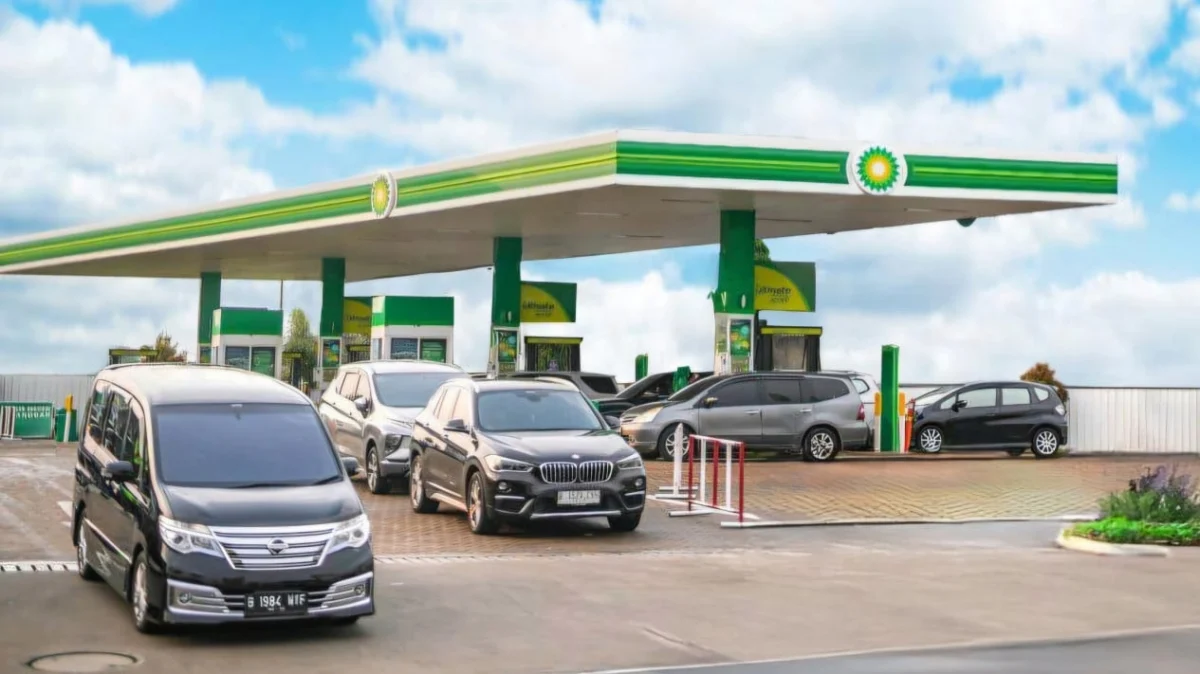
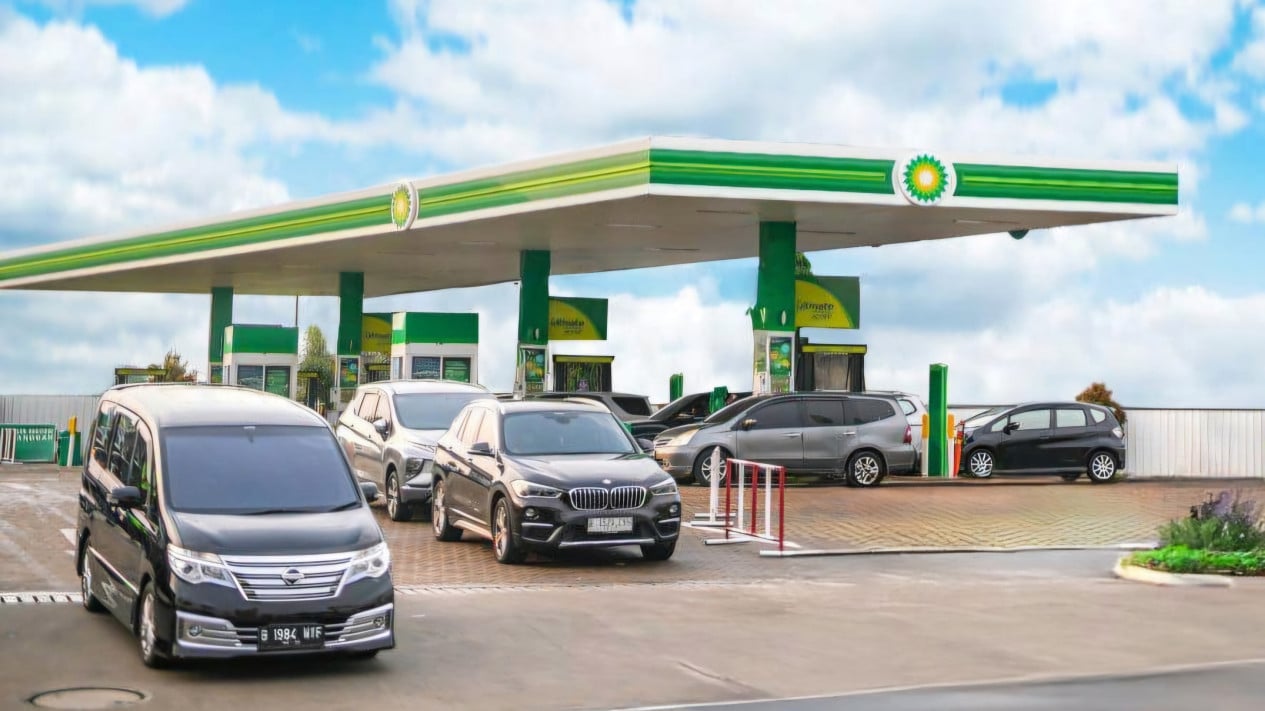
- Following April 18, 2026: bp Follows Suit: In the wake of Pertamina’s adjustments, bp, another prominent private fuel retailer, also revised its prices. The most striking increase from bp was for its diesel variant.
- BP Ultimate: Rp 12,930 per liter (unchanged from previous records, but reflecting market dynamics).
- BP 92: Rp 12,390 per liter (unchanged).
- BP Ultimate Diesel: Soared from Rp 14,620 to Rp 25,560 per liter (an astronomical 75% increase), mirroring the sharp rise in Pertamina’s diesel offerings.
- Current Status of Shell and Vivo: As of the latest reports, Shell and Vivo had not yet announced any new price adjustments. However, both companies were reportedly experiencing stock scarcities for certain fuel types, particularly diesel, which could indicate supply chain disruptions or anticipation of future price adjustments. Their prices remain at the March 1, 2026 levels.
Detailed Breakdown of Current Fuel Prices (as of April 18, 2026, for Pertamina and bp; March 1, 2026, for Shell and Vivo):
Pertamina (Jakarta Prices):
| Fuel Type | Current Price (Rp/liter) | Previous Price (Rp/liter) | Percentage Increase |
|---|---|---|---|
| Pertalite | 10,000 | 10,000 | 0% |
| Solar subsidi | 6,800 | 6,800 | 0% |
| Pertamax | 12,300 | 12,300 | 0% |
| Pertamax Turbo | 19,400 | 13,100 | 48.09% |
| Pertamax Green | 12,900 | 12,900 | 0% |
| Dexlite | 23,600 | 14,200 | 66.20% |
| Pertamina Dex | 23,900 | 14,500 | 64.83% |
bp (Jakarta Prices):
| Fuel Type | Current Price (Rp/liter) | Previous Price (Rp/liter) | Percentage Increase |
|---|---|---|---|
| BP Ultimate | 12,930 | N/A (reflects market) | N/A |
| BP 92 | 12,390 | N/A (reflects market) | N/A |
| BP Ultimate Diesel | 25,560 | 14,620 | 74.83% |
Shell (Jakarta Prices – as of March 1, 2026):
| Fuel Type | Current Price (Rp/liter) | Status |
|---|---|---|
| Shell Super | 12,390 | Stock Scarcity Reported |
| V-Power Diesel | 14,620 | Stock Scarcity Reported |
Vivo (Jakarta Prices – as of March 1, 2026):
| Fuel Type | Current Price (Rp/liter) | Status |
|---|---|---|
| Revvo 92 | 12,390 | N/A |
| Revvo 95 | 12,930 | N/A |
| Diesel Primus | 14,610 | Stock Scarcity Reported |
Economic Implications and Broader Impact
The sharp increase in non-subsidized fuel prices carries significant economic ramifications across various sectors in Indonesia.
- Inflationary Pressure: Fuel is a fundamental input cost for nearly all economic activities. Higher fuel prices directly translate into increased transportation and logistics costs for goods and services. This cost push is highly likely to feed into broader inflation, affecting the prices of essential commodities, food, and manufactured goods. The Central Statistics Agency (BPS) will be closely monitoring the Consumer Price Index (CPI) in the coming months for signs of accelerated inflation.
- Consumer Burden: Households, particularly those reliant on private vehicles or public transportation, will face an immediate increase in their daily expenses. For many, this will erode purchasing power and discretionary income, potentially leading to a slowdown in consumer spending, a key driver of Indonesia’s economy. The dramatic increases in diesel prices, in particular, will impact public transport fares and the cost of goods delivered to market, disproportionately affecting lower-income segments.
- Business Sector Challenges: Industries heavily dependent on transportation, such as manufacturing, agriculture, and retail, will experience a direct surge in operational costs. Logistics companies, trucking services, and delivery platforms will be forced to adjust their pricing structures, potentially passing these increased costs onto consumers or absorbing them, which could compress profit margins. The Association of Indonesian Entrepreneurs (Apindo), as highlighted in related reports, has indicated that businesses are already exploring strategies to stabilize cash flow in response to rising energy commodity prices, including both fuel and non-subsidized LPG. This could involve efficiency measures, renegotiating contracts, or, as a last resort, adjusting product prices.
- Government’s Fiscal Dilemma: While the current increases are primarily for non-subsidized fuels, sustained high global crude oil prices could put immense pressure on the government’s budget for subsidized fuels (Pertalite and Solar). If the gap between market prices and subsidized prices widens significantly, the government may face a difficult choice: either increase the subsidy burden, which could strain the state budget, or gradually adjust subsidized fuel prices, which could trigger public discontent and further inflation. The government’s commitment to maintaining stable prices for basic necessities, including subsidized energy, becomes a critical balancing act.
Statements and Reactions from Related Parties (Inferred)
While direct official statements specifically addressing these latest price hikes were not fully detailed in the original source, logical inferences can be drawn based on standard government and corporate responses to such situations:
- Ministry of Energy and Mineral Resources (ESDM): Likely to emphasize the global nature of the price increases, attributing them to external factors beyond domestic control. They would reiterate the government’s commitment to monitoring global oil markets and ensuring energy supply stability. There might be calls for consumers to use energy more efficiently.
- Ministry of Finance: Would likely express concern over the potential impact on inflation and the state budget, especially regarding potential increases in energy subsidies. They would highlight the need for fiscal prudence while acknowledging the challenges faced by consumers and businesses.
- Pertamina and bp: These fuel retailers would typically issue statements justifying the price adjustments as a reflection of rising international crude oil prices and operational costs. They would underscore that the affected fuels are non-subsidized products, whose prices are determined by market mechanisms to ensure business sustainability and supply availability.
- Consumer Advocacy Groups: Would likely voice strong concerns about the escalating cost of living and the potential hardship for ordinary citizens. They might call for government intervention, such as temporary tax relief or increased targeted social assistance, to cushion the blow of rising fuel prices.
- Industry Associations (e.g., Apindo): As evidenced by the linked article, business associations would likely communicate the challenges faced by their members due to increased operational costs. They might propose dialogues with the government on strategies to mitigate the impact, such as improving logistics infrastructure or providing incentives for energy efficiency.
Future Outlook and Policy Considerations
The immediate future of fuel prices in Indonesia remains highly dependent on the trajectory of global crude oil prices, which, in turn, are subject to geopolitical developments, particularly the Iran-US relationship. If tensions persist or escalate further, additional price increases for non-subsidized fuels cannot be ruled out.
From a policy perspective, the Indonesian government faces several critical considerations:
- Energy Diversification: The current situation reinforces the long-term strategic importance of diversifying Indonesia’s energy mix away from fossil fuels and reducing reliance on imported oil. Investments in renewable energy sources and domestic natural gas production could enhance energy security and insulate the economy from global oil price volatility in the long run.
- Targeted Subsidies: The current approach of differentiating between subsidized and non-subsidized fuels is crucial. However, ensuring that subsidies truly reach the intended beneficiaries and are not misused remains an ongoing challenge. Refinement of targeted subsidy mechanisms could prevent undue fiscal burden while supporting vulnerable populations.
- Efficiency Measures: Promoting energy efficiency across all sectors, from industrial processes to public transportation and household consumption, could help mitigate the impact of higher fuel prices by reducing overall demand.
- Buffer Stocks and Supply Chain Resilience: Strengthening national strategic petroleum reserves and enhancing the resilience of the domestic fuel supply chain are vital to ensure continuous availability, even amidst global disruptions or local stock scarcities as reported for Shell and Vivo.
In conclusion, the recent and substantial increases in non-subsidized fuel prices in Indonesia are a direct consequence of volatile global crude oil markets, exacerbated by escalating geopolitical tensions between Iran and the United States. While state-owned Pertamina and private retailer bp have adjusted their prices to reflect these international dynamics, the economic implications for Indonesian consumers and businesses are significant, portending potential inflationary pressures and increased operational costs. The government’s ongoing challenge will be to navigate these external shocks while safeguarding economic stability and ensuring energy affordability for its citizens.