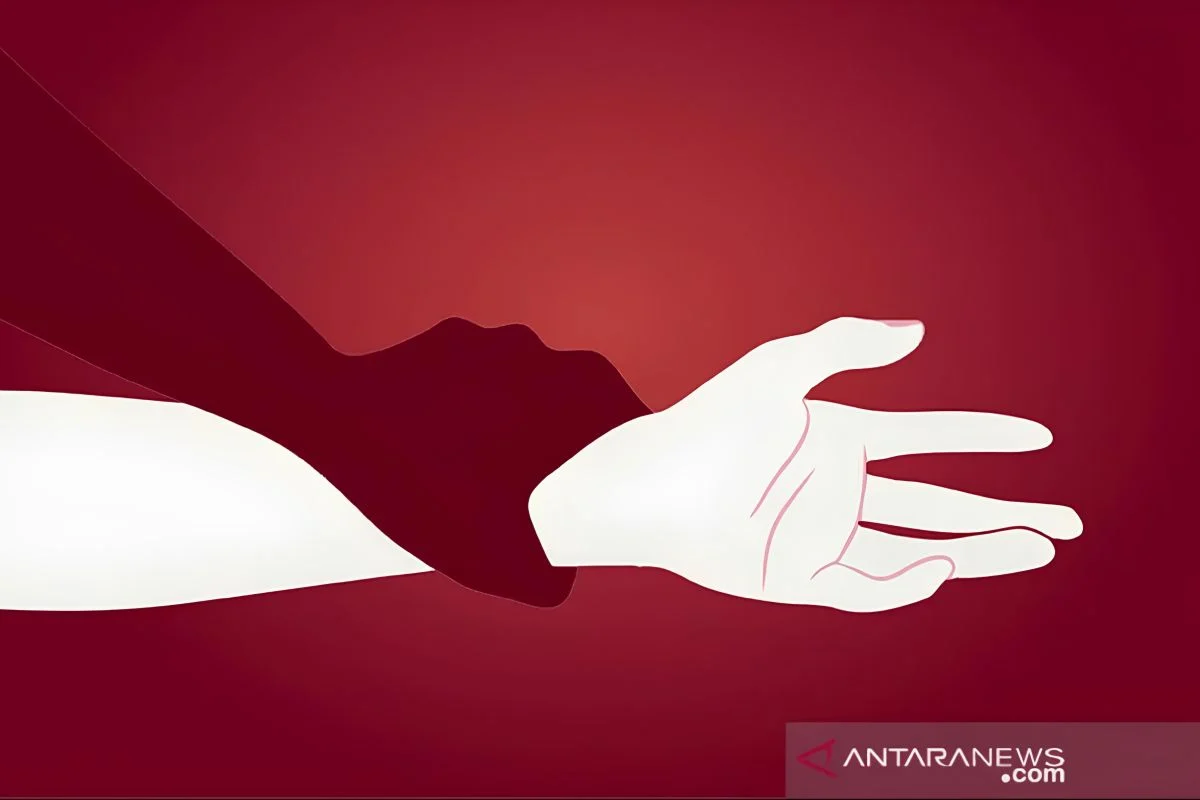
Jakarta, Indonesia – Clinical psychologist Kasandra Putranto, an alumna of the University of Indonesia, has shed light on a troubling array of behaviors that are routinely normalized within Indonesian society, inadvertently perpetuating verbal sexual harassment. These ingrained societal habits, often dismissed as harmless or trivial, contribute to a pervasive culture where verbal abuse continues to thrive, leaving deep psychological and social scars on its victims. Putranto’s insights underscore an urgent need for a comprehensive societal re-evaluation of what constitutes acceptable interaction, particularly in public and digital spaces.
Unmasking Normalized Behaviors: A Deep Dive into Societal Blind Spots
Putranto identifies several key behaviors that, despite their harmful nature, are widely accepted or downplayed. At the forefront is the pervasive habit of commenting on an individual’s body or physical appearance. While often framed as compliments or casual observations, these remarks frequently carry an underlying tone of objectification, reducing individuals to their physical attributes rather than recognizing their full personhood. This objectification is a foundational element of sexual harassment, stripping individuals of their autonomy and subjecting them to unsolicited scrutiny.
Another significant area of concern involves sexually suggestive jokes or banter. These jests are frequently excused under the guise of "just kidding" or "humor," even when perpetrators are fully aware that their comments cause discomfort or distress to others. Such behavior creates hostile environments, particularly for those targeted, normalizing the commodification of individuals for amusement and trivializing the severity of sexual innuendo. The emotional toll on the recipient, often forced to endure such "jokes" in social settings, can be substantial, leading to feelings of shame, anger, and a diminished sense of safety.
The advent of digital communication has introduced new dimensions to this problem. Putranto highlights the alarming trend of discussing or creating sexual fantasies about individuals in digital spaces, such as private chat groups. These virtual forums, often perceived as private and consequence-free, become breeding grounds for objectification and non-consensual sexualization. The anonymity and perceived distance of the internet can embolden individuals to engage in behaviors they might shy away from in face-to-face interactions, leading to widespread digital verbal harassment that can be just as, if not more, damaging than its offline counterparts. The "UI chat group" incident, referenced in related articles, serves as a stark reminder of how digital platforms can be exploited for such harmful practices, exposing victims to public humiliation and psychological distress.
Finally, the practice of "catcalling" in public spaces remains a deeply normalized yet profoundly harmful form of verbal sexual harassment. Catcalling, which includes wolf-whistles, unsolicited sexual comments, or persistent invitations directed at strangers, particularly women, in public, is often rationalized as an expression of admiration or cultural interaction. However, it is an aggressive act that invades personal space, instills fear, and reduces individuals to objects for public consumption. It strips victims of their sense of security and freedom to navigate public spaces without apprehension, reinforcing patriarchal norms that assert dominance over women’s bodies and public presence. The linked article "Mengenal ‘catcalling’ pelecehan seksual yang sering dialami wanita" further underscores its prevalence and detrimental impact.
The Insidious Cycle of Normalization: Why it Persists
These behaviors persist largely because they are considered trivial and lacking serious consequences. Putranto emphasizes that such actions are not isolated incidents but integral components of a broader "spectrum of sexual violence." This spectrum illustrates how seemingly minor verbal aggressions can pave the way for, or contribute to, a culture that tolerates more severe forms of sexual violence. When verbal harassment is normalized, the line between harmless interaction and harmful aggression blurs, creating an environment where more overt forms of harassment and assault can flourish unchallenged.
The normalization cycle is self-reinforcing: perpetrators, conditioned by societal acceptance, often do not perceive their actions as wrongful or harmful. This lack of accountability stems from a collective understanding that these behaviors are "normal" or "just part of life." Consequently, victims, grappling with feelings of shame and uncertainty, are often reluctant to report incidents, fearing that their experiences will be dismissed, ridiculed, or met with victim-blaming. Society, in turn, reinforces this silence by failing to recognize such acts as genuine offenses, thus perpetuating the cycle of impunity.
Disturbingly, Putranto notes that this flawed understanding is prevalent even among "parties holding important roles in law enforcement." This observation points to a systemic issue where the very institutions designed to protect citizens and uphold justice may harbor biases or lack adequate training to recognize and address verbal sexual harassment effectively. Such institutional gaps erode public trust and further disempower victims, who may perceive the justice system as an unsupportive or even hostile environment.
Legal Framework and Enforcement Challenges in Indonesia
Indonesia has made significant strides in addressing sexual violence with the enactment of Law No. 12 of 2022 concerning Sexual Violence Crimes (UU TPKS). This landmark legislation, passed in April 2022 after years of advocacy, criminalizes various forms of sexual violence, including verbal harassment. Article 5 of the TPKS Law, for instance, addresses non-physical sexual harassment, which encompasses verbal acts that cause discomfort, humiliation, or threaten dignity. The law defines non-physical sexual harassment as any act that includes remarks, gestures, or behaviors that are sexually suggestive or offensive and create a hostile or intimidating environment.
However, the journey from legislation to effective implementation is fraught with challenges. While the TPKS Law provides a legal basis to prosecute verbal sexual harassment, its enforcement requires a profound shift in societal attitudes and institutional practices. Law enforcement agencies, including the police and judiciary, need extensive training to understand the nuances of verbal sexual harassment, its psychological impact, and the importance of taking victim testimonies seriously. As Putranto indicates, the ingrained normalization of these behaviors within society can unfortunately extend to those tasked with upholding the law, leading to underreporting, misclassification of cases, or even outright dismissal. The subjective nature of "discomfort" or "offense" in verbal harassment cases can also pose evidentiary challenges, requiring careful interpretation and sensitivity from legal professionals.
The Profound Toll: Psychological and Social Impacts on Victims
The consequences of verbal sexual harassment on victims are profoundly real and multifaceted, affecting both their psychological well-being and social interactions. Victims frequently experience a complex array of emotions, including intense shame, anger, and anxiety. This emotional distress is often compounded by a pervasive loss of personal safety, particularly when they realize they have been the unwitting subject of sexual discussions or fantasies. This erosion of trust and security can extend to various aspects of their lives, making them feel vulnerable even in spaces previously considered safe.
In many cases, the experience significantly diminishes self-confidence and self-esteem, leading victims to withdraw from social environments. This self-imposed isolation is a defense mechanism, a way to avoid potential re-victimization or further exposure to uncomfortable situations. The situation where victims are aware of the nature of the verbal abuse but choose to remain silent is tragically common. This silence is typically driven by a deep-seated fear of stigma, being blamed for the harassment ("what were you wearing?"), or even outright ostracization from their social circles or communities.
Putranto references the seminal work of American psychiatrist and researcher Judith Herman from her 1992 study, which elucidates how victims of violence, including verbal forms, often experience immense psychological pressure that compels them to choose silence as a form of self-protection. Herman’s "Trauma and Recovery" framework highlights how trauma can lead to feelings of powerlessness and an internalized sense of shame, making it incredibly difficult for survivors to speak out. For victims of verbal sexual harassment, the fear of not being believed, of having their experience minimized, or of facing backlash often outweighs the desire for justice or acknowledgement.
Furthermore, within the context of social relationships, such as friendships or university environments, there is a legitimate concern about the social consequences of speaking out. The normalization of sexual harassment means victims often question whether their experiences are "serious enough" to warrant reporting. This internal questioning is a direct result of societal conditioning, which downplays the severity of verbal abuse and places the burden of proof and emotional resilience on the victim. This constant self-doubt can prevent individuals from seeking help or reporting incidents, allowing perpetrators to continue their behavior unchecked.
Institutional Responses and Advocacy Efforts
In response to the pervasive issue of sexual violence, various institutions and civil society organizations in Indonesia have intensified their efforts. The National Commission on Violence Against Women (Komnas Perempuan) stands as a pivotal entity, consistently highlighting the prevalence of sexual harassment through its annual records and advocacy reports. Komnas Perempuan plays a crucial role in collecting data, formulating policy recommendations, and campaigning for legal reforms, including the long-awaited TPKS Law. Their reports often detail the different forms of sexual violence, underscoring the significant proportion of cases that involve verbal harassment, both online and offline.
Academic institutions, particularly after high-profile cases like the "UI chat group" incident and discussions around the FHUI case (which underscored the importance of gender-equal parenting), have been prompted to re-evaluate their internal mechanisms for addressing sexual harassment. Many universities are now working to establish robust reporting systems, provide counseling services, and implement clear codes of conduct for students and staff. These efforts aim to create safer campus environments where victims feel empowered to report incidents without fear of reprisal and where perpetrators are held accountable. The UI case, specifically, served as a potent example of how digital spaces within academic settings can become arenas for verbal harassment, necessitating specific policies for online conduct.
Civil society organizations (CSOs) also play an indispensable role in advocacy, public education, and providing direct support to victims. Organizations such as Lentera Anak and others working on gender equality and victim protection conduct workshops, awareness campaigns, and offer legal and psychological assistance to survivors. Their work is critical in filling the gaps where institutional responses may be lacking, helping to shift public perception, and empowering communities to challenge normalized harmful behaviors.
Moving Forward: Fostering a Culture of Respect and Accountability
Addressing the deep-rooted normalization of verbal sexual harassment requires a multi-pronged approach involving individuals, communities, and institutions.
Firstly, comprehensive education and awareness campaigns are paramount. These initiatives must extend beyond simply defining what constitutes sexual harassment to actively challenging the societal norms and patriarchal attitudes that underpin its normalization. Programs should target all age groups, from primary school to adult education, emphasizing consent, respectful communication, and gender equality. Such education needs to be integrated into curricula and public service announcements, making it a constant conversation rather than a sporadic one.
Secondly, promoting bystander intervention is crucial. Training individuals to recognize verbal sexual harassment and safely intervene can significantly alter the social dynamics that allow it to persist. Empowering bystanders to speak up, report, or offer support to victims shifts the responsibility from solely the victim to the community, creating a collective front against harassment.
Thirdly, strengthening legal enforcement and victim support mechanisms is essential. This involves continued training for law enforcement and judicial personnel to ensure sensitive and effective handling of verbal harassment cases under the TPKS Law. It also requires the establishment of accessible, confidential, and victim-centric reporting systems, coupled with comprehensive psychological and legal support services for survivors. The focus must shift from questioning the victim to holding perpetrators accountable and providing restorative justice.
Finally, a fundamental shift in societal norms is required. This is a long-term endeavor that demands ongoing dialogue about gender roles, power dynamics, and the impact of seemingly minor verbal acts. It means challenging misogynistic humor, calling out objectifying comments, and fostering environments where respect and empathy are prioritized over casual disregard for others’ boundaries and dignity. This transformative change requires collective responsibility and sustained effort from every segment of society.
Conclusion: A Call for Transformative Change
Kasandra Putranto’s analysis serves as a critical call to action, urging Indonesian society to confront the uncomfortable truth that many of its seemingly innocuous habits contribute directly to the perpetuation of verbal sexual harassment. The continued normalization of these behaviors not only trivializes serious offenses but also inflicts profound and lasting damage on countless individuals. While legal frameworks like the TPKS Law provide a vital foundation, true change hinges on a societal paradigm shift—a collective commitment to de-normalize harmful practices, educate future generations, empower victims, and hold perpetrators accountable. Only through such comprehensive and sustained efforts can Indonesia hope to forge a truly safe, respectful, and equitable environment for all its citizens, free from the insidious scars of normalized verbal abuse.