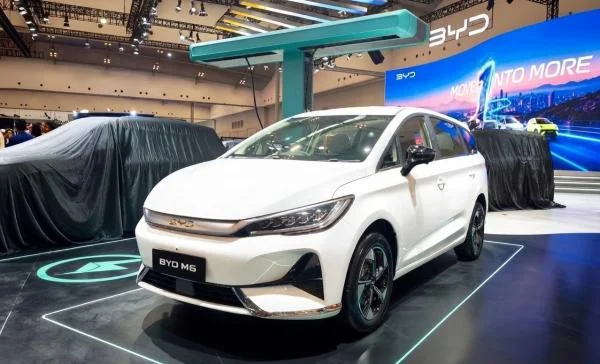
BYD is strategically positioning itself as a dominant force in the Indonesian automotive landscape, moving beyond mere vehicle assembly to spearhead the development of a comprehensive electric vehicle (EV) ecosystem. By introducing its proprietary Flash Charging technology, the Chinese automotive giant is directly addressing the "range anxiety" and lengthy downtime issues that have historically hindered the mass adoption of electric vehicles. This initiative represents a pivotal shift in how the company intends to integrate its local manufacturing capabilities in Subang with a high-performance charging infrastructure capable of meeting the demands of a modern, electrified transport network.
The Evolution of EV Infrastructure in Indonesia
For years, the primary barrier to EV penetration in emerging markets like Indonesia has been the lack of reliable, high-speed charging infrastructure. While the Indonesian government has made significant strides in providing subsidies and tax incentives to promote EV adoption, consumer skepticism regarding the time required to recharge batteries has remained a persistent hurdle. BYD’s recent unveiling of Flash Charging, which occurred in tandem with the debut of the Blade Battery 2.0 in March 2026, aims to neutralize these concerns by offering a refueling experience that rivals the speed of conventional internal combustion engine vehicles.
The technological leap provided by the 1,000-volt architecture, often referred to as the "Super e-Platform," is a game-changer. By leveraging a high-voltage system capable of handling power delivery of up to 1,500 kW (1.5 megawatts), BYD is effectively bypassing the bottlenecks found in standard DC fast-charging stations currently deployed across the archipelago. This capacity is critical not only for passenger vehicles but also for potential future applications in electric heavy-duty transport and public transit systems.
Technical Specifications and Performance Metrics
The performance data associated with the Flash Charging technology is robust. Under controlled conditions at room temperature, the system can charge a vehicle battery from 10 percent to 70 percent in a mere five minutes. Perhaps more impressively, reaching a 97 percent charge state takes only nine minutes. These metrics suggest that, for the average consumer, an EV could reach near-full capacity during a short break at a service station, effectively changing the utility profile of the electric vehicle from a "commuter-only" device to a viable option for long-distance regional travel.
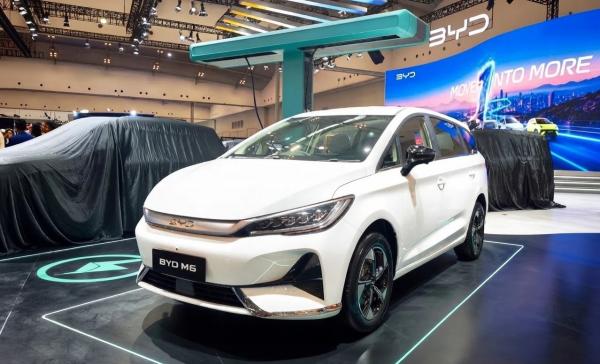
This efficiency is made possible by the synergistic relationship between the vehicle’s battery management system and the external power distribution architecture. The Blade Battery 2.0, which features enhanced thermal management and chemical stability, is specifically designed to accept these extreme power loads without compromising the long-term health of the cells. By maintaining structural integrity under such rapid energy transfer, BYD is setting a new standard for battery longevity, a factor that is often cited as a secondary concern by prospective EV owners.
Strategic Timeline and Regional Expansion
The rollout of this technology is not an isolated event but rather a component of a multi-year strategy. Following the initial announcement of the technology in early 2026, BYD has moved quickly to integrate these capabilities into its regional roadmap. The company’s investment in the Subang manufacturing plant serves as the production hub, while the Jakarta metropolitan area acts as the primary testing ground for the high-power infrastructure rollout.
- March 2026: Official debut of Blade Battery 2.0 and the 1,000-volt architecture during the global launch event.
- October 2026: Formal introduction of the Flash Charging infrastructure project in Jakarta, detailing plans for deployment in major Indonesian cities.
- Late 2026 – 2027 (Projected): Commencement of pilot programs for high-capacity charging hubs along the Trans-Java Toll Road, linking major economic centers with rapid-recharge capabilities.
This timeline reflects an aggressive expansion strategy. By concentrating its initial efforts on high-traffic corridors, BYD aims to create a visible and functional network that demonstrates the viability of long-distance EV travel.
Official Perspectives and Corporate Strategy
During the technology showcase in Jakarta on October 14, 2026, representatives from BYD emphasized that the hardware is only one piece of the puzzle. The company’s vision is to create a closed-loop ecosystem where the vehicle, the battery technology, and the charging network work in perfect synchronization.
"Flash Charging is more than just a speed record; it is our commitment to building the backbone of Indonesia’s future mobility," a spokesperson noted during the event. By controlling the entire value chain—from battery production to the final plug-in experience—BYD seeks to mitigate the risks associated with third-party interoperability issues that often plague fragmented EV markets. This vertical integration allows for faster troubleshooting, more efficient software updates, and a consistent user experience that is difficult for competitors to replicate.

Implications for the Indonesian Energy Sector
The introduction of 1.5-megawatt charging technology carries significant implications for the national grid. While the technology is revolutionary for the end-user, it poses a challenge for electrical distribution networks. Rapidly drawing such high levels of power requires localized energy storage solutions, such as large-scale battery buffers, to prevent surges that could destabilize local power lines.
Industry analysts suggest that BYD’s move will likely pressure the Indonesian state-owned utility company, PLN, and other private sector energy providers to modernize their grid management systems. The demand for "Ultra-Fast Charging" (UFC) will necessitate the implementation of smart-grid technologies capable of load balancing during peak periods. Consequently, BYD’s entry into the charging space is likely to catalyze a broader upgrade of the national electrical infrastructure, providing secondary benefits to the country’s industrial and residential sectors.
Economic and Environmental Impact
From an environmental standpoint, the success of the Flash Charging rollout is directly tied to the decarbonization goals of the Indonesian government. With the transportation sector being one of the largest contributors to urban air pollution and greenhouse gas emissions, increasing the speed of EV adoption is a priority.
Economically, the localization of this technology offers a competitive advantage to Indonesia within the ASEAN region. As a manufacturing hub, Indonesia stands to benefit from the transfer of knowledge and technology related to high-voltage electronics. Furthermore, the development of a high-speed charging network could lead to the creation of new business models, including modular battery-swapping services or integrated retail-and-charging hubs, which could stimulate growth in the service and energy sectors.
Challenges and Future Considerations
Despite the optimism surrounding the technology, several challenges remain. The primary hurdle is the capital expenditure required to install 1.5-megawatt-rated stations. Unlike standard AC chargers, which are relatively inexpensive and easy to install, Flash Charging stations require significant grid reinforcement and specialized electrical engineering.

Additionally, standardization remains a critical issue. For the Indonesian market to fully benefit, there must be a move toward interoperability. If BYD’s proprietary technology remains limited to its own vehicles, it may hinder the development of a universal charging network. Future regulations from the Ministry of Transport and the Ministry of Energy and Mineral Resources will likely play a decisive role in determining whether such high-speed standards are adopted industry-wide or kept as premium, brand-specific features.
Conclusion
BYD’s aggressive push into Flash Charging technology underscores a fundamental shift in the global EV narrative. By moving from "charging as a chore" to "charging as a brief pause," the company is removing the final psychological barriers to electric vehicle ownership. As Indonesia continues its journey toward a greener economy, the success of these high-performance charging hubs will serve as a bellwether for the country’s ability to transition away from fossil fuels.
The integration of advanced battery chemistry with ultra-fast power delivery is not merely an engineering feat; it is a strategic maneuver that cements BYD’s role as an indispensable partner in Indonesia’s industrial evolution. As the country looks toward 2030, the ability to support high-speed charging will be a key differentiator in the competitive landscape of the Southeast Asian automotive market, and BYD has firmly placed itself at the forefront of this transformation.