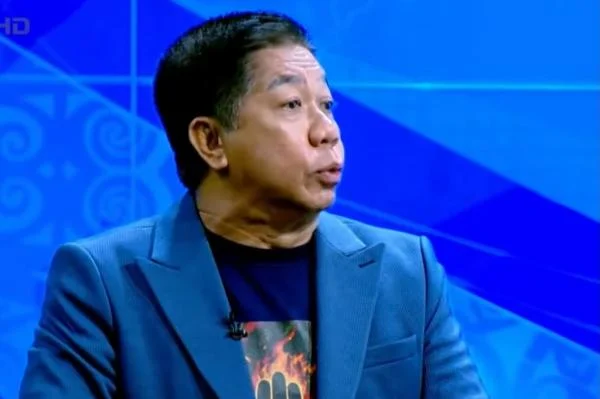
The landscape of Indonesian football governance is currently facing a significant internal conflict as the Gerakan Civil Society untuk Sepakbola Egaliter (GASPOL) has formally challenged the stringent new eligibility requirements for candidates vying for positions within the PSSI Executive Committee (Exco). During a Public Hearing (RDPU) held with Commission X of the House of Representatives of the Republic of Indonesia (DPR RI) on Thursday, November 26, 2026, representatives from the civil society group voiced grave concerns regarding what they describe as a "mathematical barrier" designed to consolidate power rather than foster democratic competition.
The core of the dispute lies in the dramatic escalation of support requirements needed for a candidate to be declared eligible to run for the PSSI leadership. According to Effendi Gazali, a prominent representative of GASPOL, the threshold for candidate nomination has surged by an unprecedented 3,400 percent compared to the regulations agreed upon just months prior, in August 2026.
The Mathematics of Exclusion
Under the revised framework, a prospective candidate must secure endorsements from a minimum of 15 Provincial Associations (Asprov) and 20 clubs. To contextualize the scale of this requirement, the total number of eligible voters within the PSSI ecosystem is 85. By mandating that a candidate obtain support from 15 Asprovs and 20 clubs, the PSSI leadership has effectively created a prerequisite that forces candidates to secure approximately 41 percent of the total voter base just to qualify for the ballot.
Effendi Gazali emphasized that this drastic shift represents a departure from the previously discussed, more inclusive standards. Critics argue that such a high barrier to entry significantly narrows the pool of potential candidates, potentially disenfranchising individuals who lack existing deep-rooted ties to the current power structure of the federation. For independent candidates or those representing reformist factions, meeting these thresholds presents a nearly insurmountable challenge, effectively functioning as a gatekeeping mechanism that limits the electoral contest to incumbents or those with significant institutional backing.
Chronology of the Controversy
The tension surrounding these requirements did not emerge in a vacuum. It is the culmination of a series of administrative shifts within the PSSI that have been viewed with suspicion by various stakeholders.
- August 2026: Initial discussions were held regarding the electoral framework. During this period, stakeholders believed there was a consensus on a more accessible path to candidacy, which would have required significantly fewer endorsements, potentially as low as a single vote, to encourage wider participation.
- Late 2026: The federation introduced the new, significantly higher requirements. This transition caught many observers by surprise, leading to accusations that the regulations were amended without adequate consultation with the broader football community.
- November 25, 2026: Parallel conflicts emerged, notably involving figures such as Michael Sianipar, who openly challenged the PSSI’s handling of the FFI (Federation of Futsal Indonesia) extraordinary congress, suggesting a pattern of authoritarian administrative maneuvers.
- November 26, 2026: The GASPOL group presented their formal objections to Commission X of the DPR RI, seeking legislative oversight and intervention to ensure the electoral process remains fair and democratic.
Concerns Over Procedural Integrity
Beyond the numerical requirements for candidates, GASPOL has raised alarms regarding the procedural changes governing the upcoming PSSI Congress. Specifically, the group highlighted the federation’s plan to utilize an online mechanism for the ratification of the election code.
Effendi Gazali questioned the necessity and the legality of shifting toward a virtual ratification process, noting that such measures are typically reserved for states of emergency, such as the height of the COVID-19 pandemic or other catastrophic conditions (force majeure). By opting for a digital mechanism under current conditions, critics fear that the federation is attempting to bypass the transparency and accountability usually afforded by physical, in-person assembly and debate.
This move has led to concerns about the potential for technical manipulation or the silencing of dissent, as digital ratification processes often lack the robust deliberative atmosphere of face-to-face parliamentary-style voting. The lack of clear justification for these procedural shifts has led to widespread speculation that the PSSI is attempting to fast-track its agenda before a broader coalition of dissenters can organize an effective opposition.
Broader Implications for Indonesian Football
The implications of these electoral hurdles extend far beyond the immediate selection of committee members. At its core, the issue touches upon the principles of good governance, which PSSI is obligated to uphold as a member of both FIFA and the regional football community.

- Stifling Reform: By setting the threshold at 41 percent of the total voting power, the PSSI is effectively insulating its current leadership from outside influence. In a democratic sports organization, the election process should encourage the entry of fresh ideas and alternative leadership styles. When the requirements are so high, the incumbent leadership essentially gains a "first-mover" advantage that makes it nearly impossible for a challenger to build a campaign without the tacit approval of the existing power brokers.
- Institutional Legitimacy: The perception that the game is "rigged" can severely damage the credibility of the PSSI in the eyes of the public and the fans. If stakeholders feel that the leadership is chosen through a closed-shop process rather than a competitive, egalitarian election, the moral authority of the resulting committee will be compromised.
- Conflict with Regulatory Standards: There is a growing debate over whether these new requirements align with the spirit of the PSSI Statutes and the broader FIFA electoral guidelines, which generally promote inclusivity and the avoidance of unreasonable barriers to candidacy. The involvement of the DPR RI suggests that the matter has moved from a strictly internal football administrative issue to a public concern that may require political or legal resolution.
Official Responses and the Role of the DPR
The RDPU with Commission X provides a critical platform for these grievances. While the PSSI has yet to issue a comprehensive formal rebuttal to the specific claims made by GASPOL, the federation has previously maintained that its regulatory changes are aimed at ensuring the quality and administrative capacity of its leaders.
However, the parliamentary intervention is significant. Commission X, which oversees sports and education, holds the power to summon PSSI officials to provide transparency regarding their internal processes. The legislators are expected to weigh whether the 3,400 percent increase in requirements constitutes an abuse of authority or a reasonable measure for administrative stability.
Conclusion: The Road Ahead
As the debate intensifies, the future of the upcoming PSSI Congress hangs in the balance. The demands from civil society are clear: a return to reasonable, egalitarian standards for candidacy, a rejection of non-essential digital ratification, and a commitment to a transparent electoral process.
Whether the PSSI will adjust its stance remains to be seen. However, the intensity of the opposition from groups like GASPOL indicates that the football community in Indonesia is no longer content to remain a silent spectator in the governance of its own institutions. The coming weeks will likely see a flurry of legal and political maneuvering as all parties look toward the congress, with the hope that the outcome will be one that reflects the interests of the sport rather than the interests of those currently holding the gavel.
For now, the focus remains on the "3,400 percent" figure—a number that has become a symbol of the broader struggle for the soul of Indonesian football. As the federation navigates these calls for reform, the necessity for a balanced, transparent, and inclusive democratic process has never been more apparent. Failure to address these concerns may lead to long-term institutional instability, which, ultimately, will be detrimental to the development and progress of the sport on both the domestic and international stages.