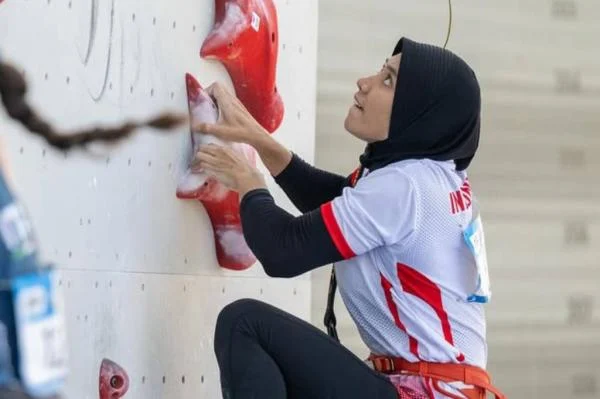
The regional sporting landscape in Southeast Asia is currently embroiled in significant tension following the announcement of the preliminary sports program for the 2027 SEA Games in Malaysia. The exclusion of ten disciplines, many of which have historically served as primary medal-harvesting grounds for the Indonesian contingent, has prompted urgent calls for a diplomatic re-evaluation of the host nation’s selection process. Among the sports conspicuously absent from the proposed list are rock climbing, rowing, beach volleyball, wrestling, chess, jiu-jitsu, kickboxing, handball, triathlon, and badminton. This development has not only jeopardized the preparation cycles of hundreds of athletes but has also reignited a perennial debate regarding the integrity and sportsmanship inherent in the biennial regional event.
The Anatomy of the Dispute
The SEA Games, governed by the Southeast Asian Games Federation (SEAGF), is intended to function as a platform for fostering regional solidarity, promoting athletic excellence, and encouraging the development of sports infrastructure across the ten ASEAN member states plus Timor-Leste. However, the recurring issue of host nations tailoring the sports program to maximize their own medal tallies—a practice colloquially known as "host-nation bias"—has become a point of contention for decades.
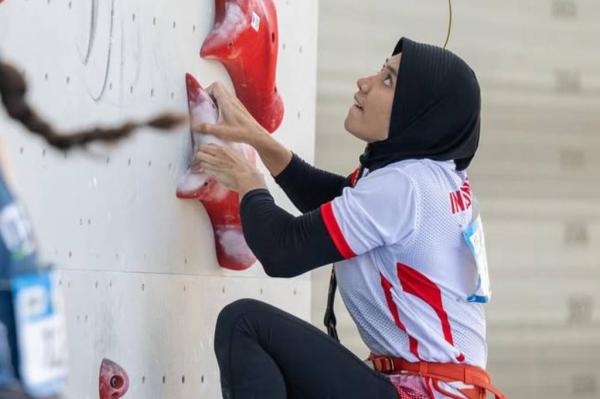
In the case of the 2027 edition, the exclusion of the aforementioned sports appears to strike at the core of Indonesia’s competitive strategy. Rock climbing, for instance, has become a global powerhouse discipline for Indonesia, with the country consistently producing world-record holders and Olympic-caliber athletes. Similarly, beach volleyball has been a source of unwavering success for Indonesia since 2003, providing a reliable stream of gold medals in every iteration of the games. By removing these sports, the host country effectively neutralizes the comparative advantages of its rivals, forcing a re-evaluation of the tournament’s commitment to the Olympic charter and the spirit of fair play.
Chronology and Governance Context
The process of selecting sports for the SEA Games is typically initiated by the host nation’s Olympic committee, which presents a list of categories to the SEAGF Council. According to the standard charter, the host nation must include a core of mandatory sports—typically those found in the Summer Olympic Games—while retaining the right to include "optional" sports that reflect local interests or cultural significance.
However, the 2027 preliminary list has bypassed this spirit of inclusivity. The following timeline outlines the progression of this growing diplomatic rift:
- Late 2026: Malaysia announces the initial selection of sports for the 2027 SEA Games, focusing heavily on disciplines where the host nation holds traditional strength.
- Early November 2026: Member nations, led by the Indonesian Olympic Committee (NOC Indonesia), identify the absence of key sports that have been part of the regional circuit for over two decades.
- Mid-November 2026: Public outcry begins to intensify as athletes and national sports federations in Indonesia express concerns over the sudden disruption of their training regimens.
- Present Day: Calls for a boycott or a formal protest to the SEAGF are gaining traction among Indonesian sports officials and stakeholders, marking a critical juncture in the preparation for the games.
Data Analysis: The Impact on Medal Tables
To understand the severity of this decision, one must look at the historical data. Indonesia’s performance in the last three SEA Games (2021, 2023, and the upcoming 2025 cycle) has relied heavily on the disciplines currently facing the chopping block.
- Rock Climbing: In recent years, Indonesia has maintained a near-monopoly on speed climbing, often securing multiple gold medals. The absence of this sport alone represents a potential loss of 4–6 gold medals from the final tally.
- Beach Volleyball: Since 2003, Indonesia has stood on the podium in almost every single SEA Games tournament. The removal of this sport is viewed by many analysts as a direct effort to prevent a "guaranteed" Indonesian victory.
- Wrestling and Martial Arts (Jiu-Jitsu/Kickboxing): These sports have seen massive investment from the Indonesian Ministry of Youth and Sports. The exclusion forces a strategic pivot for athletes who have dedicated four years of their peak physical life toward the 2027 goal.
The removal of these ten sports effectively forces the Indonesian delegation to fight for dominance in a much smaller, more restricted field, significantly lowering the ceiling for the country’s total medal count and diminishing the return on investment for the state’s high-performance sports programs.
Official Responses and Diplomatic Friction
The reaction from Indonesian sports officials has been swift and resolute. Krisna Bayu, the Chairman of the Indonesian Sambo Federation (PP Persambi) and a member of the NOC Indonesia Executive Committee, has emerged as a leading voice against the current proposal. His critique focuses not merely on the tactical disadvantage, but on the moral imperative of the games.
"SEA Games were founded on the principles of friendship, solidarity, and healthy competition," Bayu stated in a recent press conference. "When a host nation uses its position to curate a list of sports that artificially inflates their standing while suppressing the strengths of others, it undermines the very foundation of the tournament. We are not just talking about medals; we are talking about the dignity of the athletes and the credibility of the regional sporting movement."

Bayu’s sentiment reflects a broader frustration within the Indonesian sports community. While there has been no formal government-level declaration of a boycott, the term is being circulated within high-level discussions as a potential bargaining chip. The underlying message is clear: if the host nation does not demonstrate flexibility and adhere to the spirit of fair play, the event risks losing the participation of one of Southeast Asia’s most prominent sporting powers.
The Broader Implications for Southeast Asian Sport
The controversy surrounding the 2027 SEA Games serves as a microcosm for the structural issues that have long plagued the regional event. Because the host nation wields significant power in deciding the program, the "game" often begins before the first whistle is blown.
If Malaysia persists in its current selection, it may set a dangerous precedent for future hosts. Should other nations follow this trend of "tailored programs," the SEA Games could devolve from a premier multi-sport event into a series of disjointed, host-favorable exhibitions. This would lead to a decline in international interest, a reduction in sponsorship value, and ultimately, a decrease in the standard of regional competition.
Furthermore, there are significant economic implications. Indonesian national sports federations have already begun allocating training budgets based on the assumption that these sports would be included. The sudden exclusion represents a wasted expenditure of public funds. Athletes, many of whom are at the prime of their careers, face the psychological and professional toll of losing their primary competitive outlet for the year.
The Path Forward
As the situation develops, the international sporting community is looking toward the SEAGF Council for a resolution. The standard protocol for such disputes involves a mediation process, where the host nation is encouraged to adopt a more balanced program in exchange for cooperation on other logistical fronts.

For Indonesia, the objective is twofold: to secure the reinstatement of the affected sports and to advocate for a more transparent, standardized selection process for future games. This would ideally involve a mandated core of sports that cannot be excluded by any host, regardless of their own competitive strengths.
Whether this current crisis leads to a meaningful reform of the SEA Games or results in a deepening of regional rivalries remains to be seen. What is certain, however, is that the 2027 edition of the games has already reached a point of intense scrutiny. The decisions made in the coming months by the Malaysian organizing committee and the regional federations will define the future of the SEA Games for years to come. The integrity of the tournament rests on the ability of the host to put regional progress above national convenience—a challenge that, for now, remains unmet.
As the deadline for the finalization of the sports program approaches, stakeholders are waiting to see if common sense and the spirit of fair play will prevail, or if the 2027 SEA Games will be remembered as a turning point in the erosion of the regional sporting identity. For the athletes, the wait is agonizing; for the federations, the strategy is shifting; and for the public, the question remains whether the games will continue to be a source of unity or a catalyst for division.