

Descriptive text serves as a fundamental pillar in English language acquisition, acting as a bridge between basic vocabulary and complex, evocative composition. At its core, a descriptive text is a non-fiction or creative writing genre designed to paint a vivid mental image for the reader. By utilizing sensory details—sight, sound, smell, taste, and touch—writers can transform abstract concepts into tangible, relatable experiences. Whether documenting the physical traits of a subject or detailing the nuances of a location, the primary objective remains the same: to foster a precise, shared understanding between the author and the audience.

The Academic Framework and Structural Integrity
In academic discourse, particularly as defined in Dr. I Wy. Dirgeyasa’s College Academic Writing: A Genre-Based Perspective, the purpose of this text type is to facilitate a mental projection of the subject. To achieve this, practitioners must adhere to a standardized generic structure that ensures clarity and logical flow.
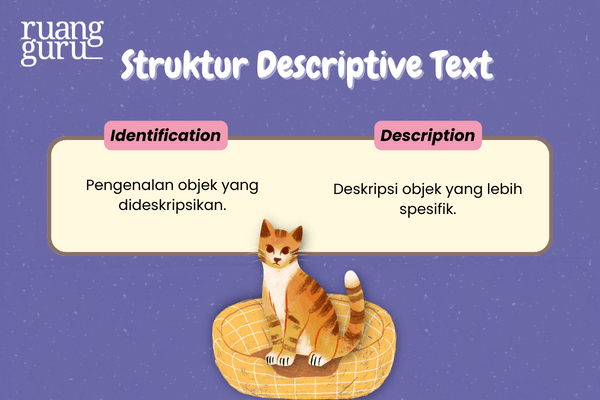
The structure is bifurcated into two primary components: Identification and Description. The Identification phase functions as the introductory segment. Its role is to define the subject of the composition, providing the reader with essential context. For example, when describing an inanimate object, the identification must establish what the object is, its origin, and its significance to the author.

Following this, the Description phase delves into the granular details. This section encompasses the subject’s physical attributes—such as size, color, shape, and texture—as well as non-physical traits, including temperament, history, or functional utility. By maintaining this structural hierarchy, writers can effectively organize information, preventing the narrative from becoming disorganized or overwhelming for the reader.
Categorical Analysis: From Living Subjects to Abstract Concepts
Descriptive writing is highly versatile, applicable across diverse subjects. Analyzing these categories provides a roadmap for effective composition.
Biological and Animal Subjects
When describing living creatures, such as pets, the focus shifts to a blend of physical characteristics and behavioral patterns. For instance, in a profile of a feline, an author might detail the animal’s coat pattern, ocular characteristics, and specific dietary habits. The emotional connection between the subject and the owner adds a narrative layer that humanizes the description, making it more engaging for the audience.
Human Profiles and Character Studies
Describing people requires a nuanced balance between objective observation and subjective qualities. An effective character description involves an analysis of both appearance—such as height, fashion sense, and facial features—and personality traits. This duality allows the reader to understand not just what the subject looks like, but the type of character they embody. Historical figures, such as Vincent van Gogh, represent a unique subset of descriptive writing. Here, the focus expands to include historical context, professional achievements, and the psychological legacy that defines their status in art history.

Spatial and Environmental Descriptions
Describing places—ranging from a personal bedroom to a sprawling high school campus—requires an architectural perspective. Writers must consider the spatial layout, the functionality of different zones, and the atmospheric qualities of the environment. A well-written description of a campus, for instance, should guide the reader through the physical layout, mentioning key facilities like laboratories, auditoriums, and green spaces, while highlighting the environmental impact of these areas on the daily lives of students.
Technological and Object-Oriented Descriptions
In the modern era, describing technological tools like smartphones or digital devices has become a common exercise. These texts focus on specifications, usability, and the integration of the device into daily life. By detailing the screen size, brand, and software applications, the writer illustrates the functional utility of the object, turning a technical specification sheet into a narrative account of personal productivity.

The Role of Descriptive Text in Language Proficiency
The systematic study of descriptive writing is essential for students progressing through secondary and tertiary education. Empirical evidence suggests that students who master descriptive techniques demonstrate higher proficiency in both receptive and productive language skills. The ability to articulate specific details necessitates a broad vocabulary and an understanding of syntactic structures that define modern English.
Furthermore, the pedagogical shift toward interactive learning, utilizing platforms such as "Adapto" or digital learning management systems, has revolutionized how these concepts are taught. By moving away from rote memorization and toward dynamic, multimedia-supported learning, educational institutions are seeing improvements in student engagement and retention.

Broader Implications and Socio-Cultural Impact
Descriptive writing is more than a classroom exercise; it is a critical skill for professional and creative communication. Whether in journalism, marketing, or scientific reporting, the ability to accurately and vividly describe a subject is paramount. For example, a journalist reporting on a new infrastructure project must use descriptive techniques to convey the scale, impact, and aesthetic value of the development to a wide audience.
Moreover, the cross-cultural nature of English as a global lingua franca means that descriptive writing often serves as a tool for cultural exchange. When students describe their local environments, family traditions, or cultural idols, they are effectively translating their lived experience into a global language. This process encourages empathy and cross-cultural understanding, as readers from different geographical locations gain insight into the daily realities of others.

Strategic Guidelines for Implementation
For those aiming to refine their descriptive writing, the following strategies are recommended:
- Prioritize Sensory Language: Replace generic adjectives with specific sensory words. Instead of "a big room," describe "a high-ceilinged chamber with echoing acoustics."
- Maintain Logical Progression: Whether spatial (from top to bottom, or near to far) or categorical (physical to non-physical), ensure that the description follows a clear path.
- Utilize Comparative Imagery: Analogies and metaphors can bridge the gap between the reader’s current knowledge and the new subject. Referring to a subject’s features as being "like a landscape" or "resembling a piece of machinery" provides immediate context.
- Refine Through Revision: Descriptive writing often requires editing to strip away redundant language. Focus on precision; every word should serve to clarify the image in the reader’s mind.
Future Directions in English Language Education
As curricula continue to evolve, the integration of descriptive writing with digital literacy remains a priority. The inclusion of visual aids—photographs, digital illustrations, and videos—complements textual descriptions, creating a multi-modal learning experience. As students engage with complex global topics, the ability to accurately describe, analyze, and synthesize information will remain a core competency in the 21st-century workforce.

In conclusion, the study of descriptive text is an enduring necessity. By mastering the fundamental structures of identification and description, students and professionals alike gain the tools to communicate with clarity, precision, and flair. Whether documenting the intricacies of the natural world, the complexities of human personality, or the innovations of modern technology, descriptive writing provides the essential framework through which we articulate our understanding of the world. Through continued practice, exposure to diverse examples, and the application of professional standards, the art of description will continue to be a cornerstone of effective English communication.
