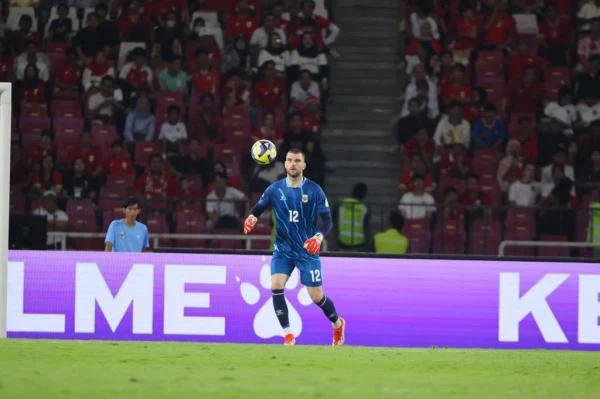
As the excitement surrounding the FIFA ASEAN Cup 2026 reaches a fever pitch in Jakarta, national team goalkeeper Maarten Paes has issued a stern reminder to his teammates: complacency is the greatest threat to their ambitions. With the tournament scheduled to commence on September 25 and conclude on October 5, 2026, the Garuda squad finds themselves in a highly competitive Group A. Alongside the host nation, the group features regional rivals Singapore, Malaysia, and the rising side of Bangladesh.
Paes, who has become a cornerstone of the Indonesian defense, emphasized that the prestige of the tournament and the elevated level of competition across Southeast Asia mean that there is no room for error. His call to action comes at a critical juncture as the squad finalizes their preparations at the national training center, balancing the pressure of home-field expectations with the technical demands of tournament football.
The Strategic Landscape of Group A
The grouping for the 2026 edition of the tournament presents a distinct challenge for Indonesia. While the historic rivalry with Malaysia and Singapore always carries emotional weight, the inclusion of Bangladesh adds a tactical layer of unpredictability. In modern football, the gap between nations in the AFC (Asian Football Confederation) and the AFF (ASEAN Football Federation) regions has narrowed significantly due to professionalization and the integration of diaspora players.
Maarten Paes’ insistence on maintaining focus is rooted in the reality of the tournament format. With only a short window—less than two weeks—to navigate the group stage and push toward the knockout rounds, a single lapse in concentration against any of the three opponents could derail Indonesia’s title aspirations. Analysts note that Singapore and Malaysia have both undergone significant rebuilding phases, making them dangerous adversaries that are capable of capitalizing on defensive transitions.
A Legacy of Ambition: The Road to 2026
The ASEAN Cup has long been the pinnacle of regional football, but the 2026 iteration holds special significance as it aligns with a broader strategy by the PSSI (Football Association of Indonesia) to elevate the national team’s standing on the continental stage. Following recent successes in the FIFA World Cup qualifiers and improved rankings, the expectations placed upon the current generation of players are higher than at any point in the last two decades.
The tournament timeline is compact and demanding:
- September 25, 2026: Tournament Opening and Matchday 1.
- September 28, 2026: Matchday 2, providing a critical test of squad depth.
- October 1, 2026: Final group stage matches determining the knockout qualifiers.
- October 3-5, 2026: Semi-finals and the Grand Final.
For players like Maarten Paes, the intensity of this schedule requires not just physical conditioning, but mental fortitude. Paes noted in his recent briefing that the team has been working on "game management"—the ability to control the tempo of a match regardless of whether the opponent is pressing high or sitting in a low defensive block.
The Role of the Twelfth Man
One of the central themes of Paes’ statement was the essential role of the Indonesian supporters. Known for creating one of the most intimidating atmospheres in world football, the Indonesian fans are expected to fill the stadium for every match. Paes highlighted that the energy from the stands acts as a catalyst for the players, particularly during the grueling final fifteen minutes of matches.
"It is not just about the eleven players on the pitch," Paes remarked during the press conference. "It is about the synergy between the squad and the fans. When the pressure mounts, the support from the first minute to the final whistle provides the necessary push to break down resilient defenses."

This sentiment is shared by the coaching staff, who have been vocal about the "home advantage" being a double-edged sword. While it provides immense motivation, it also brings the weight of expectation. Managing this psychological burden is a key component of the team’s current training regime, as they look to avoid the pitfalls of past tournaments where early hype preceded early exits.
Technical Analysis: Defensive Stability
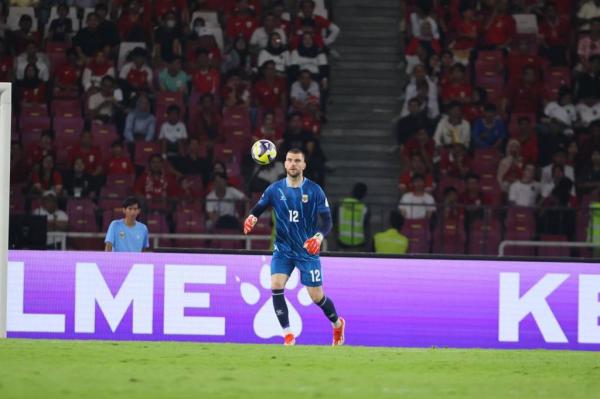
Maarten Paes has been a revelation since joining the squad, bringing high-level experience from his time in European leagues. His leadership from the back is not just confined to shot-stopping; it involves vocal organization of the defensive line. In the modern game, the goalkeeper is the first point of attack, and Paes’ ability to distribute the ball accurately under pressure is a vital component of Indonesia’s tactical identity.
Against teams like Malaysia and Singapore, who often employ counter-attacking strategies, Paes’ role in sweeping behind the high defensive line will be paramount. Any error in communication or positioning could be exploited, which explains the goalkeeper’s emphasis on "total focus." The integration of newer squad members, such as Luke Vickery, further emphasizes the need for cohesion. With debutants eager to prove their worth, the experienced core of the team must ensure that the transition remains seamless.
Broader Implications for Indonesian Football
The 2026 ASEAN Cup serves as a litmus test for the long-term project currently underway in Indonesia. Success in this tournament would not only provide a massive morale boost to the nation but would also validate the investment in scouting and youth development that has been the hallmark of the current administration.
Failure, conversely, would invite scrutiny regarding the sustainability of the current model. However, the tone from within the camp remains optimistic. There is a palpable sense of professional maturity in the current squad—a group that understands that reputation counts for little once the referee blows the opening whistle.

As the countdown to the opening match continues, the message from the training ground is clear: the team is cognizant of the challenges, respectful of their opponents, and singularly focused on the goal of lifting the trophy. For Maarten Paes, the mission is simple—maintain the clean sheet, organize the defensive structure, and ensure that every player remains grounded in the reality that the tournament is won on the pitch, not in the headlines.
Concluding Thoughts on Tournament Outlook
The 2026 FIFA ASEAN Cup represents a defining moment for the sport in Southeast Asia. As the tournament approaches, the eyes of the region will be fixed on Jakarta. The performance of the Indonesian team will be a barometer for the health and potential of the domestic game.
The strategy employed by the team, centered on the discipline championed by figures like Paes, is a reflection of a maturing football culture. By prioritizing consistency, tactical awareness, and the vital link with the fanbase, the Garuda squad is positioning itself as the team to beat. However, as Paes wisely noted, the tournament is a marathon, not a sprint. Every match in Group A serves as a stepping stone, and if the team can maintain the discipline they have demonstrated in their preparations, they stand a strong chance of navigating the group stage and making a deep run into the final stages of the competition.
The wait is almost over. On September 25, the narrative will shift from speculation to action, and the players will have the chance to turn their words into reality. For the supporters, the hope is that this year’s campaign will be remembered as the one where Indonesia reclaimed its place at the pinnacle of ASEAN football, driven by the steady hands of Maarten Paes and the collective will of a nation.