
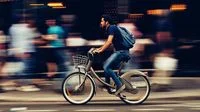
The global shift toward sustainable urban mobility has reached a pivotal juncture in 2026, as evidenced by the latest index released by TimeOut. Identifying the top 20 cities for cycling, the report highlights a significant transformation in how metropolitan areas integrate non-motorized transport into their core infrastructure. By surveying over 24,000 urban residents worldwide, the publication has provided a granular look at the logistical, environmental, and cultural factors that make a city truly "cyclist-friendly."
Methodology and Global Trends
The index is derived from a rigorous assessment of local sentiment, focusing on ease of transit, safety, infrastructure connectivity, and geographical convenience. Unlike previous years, the 2026 data places a heavier emphasis on "intermodal connectivity"—the ability of a cyclist to seamlessly transition from bike lanes to public transit hubs.
The dominance of European cities in the top tier is not merely a product of history but of ongoing investment. Cities like Cambridge, Copenhagen, and Utrecht have evolved from bike-centric hubs into sophisticated transit ecosystems. However, the 2026 rankings also signal a major shift, with Asian and African metropolises closing the gap. This diversification reflects the global urgency to mitigate traffic congestion and carbon emissions, proving that the "cycling revolution" is no longer restricted to Western Europe.
The Champions of Cycling: Top Rankings
Cambridge, England, reclaimed the top spot this year with a score of 83.2 percent. The city’s success is attributed to its unique combination of historic street layouts—which naturally discourage heavy vehicular traffic—and modern cycling infrastructure. Its flat topography and compact nature make it an ideal testing ground for high-density, low-speed transport.
Montreal, Canada, secured the second position with an impressive 82.5 percent, marking it as the leader in North American cycling infrastructure. The city’s commitment to year-round cycling, facilitated by aggressive snow-clearing policies and protected lanes, has transformed its reputation from a seasonal cycling spot to a year-round hub. Kopenhagen, Denmark, often regarded as the gold standard for global cycling, rounds out the top three with 79.2 percent.
The Rise of Global Cycling Hubs
A standout trend in the 2026 report is the emergence of non-traditional cycling hubs. Shanghai, China (ranked 4th), and Taipei, Taiwan (ranked 8th), have leveraged massive investments in public bike-sharing programs and extensive separated bike paths. These cities have managed to integrate cycling into the high-octane pace of Asian metropolitan life, providing a template for other high-density cities in the region.
Seoul, South Korea, entered the list at 11th, demonstrating the impact of its "Bicycle Master Plan," which focuses on connecting the city’s major riverfront paths to the dense inner-city subway network. Meanwhile, Abu Dhabi (15th) serves as a testament to strategic urban planning in the Middle East, proving that even in hot climates, smart design—such as shaded lanes and integration with futuristic public transit—can foster a healthy cycling culture.
Perhaps the most surprising entry is Marrakesh, Morocco, at 7th place. Its inclusion is largely due to the growing popularity of "bike-packing" tourism. While the city center offers a vibrant, albeit chaotic, cycling experience, the proximity to the Atlas Mountains provides world-class infrastructure for endurance cyclists. This dual-purpose appeal has boosted its score significantly, making it a unique case study in how tourism and local utility can coexist.
Chronology of the Cycling Movement
The path to these rankings began in the early 2020s, during the global pandemic, when many cities were forced to rethink street usage.
- 2021-2022: The "Tactical Urbanism" phase. Cities across the globe, led by Paris and Bogota, implemented temporary pop-up bike lanes.
- 2023-2024: The era of formalization. Temporary measures were converted into permanent, concrete-protected infrastructure. Funding for cycling infrastructure surged in the EU’s "Green Deal" and the US Bipartisan Infrastructure Law.
- 2025: The year of integration. Emphasis shifted from simple bike paths to "last-mile" connectivity, where cities began prioritizing bicycle-parking facilities at major train and bus terminals.
- 2026: The year of optimization. Current trends show that cities are now focusing on data-driven safety improvements and artificial intelligence to manage bike-traffic flow.
Economic and Health Implications
The data suggests that the benefits of being a top-ranked cycling city extend far beyond convenience. Cities in the top 20 list consistently report lower healthcare costs per capita due to increased physical activity among the population. Furthermore, the economic impact of cycling infrastructure is profound. Studies have shown that cyclists spend more money at local businesses than motorists, as they are more likely to stop frequently in neighborhood commercial zones.
However, the report also notes a "gentrification challenge." As cities become more bikeable, property values along protected bike lanes tend to rise, potentially displacing lower-income residents. Urban planners in leading cities like Montreal and Copenhagen are now grappling with how to ensure that the benefits of a "green city" remain equitable.
Official Perspectives and Urban Planning
Urban planners and civil engineers point to the 2026 TimeOut data as a validation of the "15-minute city" concept—a planning model where residents can reach all their daily needs within a 15-minute bike ride or walk.
"We are moving past the phase where cycling was seen as a leisure activity," says Dr. Elena Rossi, an urban mobility researcher. "It is now a critical component of national security and economic resilience. When a city can move its population efficiently without relying solely on imported fuel or congested roads, the entire metropolitan engine runs smoother."
In the context of the 2026 findings, the common thread among the top cities is political will. In cities like Seoul and Taipei, the shift occurred because of top-down mandates that prioritized cycling over street-side parking. In Cambridge and Montreal, the momentum was driven by grassroots advocacy, which eventually forced local governments to adopt more ambitious infrastructure goals.
The Challenges Ahead
Despite the progress, the report identifies clear obstacles. In many of the ranked cities, "conflict zones"—intersections where bikes, buses, and cars compete for space—remain the highest cause of accidents. The 2026 report advocates for "Vision Zero" policies, which aim to eliminate all traffic-related fatalities through strict speed enforcement and physical barriers.
Furthermore, climate change presents a dual challenge. As extreme weather events become more frequent, cities must design "climate-resilient" cycling paths that can withstand flooding or extreme heat. The inclusion of cities like Abu Dhabi in the top 20 shows that innovative solutions, such as reflective materials and micro-climate landscaping, are beginning to gain traction.
Conclusion: Looking Toward 2030
As we look beyond 2026, the global trajectory for urban mobility is clear. The distinction between "cycling cities" and "driving cities" is becoming less pronounced as even traditionally car-dependent nations begin to integrate cycling into their long-term urban development plans.
The 2026 TimeOut index is not just a list of the best places to ride a bike; it is a roadmap for the future of urban survival. As populations continue to gravitate toward cities, the ability to move people efficiently and sustainably will define the success of the 21st-century metropolis. For the 20 cities listed, the challenge will be to maintain this momentum, ensuring that the progress made is not only sustained but scaled to include the underserved neighborhoods that remain disconnected from these modern cycling networks.
Whether it is the historic, flat lanes of Cambridge or the mountainous, adventurous paths of Marrakesh, the message is uniform: the bicycle has reclaimed its place at the center of the urban landscape. As citizens and policymakers reflect on these rankings, the question shifts from "if" a city should invest in cycling, to "how quickly" they can implement the necessary changes to ensure their own spot on the list in the years to come.
