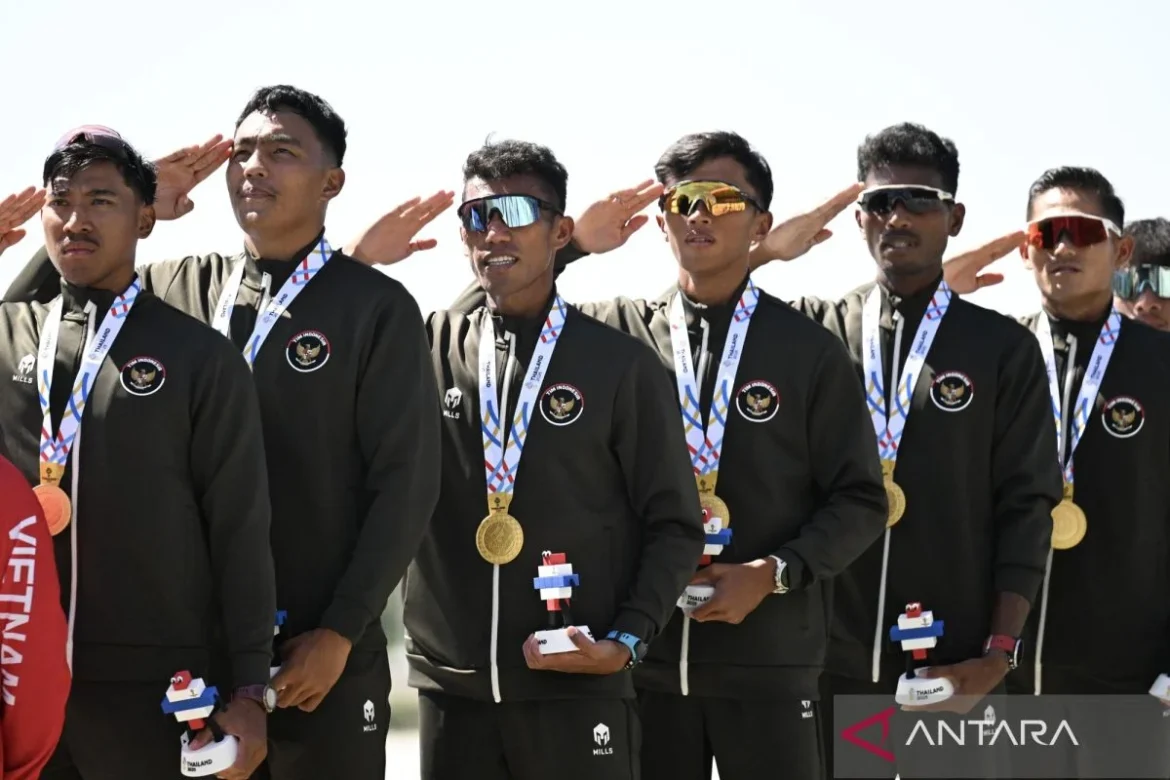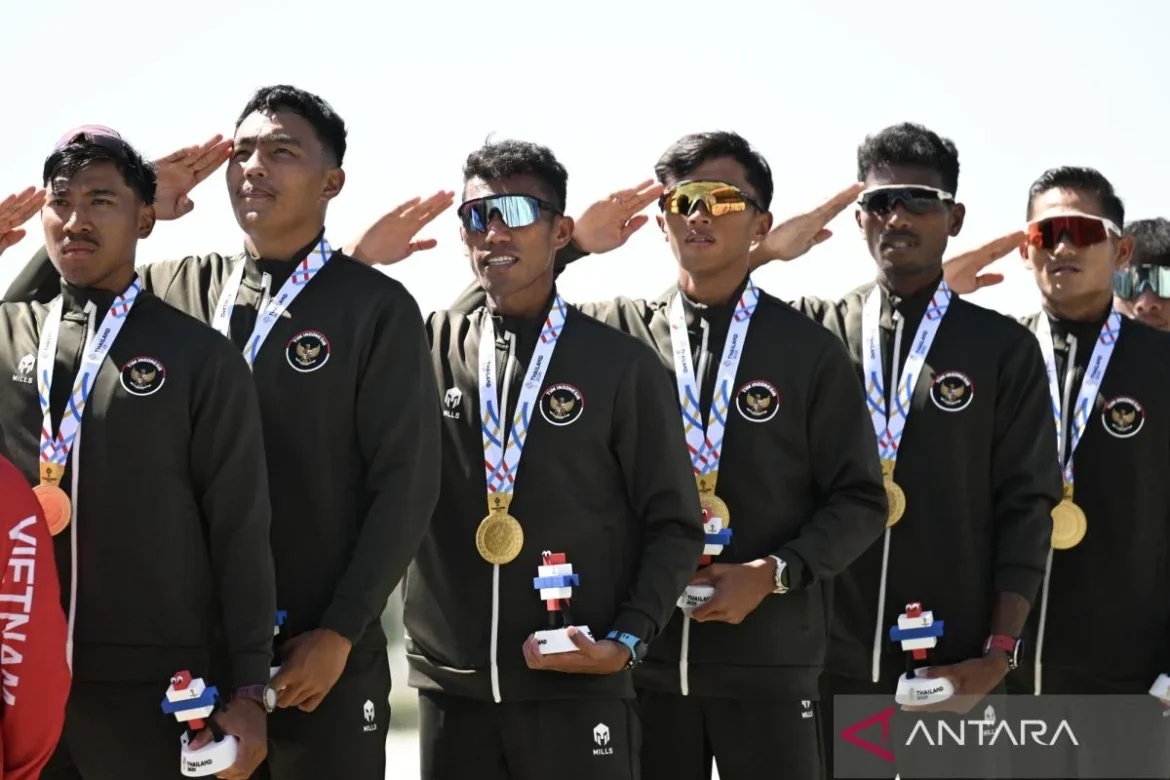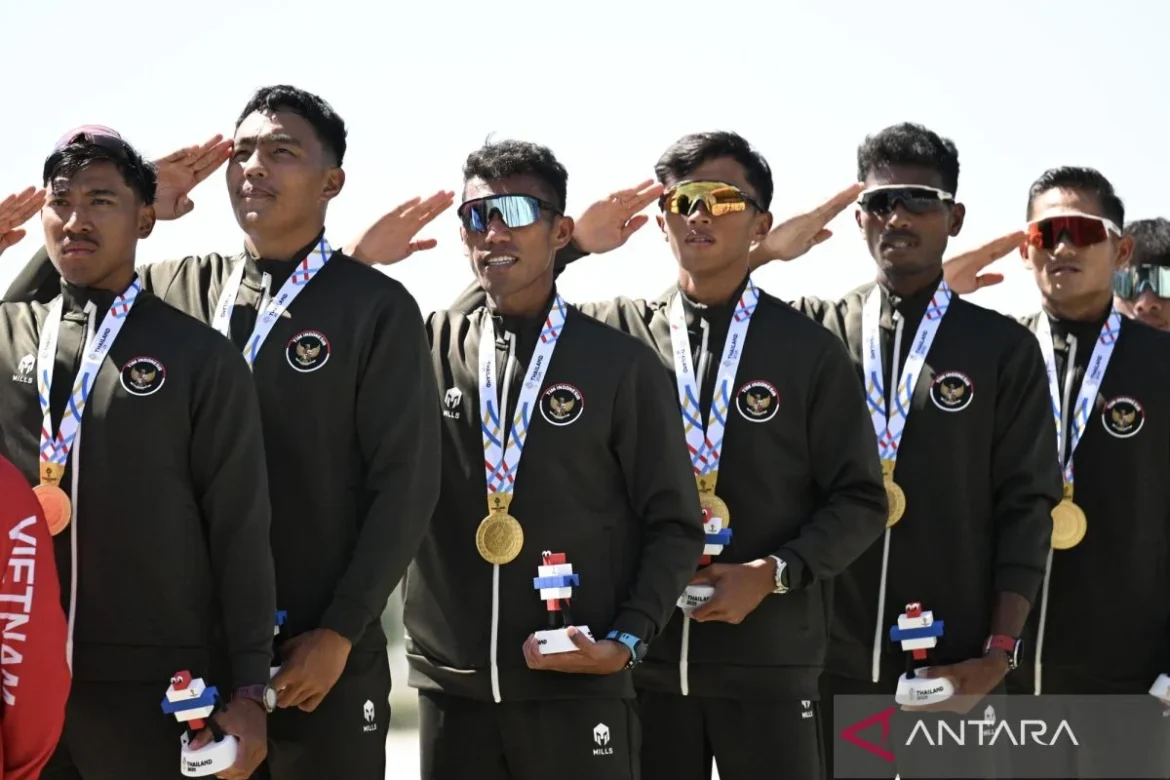
The 33rd Southeast Asian Games (SEA Games) are set to ignite the sporting landscape of the region from December 9 to 20, with Thailand proudly assuming the mantle of host nation. This quadrennial event, a cornerstone of athletic camaraderie and competition within ASEAN, brings together the finest athletes from Southeast Asia, fostering a spirit of unity and sporting excellence. Operating under the auspices of the Southeast Asian Games Federation (SEAGF) and guided by the principles of the International Olympic Committee (IOC) and the Olympic Council of Asia (OCA), the SEA Games represent the pinnacle of sporting achievement in this vibrant part of the world.
The Genesis of a Regional Sporting Tradition: From SEAP Games to SEA Games
The origins of the SEA Games can be traced back to a visionary idea conceived in 1957 by Laung Sukhumnaipradit, the then-Vice President of the Thai Olympic Committee. Driven by a profound desire to strengthen the bonds of brotherhood among Southeast Asian nations through the unifying power of sport, Sukhumnaipradit envisioned an event that would mirror the prestige and developmental impact of established international competitions like the Asian Games and the Olympic Games. His aspiration was to create a platform that would elevate the standard of sportsmanship and athletic development across the ASEAN bloc.
This compelling idea was shared with Dave Kitcher, the then-coach of the Thai Athletics Association. Recognizing the potential of Sukhumnaipradit’s vision, Kitcher took the initiative to further discuss and champion the concept. In February 1958, a crucial meeting took place where the idea was presented to representatives from Cambodia and Vietnam. Both nations embraced the proposal, lending their crucial support to the nascent initiative.
The momentum built from this early endorsement culminated in a significant meeting of the Thai Olympic Committee on February 22, 1958. This gathering saw the participation of Thailand, Cambodia, and Vietnam, alongside delegates from Myanmar, Laos, and Malaysia. In a landmark decision during this assembly, the participating nations unanimously agreed to launch the Southeast Asian Peninsular Games (SEAP Games) in Bangkok, Thailand, in December 1958. This historic agreement also established the bi-annual frequency of the games and paved the way for the formation of the SEAP Games Federation Committee. Thus, Thailand, Vietnam, Malaysia, Cambodia, Myanmar, and Laos were recognized as the founding nations of this ambitious regional sporting endeavor.
The Inaugural Games and Evolving Membership
The inaugural SEAP Games were held in Bangkok, Thailand, from December 12 to 17, 1959. This historic event marked the first step in what would become a cherished regional tradition. While the initial lineup featured six nations, Cambodia’s participation was notably absent. Singapore stepped in to fill this void and officially joined the SEAP Games membership in the same year, signifying the growing appeal and inclusivity of the event.
The federation continued to expand its reach and influence. During the 8th SEAP Games in 1975, a pivotal decision was made by the Federation Committee to welcome Indonesia, Brunei Darussalam, and the Philippines as new members. Their official induction into the fold occurred in 1977, further broadening the competitive landscape and reinforcing the regional solidarity the games aimed to foster.
Coinciding with this expansion, 1977 marked a significant rebranding. The SEAP Games Federation officially changed its name to the Southeast Asian Games Federation (SEAGF), and consequently, the event itself was renamed the SEA Games. This nomenclature shift reflected the evolving scope and ambition of the competition as it grew in stature.
The latest expansion saw Timor-Leste become the eleventh member nation, joining the SEA Games in 2003. This inclusion solidified the Games as a truly pan-Southeast Asian sporting festival, bringing together all independent nations within the geographical and cultural ambit of the region.
The Unique Allure of the SEA Games: A Platform for Cultural Expression
A distinguishing characteristic of the SEA Games, setting it apart from other major international sporting events like the Olympics, is the latitude granted to host nations in selecting additional sports for inclusion. This policy serves a dual purpose: it not only enriches the competitive program but also provides a unique opportunity for host countries to showcase their distinct cultural heritage and national identity through the medium of sport.
This flexibility has led to the inclusion of a fascinating array of sports that reflect the diverse traditions of Southeast Asia. For instance, in 2003, Vietnam introduced traditional events such as cyclo racing and pencak silat, offering spectators a glimpse into their cultural practices. In 2019, the Philippines featured obstacle course racing, a testament to their athletic prowess and unique sporting challenges. More recently, at the 2023 Games, Cambodia proudly presented their ancient martial art, bokator, a discipline with deep historical roots in the Khmer Empire. These localized inclusions add a unique flavor to the SEA Games, transforming it into a vibrant celebration of both athletic achievement and cultural diversity.
The 33rd SEA Games: Thailand’s Grand Stage
For the upcoming 33rd edition, Thailand is poised to host a comprehensive sporting spectacle, featuring a formidable 50 sports. The logistical undertaking of organizing such a massive event has been strategically divided across three key locations: the bustling capital city of Bangkok, the coastal province of Chonburi, and the southern province of Songkhla. This dispersal aims to leverage the diverse infrastructure and geographical appeal of these regions, ensuring a memorable experience for athletes and spectators alike.
The selection of these locations suggests a deliberate effort to showcase different facets of Thailand. Bangkok, as the political and economic heart of the nation, will undoubtedly host many of the flagship events and ceremonies. Chonburi, known for its beautiful beaches and coastal activities, is likely to be the venue for water sports and other beach-centric disciplines. Songkhla, with its rich cultural heritage and strategic location in southern Thailand, offers a unique backdrop for other sporting competitions, potentially including traditional or culturally significant events.
The economic implications of hosting such a large-scale event are significant. Beyond the direct expenditure on infrastructure, athlete accommodation, and event management, the SEA Games are expected to provide a substantial boost to Thailand’s tourism sector. The influx of athletes, officials, media, and spectators from across Southeast Asia, and potentially beyond, will translate into increased demand for hospitality services, transportation, and local attractions. This economic stimulus can have a ripple effect, benefiting various industries and local communities.
Furthermore, the SEA Games serve as a crucial platform for emerging athletes to gain international experience and hone their skills. For many, it is a stepping stone towards qualifying for larger global events such as the Asian Games and the Olympics. The competitive environment of the SEA Games, featuring athletes from diverse backgrounds and skill levels, provides invaluable exposure and fosters a spirit of friendly rivalry that transcends borders.
Looking Ahead: The Enduring Legacy of the SEA Games
As the 33rd SEA Games approach, the anticipation is palpable. The event represents more than just a series of athletic competitions; it is a testament to the enduring spirit of cooperation and friendship that defines Southeast Asia. The Games offer a unique opportunity to celebrate the region’s rich cultural tapestry, promote healthy lifestyles, and inspire the next generation of athletes.
The success of the SEA Games is intrinsically linked to the dedication and passion of the athletes, the unwavering support of the organizing committees, and the enthusiastic participation of the fans. Thailand, with its established reputation for hosting international events and its deep appreciation for sports, is well-positioned to deliver a memorable and impactful 33rd SEA Games, further cementing the event’s legacy as a cornerstone of regional unity and athletic excellence. The coming weeks will undoubtedly be filled with thrilling performances, inspiring stories, and the vibrant celebration of Southeast Asian sporting prowess.