

Former Indonesian Minister of Maritime Affairs and Fisheries, Susi Pudjiastuti, has put forward a compelling proposal to process the invasive armored catfish, commonly known as ikan sapu-sapu or pleco (Pterygoplichthys spp.), caught in Jakarta’s waterways, into valuable products such as fish feed, animal feed, or organic fertilizer. This innovative suggestion comes in the wake of significant criticism from the Indonesian Ulema Council (MUI) regarding the current practice of mass extermination, particularly the method of burying the fish alive, which the council deemed inhumane and a violation of animal welfare principles.
The Growing Crisis of Invasive Armored Catfish in Jakarta’s Waters
The presence of ikan sapu-sapu in Jakarta’s rivers and canals has become a pressing environmental issue, with official reports indicating that these non-native fish now constitute an alarming proportion—over 60%, and in some areas, more than 70% as reported by the Ministry of Marine Affairs and Fisheries (KKP)—of the aquatic biomass. Originally native to the Amazon basin in South America, Pterygoplichthys spp. were introduced to Indonesian waters primarily through the aquarium trade. Their hardiness, rapid reproduction rate, and lack of natural predators in local ecosystems have allowed them to thrive and outcompete native fish species, severely disrupting the delicate ecological balance.
These invasive armored catfish are known for their voracious appetites and bottom-dwelling habits, which lead to significant habitat alteration. They burrow into riverbanks, causing erosion and muddying the water, which in turn reduces light penetration and negatively impacts aquatic vegetation vital for other species. Their dominance also deprives native fish of food resources and breeding grounds, threatening local biodiversity and the livelihoods of traditional fishermen who rely on indigenous species. The sheer scale of their population growth necessitated intervention from the Jakarta Provincial Government, which initiated a mass culling program to control their numbers.
Ethical Quandaries: MUI’s Stance on Animal Welfare
The methods employed in the culling program, specifically the practice of burying the ikan sapu-sapu alive, drew sharp rebuke from the Indonesian Ulema Council (MUI). Miftahul Huda, Secretary of the MUI’s Fatwa Commission, underscored the importance of rahmatan lil ‘alamin (mercy to all creations) and kesrawan (animal welfare) principles in the context of wildlife management. Speaking on Sunday, April 19, Miftah clarified that while Islamic jurisprudence permits the killing of animals if it brings about greater good or prevents harm, the method of live burial constitutes unnecessary suffering and torment.
"Such a method is considered to inflict unnecessary pain," Miftah stated, as quoted by MUI Digital. He further emphasized that from an ethical animal welfare perspective, burying animals alive is inhumane and fails to minimize suffering. However, Miftah acknowledged the Jakarta Provincial Government’s objective to control the ikan sapu-sapu population as a legitimate and positive step towards protecting the environment. He highlighted that this aligns with maqāṣid syariah, specifically falling under the category of "modern ecological necessities" (ḍharūriyyāt ekologis modern), which permits actions to safeguard essential environmental integrity. The challenge, therefore, lies not in the objective of population control, but in the humane execution of such measures.
Susi Pudjiastuti’s Vision for a Circular Economy
Responding to the ethical debate and the practical challenge of managing large quantities of caught fish, Susi Pudjiastuti, known for her bold and unconventional policies during her tenure as minister, offered several innovative and sustainable alternatives. Her proposals, articulated on Monday, April 20, pivot around transforming a perceived environmental nuisance into a valuable resource, aligning with circular economy principles.
"Just turn them into fish feed or animal feed, grind them into fish pellets," Susi suggested, as quoted by detikcom. This idea leverages the high protein content of fish, including armored catfish, which can be processed into a crucial component for aquaculture and livestock farming. Fish meal and pellets are vital for the growth and health of farmed fish, poultry, and other animals. Developing a local industry for ikan sapu-sapu pellets could reduce reliance on imported feed ingredients, offering economic benefits while addressing the environmental problem. The process would involve cleaning, grinding, drying, and pelletizing the fish, creating a marketable product from what is currently considered waste.
Beyond animal feed, Susi also proposed using the caught fish as agricultural fertilizer. "Or it can also be used as plant fertilizer; it can be sent to plantations, chopped up and buried in agricultural land," she elaborated. This method involves a simpler processing technique, potentially just chopping the fish into smaller pieces and composting them or directly burying them in crop fields. The organic matter and nutrients from the fish would enrich the soil, improving fertility and plant growth, thereby reducing the need for synthetic fertilizers. This approach aligns with organic farming practices and could benefit local agricultural communities.
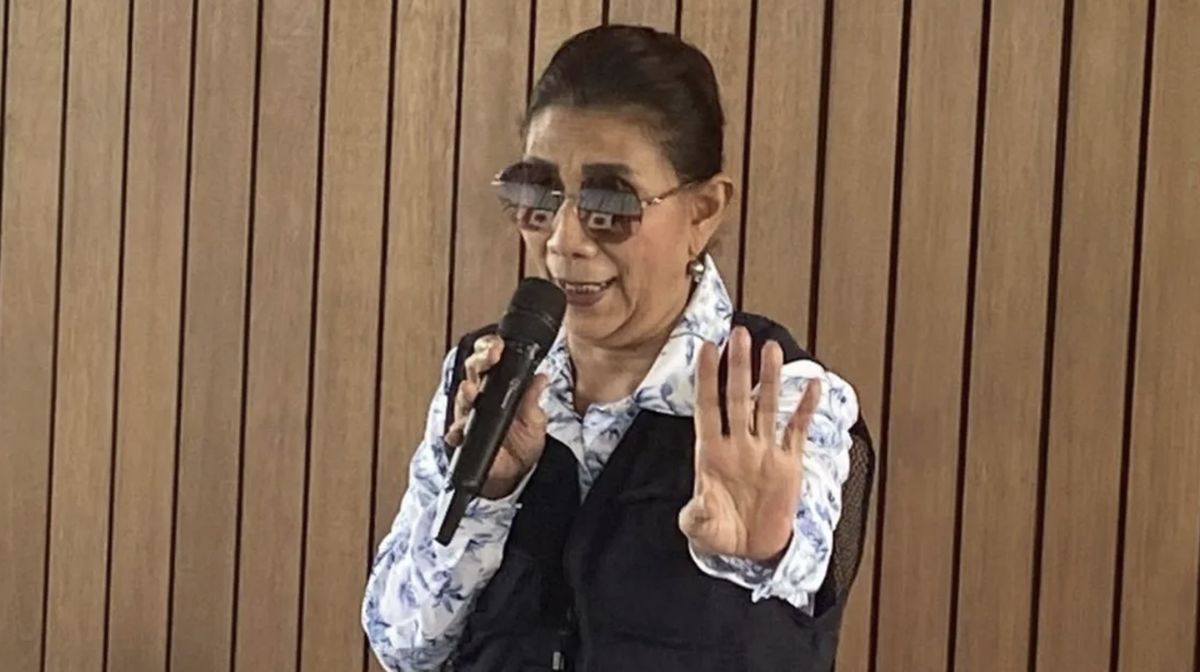
Furthermore, Susi suggested that the processed ikan sapu-sapu could serve as feed for other carnivorous animals. "Or give it to crab farmers after freezing, or crocodile farmers," she added. This idea opens up possibilities for niche markets, particularly for aquaculture operations raising crabs or for crocodile farms, which require significant amounts of protein-rich feed. Freezing the fish would ensure preservation and allow for transport to various farming locations, creating another avenue for resource utilization. These diverse suggestions highlight Susi’s pragmatic approach to environmental management, seeking solutions that are both ecologically sound and economically viable.
Government’s Pledge for Humane and Expert-Driven Solutions
In response to the MUI’s critique and Susi Pudjiastuti’s proposals, Jakarta Governor Pramono Anung acknowledged the need for a more humane approach to managing the invasive species. Speaking in South Jakarta, Governor Anung stated that his administration would seek input from experts well-versed in religious law and animal welfare to refine the procedures for handling the culled fish. "Regarding the questions and suggestions from MUI, I will ask experts to adjust the procedures," Pramono affirmed.
The Governor reiterated the provincial government’s justification for the mass culling policy, emphasizing the severe ecological imbalance caused by the armored catfish. "Indeed, the ikan sapu-sapu population in Jakarta’s aquatic biota is already more than 60 percent. Even the KKP reported more than 70 percent, but I stated more than 60 percent," he explained. This high percentage signifies a critical threat to native aquatic life and the overall health of Jakarta’s aquatic ecosystems, necessitating urgent and large-scale intervention. The government’s challenge now is to balance this environmental imperative with ethical considerations for animal treatment, a task that requires careful consultation and innovative solutions.
Broader Ecological and Economic Implications
The debate surrounding ikan sapu-sapu in Jakarta is a microcosm of a larger global challenge: the management of invasive alien species (IAS). IAS are a leading cause of biodiversity loss worldwide, costing economies billions of dollars annually through damage to agriculture, fisheries, and infrastructure. In Indonesia, an archipelagic nation with immense biodiversity, the threat from IAS like the armored catfish is particularly acute. The case of ikan sapu-sapu underscores the critical need for proactive policies, public awareness, and effective management strategies to prevent new introductions and control existing populations.
Susi Pudjiastuti’s proposals offer a potential pathway towards a sustainable solution that moves beyond mere eradication. By transforming a problematic species into a valuable resource, Jakarta could set a precedent for other regions grappling with similar invasive species challenges. The economic implications of such a venture are significant. Establishing processing facilities for fish meal, animal feed, or organic fertilizer from ikan sapu-sapu could create new jobs, stimulate local economies, and foster innovation in waste-to-resource technologies. The market for animal feed in Indonesia, a major aquaculture and livestock producer, is substantial and growing, offering a ready demand for such products. Similarly, the demand for organic fertilizers is increasing as agricultural practices shift towards sustainability.
However, implementing these proposals on a large scale would not be without challenges. Initial investments would be required for collection, transportation, processing equipment, and quality control. Ensuring the safety and efficacy of the processed products, especially for animal and fish feed, would be paramount, requiring rigorous testing for contaminants that might be present in the polluted waters of Jakarta. Furthermore, public perception and acceptance of products derived from ikan sapu-sapu would need to be managed effectively.
A Holistic Approach to Environmental Stewardship
This incident highlights the complex interplay between environmental conservation, economic development, and ethical considerations. The Jakarta Provincial Government faces the dual responsibility of safeguarding its natural ecosystems from invasive species and ensuring that its methods align with societal values of humane treatment. Susi Pudjiastuti’s intervention provides a crucial bridge, offering pragmatic solutions that address both the ecological imperative and the ethical concerns raised by the MUI.
The discussion initiated by the MUI and the subsequent proposals from Susi Pudjiastuti are invaluable for shaping future environmental policies in Indonesia. They call for a more holistic and nuanced approach to invasive species management, one that not only focuses on eradication but also explores innovative ways to derive value from the problem, thereby fostering a more sustainable and ethical relationship with the natural world. As Jakarta seeks expert advice and considers these alternatives, the outcome could serve as a model for urban environmental management, demonstrating how ecological challenges can be transformed into opportunities for innovation, economic growth, and ethical stewardship. The path forward for Jakarta’s ikan sapu-sapu problem will undoubtedly involve a blend of scientific expertise, economic feasibility, and a deep respect for all living creatures.
