
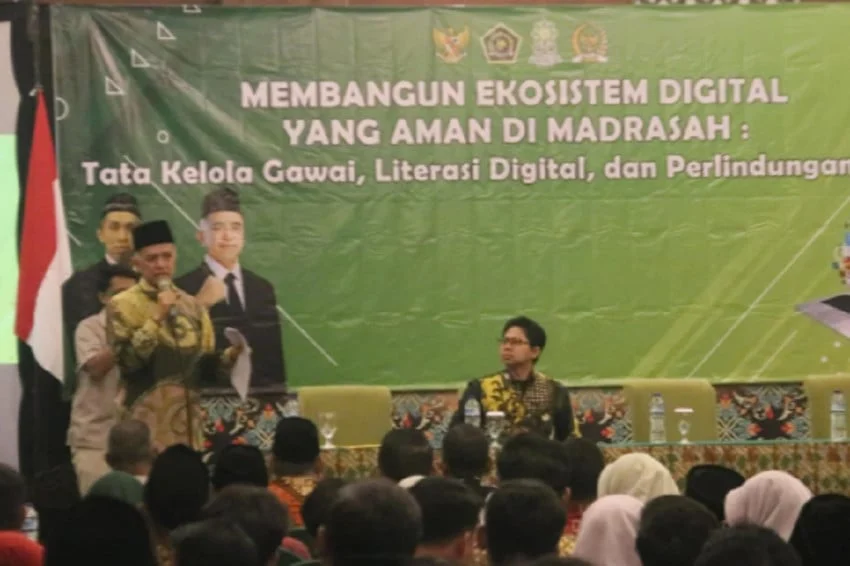
The landscape of Islamic education in Indonesia is undergoing a critical period of evolution, as stakeholders push for a structural and cultural shift toward more inclusive, humanistic, and digitally literate environments. In a recent collaborative initiative, the Commission VIII of the House of Representatives (DPR RI), which oversees religious and social affairs, joined forces with the Faculty of Tarbiyah at UIN Raden Mas Said Surakarta to spearhead a series of strategic seminars. These events, held across the Sukoharjo region, serve as a platform for addressing the multifaceted challenges facing madrasas—Islamic schools—as they navigate the pressures of modern pedagogical standards and the rapid integration of technology.
The Core Mandate: Redefining the Madrasa Environment
The initiative focuses on two primary pillars: the establishment of inclusive educational practices and the cultivation of safe digital ecosystems. By emphasizing "inclusive transformation," the organizers aim to move beyond traditional academic metrics and focus on the fundamental rights of students, including accessibility for those with diverse learning needs and the proactive prevention of bullying or social exclusion.
As the educational sector faces increasing scrutiny regarding student welfare, this partnership highlights the necessity of transforming madrasas from rigid, traditional institutions into dynamic spaces that foster psychological safety. The seminars, titled "Inclusive Madrasa Transformation: Strengthening Protection, Accessibility, and the Creation of Humanistic, Equitable Learning Environments" and "Building a Safe Digital Ecosystem in Madrasas: Gadget Governance, Digital Literacy, and Child Protection," underscore the urgency of equipping educators with the tools to manage the intersection of faith-based learning and the digital age.
Chronology and Context of the Strategic Initiative
The series of dialogues, which took place in the Central Java region, was born out of a growing concern among legislators and academics regarding the vulnerability of students in institutional settings. In the months leading up to these seminars, Commission VIII observed a rise in reports concerning both cyber-bullying and the lack of infrastructural support for students with disabilities within rural religious education centers.
The timeline of this intervention reflects a broader government strategy to standardize quality across the Indonesian education system. By engaging the academic expertise of UIN Raden Mas Said, the DPR is attempting to bridge the gap between policy formulation at the national level and the practical realities on the ground in regions like Sukoharjo. The seminars were structured to act as a bridge, bringing together school administrators, teachers, and policymakers to dissect current bottlenecks in student management and digital integration.
Data-Driven Challenges in Modern Islamic Education
The impetus for this movement is grounded in current educational data trends. According to the Ministry of Religious Affairs, there are over 80,000 madrasas across Indonesia, ranging from primary to senior secondary levels. While these institutions provide a vital service, they often struggle with a "digital divide." Research indicates that while smartphone penetration among students is high, digital literacy remains alarmingly low, leading to instances of cyber-harassment and the consumption of inappropriate content.
Furthermore, the concept of "Inclusive Education" is still in its infancy in many rural religious schools. Data from educational observatories suggest that less than 30% of standard madrasas are physically equipped to handle students with physical or learning disabilities. The collaboration between the DPR and UIN Raden Mas Said seeks to address this by promoting the "Humanistic Education" model, which mandates that institutions must adapt to the student—not the other way around. This involves retrofitting facilities and training faculty in pedagogical strategies that accommodate diverse learning profiles.
Official Responses and Legislative Oversight
Singgih Januratmoko, Deputy Chairman of Commission VIII of the DPR, has been a vocal proponent of this initiative. During the proceedings, he emphasized that the evolution of the madrasa system is no longer a luxury but a necessity for national development.
"The challenges facing madrasas today are significantly different from those of the past," Januratmoko stated. "With the advent of high-speed connectivity and changing social norms, our educational institutions must be resilient. We cannot simply rely on traditional methods while the world around our students is being reshaped by digital technology. Our goal is to ensure that every madrasa is a sanctuary of learning that protects the child’s dignity while preparing them for a globally competitive future."
The academic perspective, provided by the Faculty of Tarbiyah, centers on the implementation of "Gadget Governance." Rather than banning technology, the UIN team advocates for a structured integration where digital tools are treated as academic resources, subject to strict oversight and ethical guidelines. This shift requires a change in school policy, moving from punitive measures toward educational guidance that teaches students how to navigate the internet safely.
Analysis: Implications for the Indonesian Educational System
The implications of this collaboration are significant. By fostering a dialogue between the legislative branch and the academic community, the government is signaling a shift toward evidence-based policy in religious education. If successful, this model could be replicated in other provinces, creating a nationwide standard for inclusive and digitally-safe madrasas.
However, the transition faces substantial hurdles. Financial constraints are the primary barrier, as upgrading physical accessibility and digital infrastructure requires significant capital. Furthermore, the cultural transition—shifting from a highly hierarchical pedagogical model to a more collaborative, humanistic one—will require long-term investment in teacher training.
The move also underscores a critical recognition: Islamic education in Indonesia is moving toward professionalization. The push for accreditation and the focus on digital safety are indicative of a system that is responding to the demands of parents and society for greater accountability and quality.
Building a Sustainable Future
Looking forward, the roadmap for these madrasas involves three distinct phases. The first phase is awareness, which these seminars have facilitated. The second phase involves technical training for educators, focusing on digital curriculum development and special needs education. The final phase is institutional reform, where schools will be required to adopt formal policies regarding child protection and anti-bullying, which will eventually be linked to their accreditation status.
The partnership between Commission VIII and UIN Raden Mas Said is essentially a blueprint for collaborative governance. It demonstrates that the legislative body can function effectively as a catalyst for educational improvement when paired with the research-driven approach of higher education institutions.
As the digital landscape continues to expand, the ability of madrasas to protect their students while providing them with the skills to participate in a modern, inclusive society will determine the future trajectory of millions of Indonesian students. The efforts in Sukoharjo serve as a microcosm of a much larger ambition: to ensure that the heritage of Islamic education remains relevant, safe, and equitable in the 21st century.
For parents, students, and educators, these developments offer a glimpse of a more structured future. The emphasis on "Humanistic Education" suggests that the holistic well-being of the student—mental, physical, and digital—is finally taking center stage in the discourse on Indonesian education. By prioritizing these values, the DPR and the academic community are not merely updating the curriculum; they are safeguarding the next generation against the risks of an increasingly interconnected world while fostering an environment where every student, regardless of their background or ability, has the opportunity to thrive.
