
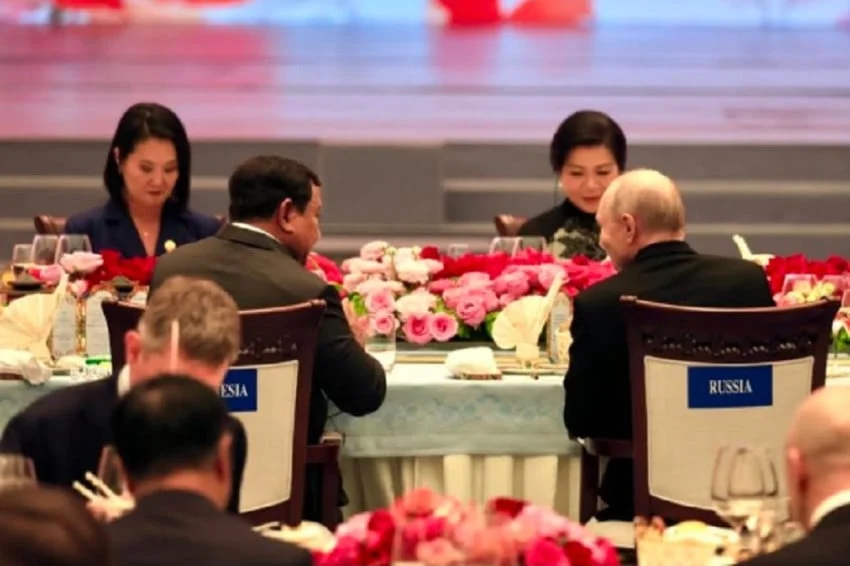
In a significant display of diplomatic rapport, Indonesian President Prabowo Subianto and Russian President Vladimir Putin were observed sharing a table and engaging in deep conversation during the gala dinner of the 33rd Asia-Pacific Economic Cooperation (APEC) Leaders’ Summit. The event, hosted by Chinese President Xi Jinping in Shenzhen on Wednesday evening, November 18, 2026, served as a high-profile backdrop for the two leaders to solidify bilateral ties amidst a complex and rapidly shifting global geopolitical landscape.
The imagery of the two leaders sitting in close proximity has drawn international attention, particularly as Indonesia continues to navigate a policy of non-alignment while seeking to expand its economic and defense partnerships. The dinner, which gathered the world’s most influential leaders, provided a rare opportunity for informal diplomacy outside the rigid constraints of plenary sessions.
The Context of the 33rd APEC Summit in Shenzhen
The 33rd APEC Summit, held in the innovation hub of Shenzhen, China, comes at a time of heightened global economic uncertainty. APEC, which accounts for approximately 60% of global GDP and nearly half of world trade, remains a critical forum for discussing regional economic integration, supply chain resilience, and digital transformation.
This year’s summit is marked by the presence of major global powers, including the United States, Russia, and China. President Prabowo’s attendance is part of his broader effort to position Indonesia as a pivotal middle power capable of facilitating dialogue between conflicting blocs. By sitting alongside President Putin, Prabowo has signaled that Indonesia’s foreign policy remains grounded in pragmatism, prioritizing national interest through open lines of communication with all major global players.
Chronology of the Diplomatic Engagement
The gala dinner served as the ceremonial opening of the summit. According to the official social media channels of the Indonesian Presidency, the event was meticulously organized by the host, China, to foster informal networking among heads of state.
- Wednesday Morning: Arrival of delegates and preliminary bilateral meetings.
- Wednesday Afternoon: Formal opening of the APEC Economic Leaders’ Meeting.
- Wednesday Evening (19:30 Local Time): Commencement of the gala dinner hosted by President Xi Jinping.
- The Interaction: During the banquet, protocol seating arrangements placed President Prabowo immediately adjacent to President Putin. Observers noted that the two leaders spent a significant portion of the dinner in active dialogue.
- Official Communication: The @presidenrepublikindonesia Instagram account officially documented the interaction, highlighting the cordial atmosphere of the evening and the focus on mutual respect and shared economic goals.
Historical Ties and Future Strategic Outlook
Indonesia-Russia relations have traditionally been characterized by cooperation in energy, agriculture, and defense. Under the leadership of President Prabowo, there has been a notable interest in diversifying Indonesia’s strategic partners. While Indonesia maintains strong economic ties with the West, the administration has consistently expressed a desire to maintain a "free and active" (bebas dan aktif) foreign policy.
From a trade perspective, Russia represents a significant market for Indonesian commodities, particularly palm oil and coffee, while Indonesia has historically looked toward Russian expertise in energy infrastructure and technology. Discussions between the two leaders, though informal, are widely interpreted as a reaffirmation of the bilateral framework that has remained stable despite the fluctuations in the international political environment since 2022.
Analytical Perspective: Navigating the Geopolitical Maze
The interaction between the Indonesian and Russian leaders carries substantial weight for international observers. For Indonesia, the engagement is a manifestation of its strategic autonomy. By maintaining cordial relations with Moscow, Jakarta avoids being pigeonholed into a binary choice between Western-led alliances and those led by the BRICS+ framework.
Economic analysts suggest that this meeting may lead to follow-up discussions on energy security. As Indonesia seeks to transition its economy toward more sustainable industrial practices, cooperation with Russia—a major global energy supplier—remains a logical, albeit sensitive, policy avenue.

Furthermore, the presence of both Donald Trump and Vladimir Putin at the same summit creates a high-stakes environment. For President Prabowo, the ability to engage with such divergent figures on the same night underscores his role as a diplomatic bridge-builder. The proximity of the seats at the gala dinner was not merely a matter of protocol; it provided a platform for the leaders to discuss regional stability without the formal pressures of a bilateral summit document.
Official Responses and Media Coverage
The Indonesian Presidential Secretariat has emphasized that the dinner was a platform for strengthening regional cooperation. The official statement noted: "President Prabowo attended the welcoming gala dinner led by the President of the People’s Republic of China, His Excellency Xi Jinping, ahead of the 33rd APEC Summit."
The focus remains on "economic connectivity" and "sustainable growth," which are the core themes of this year’s summit. While the media has focused heavily on the optics of the Prabowo-Putin conversation, the Indonesian government has reiterated that these interactions are standard components of international diplomacy aimed at securing Indonesia’s economic interests in the Asia-Pacific region.
The Broader Impact on APEC
The 33rd APEC Summit is pivotal for the future of the Asia-Pacific Free Trade Area (FTAAP). With the global economy facing inflationary pressures and fragmented supply chains, the ability of leaders like Prabowo to maintain open communication channels is essential.
The inclusion of Russia in these high-level dialogues ensures that the APEC agenda remains representative of the diverse economic interests within the region. By engaging with Putin, Prabowo is effectively ensuring that Indonesia’s voice is heard across all spectrums of the international community, ensuring that its interests in food security, energy transition, and infrastructure development are protected.
Strategic Implications for Indonesia
Moving forward, the interaction in Shenzhen is likely to lead to intensified diplomatic activity between Jakarta and Moscow. Analysts expect that there may be subsequent meetings at the ministerial level to discuss specific economic agreements that were touched upon during the dinner.
For Indonesia, the primary takeaway is the strengthening of its diplomatic leverage. In an era where global polarization is at an all-time high, the capacity to sit down with leaders of opposing factions demonstrates a level of diplomatic maturity and confidence that is expected to enhance Indonesia’s standing in international forums.
Conclusion
The gala dinner at the 33rd APEC Summit in Shenzhen was more than just a ceremonial event; it was a snapshot of the complex, multifaceted nature of modern global relations. The sight of President Prabowo Subianto and President Vladimir Putin in deep conversation serves as a reminder that even in a world defined by strategic competition, the channels of dialogue remain open and active.
As the summit continues, the international community will be watching closely to see if these informal discussions translate into concrete policy outcomes. For now, the image of the two leaders sitting side-by-side stands as a testament to the persistent nature of diplomacy in the face of global change, and a clear signal of Indonesia’s intent to remain a key player in the shaping of the future Asia-Pacific order.
The event concludes, but the ramifications of these engagements will continue to resonate throughout the remainder of the summit and into the next phase of Indonesia’s international relations. With the eyes of the world on Shenzhen, the Indonesian delegation has successfully navigated the complexities of global power dynamics, ensuring that its national interests are represented at the highest levels of the global stage.
