

The phenomenon of school refusal, often characterized by a child’s intense emotional distress or physical complaints regarding school attendance, represents a significant challenge for families worldwide. While schools are foundational to the cognitive and social development of a child, the experience is not always seamless. Educators and child psychologists observe that when a child suddenly develops an aversion to attending classes, it is rarely a result of simple laziness. Instead, it frequently serves as a behavioral manifestation of underlying psychological stressors, environmental conflicts, or developmental hurdles. Addressing this issue requires a systematic, evidence-based approach that balances empathy with the necessity of maintaining academic routines.
Understanding the Mechanics of School Refusal
School refusal, distinct from "truancy," is defined by a child’s persistent avoidance of school, often accompanied by severe emotional outbursts or somatic symptoms. Unlike truancy, where a child may hide their absence from parents, school-refusing children typically remain at home with their parents’ knowledge. Data from the Child Mind Institute suggests that this behavior is often rooted in anxiety—ranging from separation anxiety in younger children to social anxiety or academic performance pressure in adolescents.
The escalation of school refusal often follows a predictable pattern. Initially, a child may voice minor complaints, such as vague headaches or stomach aches on Sunday evenings or Monday mornings. If these complaints are dismissed or, conversely, if the child is permitted to stay home without intervention, the behavior can quickly solidify into a habit. Over time, the anxiety associated with returning to the classroom increases, creating a feedback loop where the child feels increasingly overwhelmed by the prospect of facing the environment they have been avoiding.
Analyzing the Root Causes: A Multifaceted Approach
To effectively address the situation, parents must first move beyond the assumption that the behavior is defiant. Experts categorize the motivations for school refusal into four primary drivers:
- Avoidance of Negative Affect: The child is trying to escape school-based stimuli that provoke feelings of anxiety, depression, or fear. This could be related to bullying, fear of academic failure, or an inability to cope with specific social dynamics.
- Escape from Social or Evaluative Demands: This occurs when the child feels intense pressure regarding public speaking, physical education, or competitive testing environments.
- Seeking Attention or Positive Reinforcement: The child may perceive the home environment as more nurturing, rewarding, or safer than the school environment, leading to a desire to stay home to be closer to parents.
- Pursuit of Tangible Rewards: Occasionally, the motivation is external, such as the desire to spend time playing video games or engaging in non-academic activities that are unavailable during school hours.
Chronology of Intervention: A Step-by-Step Guide for Parents
When a parent identifies that a child is experiencing persistent school refusal, a structured response plan is essential. The following steps, adapted from clinical best practices, provide a roadmap for managing the crisis:
Phase 1: Diagnostic Dialogue
The first step is the initiation of an open, non-judgmental conversation. Parents should avoid accusatory language, which often exacerbates the child’s anxiety. Instead, open-ended questions—such as "What part of the day feels the most difficult for you?" or "Are there specific moments where you feel most uncomfortable?"—can help pinpoint the stressor. It is crucial for parents to document these conversations, as they provide vital context for teachers or counselors later.
Phase 2: Medical Evaluation
Because school refusal often manifests physically, parents must rule out underlying medical conditions. Chronic stomach aches, nausea, or dizziness should be evaluated by a pediatrician. If no physical pathology is found, the symptoms should be treated as "psychosomatic indicators" of emotional distress rather than fabricated excuses.
Phase 3: Coordination with Educational Institutions
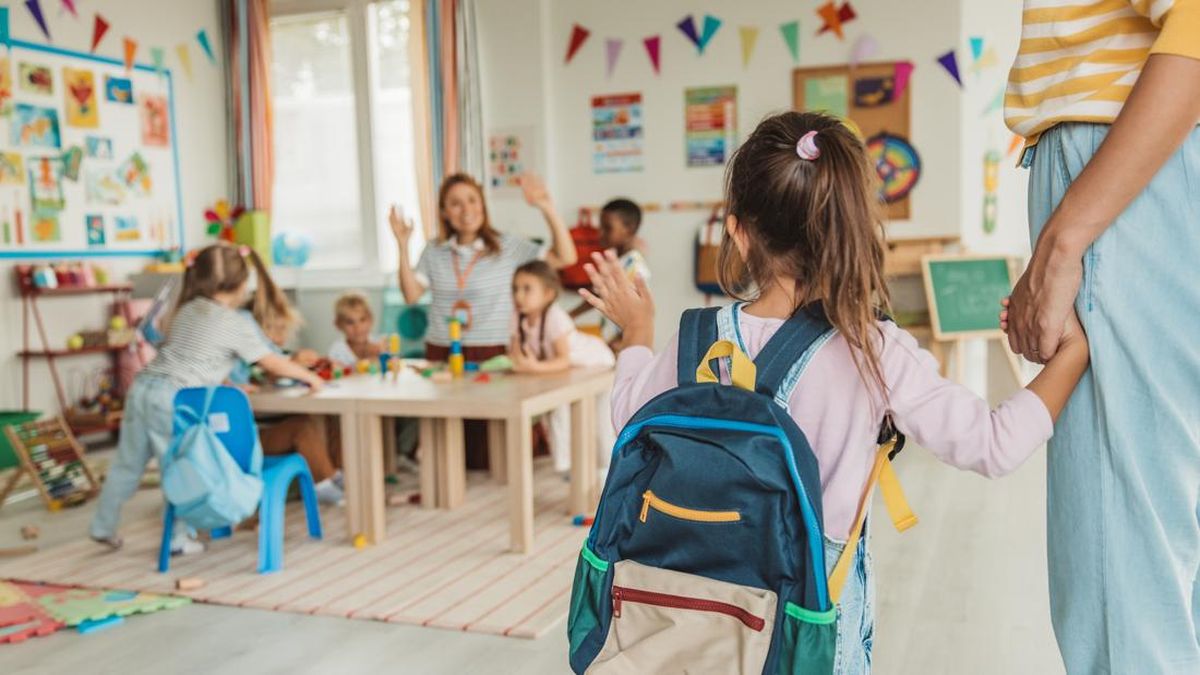
Collaboration between the home and the school is non-negotiable. Parents should contact school administrators or guidance counselors to discuss the child’s situation. Schools often have internal support systems, including counseling services or academic adjustments, that can be implemented to ease the child’s transition back into the classroom.
Phase 4: The Gradual Re-entry Strategy
For children who have been absent for an extended period, an immediate, full-day return can be counterproductive. Experts recommend a "gradual exposure" approach. This may involve the child visiting the school after hours to normalize the environment, attending only half-days, or participating in select subjects where they feel most confident before resuming a full schedule.
Broader Implications and Long-Term Psychological Impact
The societal implications of unaddressed school refusal are significant. Research published in the Journal of Child Psychology and Psychiatry indicates that children who struggle with school refusal and do not receive timely intervention are at a higher risk for developing long-term anxiety disorders, academic underachievement, and social isolation.
Furthermore, the impact extends to the family unit. Parents often experience increased stress, professional disruption, and strained relationships with their children. This is why mental health professionals emphasize that school refusal is a systemic issue rather than an isolated problem. In more severe cases, clinical interventions such as Cognitive Behavioral Therapy (CBT) are recommended. CBT helps children identify irrational fears associated with school and teaches them coping mechanisms to manage physiological stress responses.
Institutional and Parental Responsibilities
From a policy perspective, schools are increasingly adopting "early warning systems" to identify children at risk of absenteeism. These systems track not only attendance rates but also behavioral changes in the classroom. When a child begins to exhibit signs of withdrawal or increased trips to the school infirmary, the school’s intervention team is triggered to reach out to the family proactively.
Parents, meanwhile, hold the responsibility of balancing empathy with consistency. It is a delicate equilibrium; if the parent is too rigid, the child may feel alienated, but if the parent is too permissive, the child may lose the ability to self-regulate in stressful situations. The ultimate goal of any intervention is not merely to get the child back to their desk, but to restore their sense of safety and competence within the educational environment.
Conclusion: Acting Before the Behavior Becomes Chronic
The consensus among child development experts is clear: time is of the essence. The longer a child remains out of school, the more daunting the task of returning becomes. The "avoidance" behavior acts as a self-reinforcing mechanism; every day the child stays home, the anxiety regarding the return the following day increases.
Parents should view the school environment as a critical partner in the child’s development. By maintaining a transparent, collaborative, and patient relationship with educators, and by seeking professional support when the child’s distress exceeds the family’s capacity to manage, parents can effectively navigate the complexities of school refusal. By addressing the emotional roots of the behavior, families can ensure that the child does not just return to school, but thrives within it, fostering the resilience necessary for their future success.
