
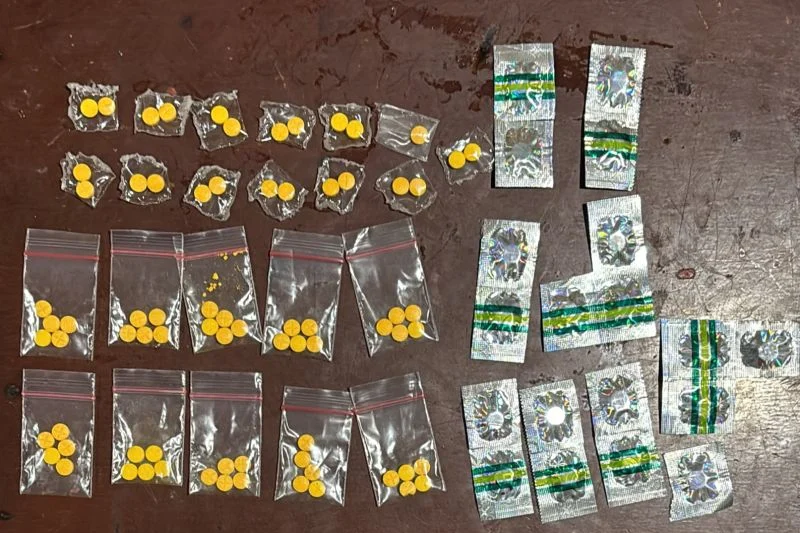
The Metropolitan Police across Jakarta have launched a series of high-profile operations resulting in the arrest of multiple suspects involved in the distribution of narcotics and illicit pharmaceutical drugs. This coordinated enforcement effort, primarily conducted under the banner of Operasi Nila Jaya, reflects an aggressive strategy by law enforcement to dismantle distribution networks operating within the capital. From September 9 to September 17, 2026, authorities across the five administrative cities of Jakarta successfully seized thousands of illegal pills and significant quantities of methamphetamine, signaling a persistent challenge in controlling the city’s underground drug trade.
The Scope of Operasi Nila Jaya 2026
Operasi Nila Jaya is an annual strategic initiative implemented by the Indonesian National Police to curb drug trafficking, abuse, and the proliferation of illegal substances. In 2026, the operation has taken on increased urgency following reports of rising clandestine transactions, particularly those disguised within legitimate retail environments. The recent wave of arrests highlights a multifaceted approach: targeting street-level dealers, dismantling organized supply chains linked to correctional facilities, and shuttering storefronts acting as fronts for illicit pharmaceutical sales.
The sheer scale of the seizures—ranging from methamphetamine handled by domestic syndicates to over 70,000 units of restricted drugs confiscated in a single sweep in Tanah Abang—illustrates that the illicit drug market in Jakarta remains deeply entrenched. Law enforcement agencies are currently working to determine if these disparate arrests are connected to larger, centralized criminal syndicates or if they represent a fragmented landscape of independent operators taking advantage of urban density.
Coordinated Enforcement: A Breakdown of Recent Operations
The tactical maneuvers conducted by various precinct offices demonstrate the localized nature of these criminal networks.
West Jakarta: Targeting the Domestic Supply Chain
The Jakarta Barat (West Jakarta) Metropolitan Police Narcotics Unit successfully apprehended a husband-and-wife duo, identified by their initials YM and PI, in the Cakung area of East Jakarta. The operation was initiated following community intelligence reports indicating that the couple was leveraging their domestic environment to facilitate the distribution of methamphetamine. According to AKBP Vernal A. Sambo, the arrest was the culmination of surveillance efforts aimed at identifying key nodes in the local supply chain. The arrest of a couple suggests a familial model of drug distribution, which is often used by syndicates to avoid suspicion and blend into residential neighborhoods.
Mampang Prapatan: Unmasking Prison-Controlled Networks
In a separate incident, the Mampang Prapatan Sector Police arrested an individual who served as both a user and a dealer. The case is particularly concerning to authorities as it involves evidence of remote coordination from within a correctional facility. AKP Purwaditya, the Head of Criminal Investigation for the sector, confirmed that the suspect had been receiving instructions from an incarcerated individual regarding where to pick up and distribute the narcotics. This revelation highlights the ongoing struggle to isolate high-security prisoners from external communication, a recurring issue that law enforcement agencies continue to grapple with nationwide.
North Jakarta: Combating Illegal Pharmaceutical Distribution
The North Jakarta Metropolitan Police focused their efforts on the retail sector during Operasi Nila Jaya. Between September 9 and 17, they confiscated 4,212 pills of illegal Class G pharmaceuticals from four suspects: MN, AZ, EF, and US. The suspects were operating out of cosmetic shops located in the districts of Koja, Cilincing, and Tanjung Priok. By using legitimate-looking storefronts as covers for the sale of regulated substances, the suspects sought to bypass standard pharmacy regulations and health safety inspections.
Central Jakarta: Large-Scale Seizures at Tanah Abang
The most significant volume of illegal pharmaceuticals was seized by the Central Jakarta Metropolitan Police. Acting on tips regarding illegal transactions near the Blok G area of the Tanah Abang market, police apprehended four suspects and secured 74,997 units of restricted drugs. Kombes Pol. Dr. Reynold E.P. Hutagalung emphasized that the density of the Tanah Abang market makes it a primary target for illicit drug traders looking for a high volume of foot traffic. This specific bust is seen as a major blow to the distribution of "daftar G" (restricted) drugs, which are frequently abused by laborers and youth populations due to their low cost and accessibility.
Analysis of the Narcotics Landscape in Jakarta
The data gathered during this week of operations provides a snapshot of the challenges facing urban policing in Indonesia. The shift toward distributing "daftar G" drugs—which are pharmaceuticals intended for legitimate medical use but often misused for their sedative or stimulant effects—represents a growing public health crisis. Unlike synthetic narcotics like methamphetamine, which are entirely prohibited, restricted pharmaceuticals are often stolen from supply chains or sold without a prescription, making them harder to track through traditional drug-enforcement protocols.
Furthermore, the involvement of individuals residing in correctional facilities in directing street-level sales points to a systemic vulnerability in the Indonesian prison system. Despite the implementation of signal jammers and restricted visitation policies, the ability of incarcerated inmates to command external criminal activity remains a critical failure point that law enforcement officials are actively seeking to address through increased inter-agency cooperation.
Socio-Economic Implications and Public Safety
The economic disparity in Jakarta often drives individuals toward the "shadow economy" of drug distribution. For the suspects involved in the North Jakarta and Central Jakarta cases, the conversion of cosmetic shops into drug fronts suggests that economic desperation, combined with a lack of oversight in the retail sector, creates a conducive environment for illicit activities.
From a public health perspective, the widespread availability of these substances in areas like Tanah Abang, a hub for thousands of daily commuters and workers, poses a significant threat to social stability. The consumption of these pills can lead to erratic behavior, long-term health degradation, and increased rates of petty crime. By removing over 79,000 illicit items from the market in under ten days, the police have effectively disrupted a significant portion of the capital’s drug supply, though officials concede that the root causes—demand and supply chain accessibility—require more than just tactical arrests.
Future Outlook and Strategic Development
The Jakarta Metropolitan Police have confirmed that Operasi Nila Jaya 2026 will continue to evolve. Future strategies are expected to include:
- Enhanced Surveillance of Retail Outlets: Closer monitoring of cosmetic and health supplement shops, particularly in high-traffic commercial zones.
- Digital Forensic Investigation: Strengthening efforts to track communications between incarcerated individuals and external dealers, potentially involving cooperation with the Ministry of Law and Human Rights.
- Community-Based Prevention: Encouraging residents to continue providing tips to local police, as the majority of these arrests were successful due to public tip-offs.
The objective is to create a hostile environment for drug traffickers by increasing the risk of capture and the likelihood of prosecution. As these cases move through the legal system, the authorities hope that the sentences handed down will serve as a deterrent to other potential distributors. However, the recurring nature of these crimes—particularly the prison-controlled distribution model—suggests that until the supply chain is severed at the source, the police will remain in a state of perpetual enforcement.
In conclusion, the events of September 17, 2026, serve as a stark reminder of the complexity of the drug trade in Jakarta. While the arrests of these individuals and the seizure of thousands of illicit units represent a tangible victory for the police, the structural challenges of the illicit drug market require ongoing vigilance, inter-agency collaboration, and a more robust approach to pharmaceutical regulation to ensure the long-term safety and health of the capital’s population. The commitment shown by the various precinct offices underscores the broader mandate of the Indonesian National Police to safeguard the city against the pervasive influence of narcotics and the misuse of controlled substances.
