
The Strategic Shift Toward Data-Driven Fleet Management
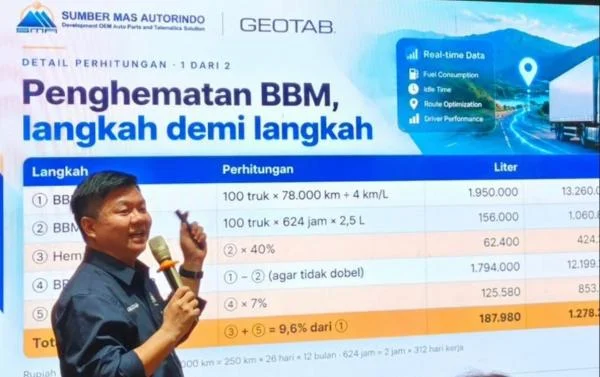
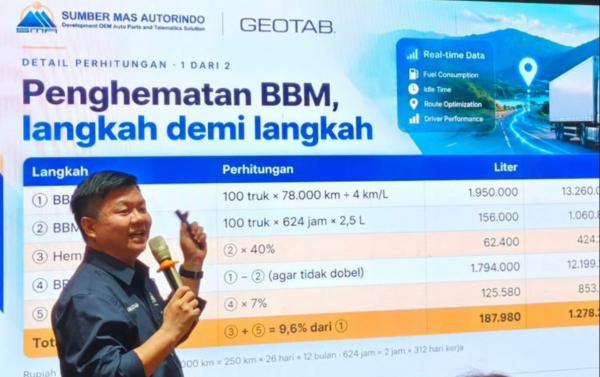
The contemporary corporate environment is defined by razor-thin margins, particularly in industries heavily reliant on vehicle fleets. For companies operating commercial or logistics fleets, fuel costs often represent the single largest variable expense. Through the implementation of advanced telematics, firms can now monitor idle times, optimize delivery routes, and track vehicle diagnostics in real-time. This granular level of control allows managers to identify inefficient driving patterns, such as excessive acceleration or braking, which directly impact fuel economy.
However, the value proposition of telematics extends far beyond balance sheets. As urban traffic congestion continues to rise and the density of road users increases, the risk of accidents involving commercial vehicles has become a primary concern for fleet operators. The recent discussions at the SMA Fleet Tech Update 2026 underscored this shift, highlighting the role of technology in accident prevention and risk management. PT Sumber Mas Autorindo (SMA), in its capacity as a strategic partner to the American telematics giant Geotab, has been at the forefront of introducing these high-tech solutions to the Indonesian market.
Integrating Hardware and Software for Real-Time Monitoring
Modern telematics systems are no longer just GPS trackers. Today’s platforms integrate a comprehensive suite of hardware and software, including high-definition interior and exterior cameras, G-force sensors, and engine control unit (ECU) interfaces. This ecosystem provides a 360-degree view of fleet operations.
When a vehicle is on the road, the system continuously streams data regarding its location, speed, and mechanical health. If the onboard sensors detect erratic driving behavior—such as harsh steering or sudden braking—the software can trigger an automated alert. In more advanced setups, AI-powered cameras can detect distracted driving, such as the use of mobile phones or signs of fatigue, providing immediate haptic or audible feedback to the driver. This "preventative intervention" is crucial in reducing the frequency of road incidents before they occur.
Insights from the SMA Fleet Tech Update 2026
During the SMA Fleet Tech Update 2026, industry experts and stakeholders gathered to evaluate the current state of transport logistics. Merisca Indriany, Director of PT SMA, emphasized that the adoption of telematics is a multi-dimensional investment. According to Indriany, the technology serves as a critical tool for protecting a company’s reputation. In an era where a single video of a reckless delivery driver can go viral and damage a brand’s public image, proactive fleet monitoring serves as a vital safeguard.
"Technology telematics is not just about cost-cutting; it is about building a safer, more responsible operational framework," Indriany noted during the proceedings. By maintaining a transparent record of driver performance, companies can create incentive programs that reward safe driving, thereby shifting the corporate culture from a punitive model to one that encourages professional growth and safety consciousness.
Chronology of Telematics Evolution in Logistics
The transition toward digital fleet management has occurred in distinct phases:
- Early Adoption (2010–2015): Primarily focused on basic GPS tracking for location visibility. Fleet managers knew where their vehicles were, but not how they were being driven.
- Diagnostic Integration (2016–2020): The introduction of OBD-II (On-Board Diagnostics) integration allowed companies to monitor engine health, reducing downtime through predictive maintenance.
- Behavioral Analytics (2021–2024): The rise of G-sensors and accelerometers enabled the monitoring of driver habits, leading to a significant reduction in insurance premiums for companies with documented safety records.
- AI and Computer Vision (2025–Present): The current era, where cameras and machine learning algorithms provide real-time situational awareness, enabling immediate intervention and automated incident reporting.
Supporting Data and Market Implications
Global market research indicates that the fleet telematics market is projected to grow at a compound annual growth rate (CAGR) of over 15% through 2030. This growth is driven by stringent government regulations regarding road safety and the increasing necessity for businesses to reduce their carbon footprint.
Data collected from fleets utilizing Geotab’s platform has shown that companies can reduce fuel consumption by up to 10-15% within the first year of deployment. Furthermore, accident rates are frequently reduced by 20% or more as drivers become aware that their actions are being monitored and analyzed. These statistics are compelling for logistics firms that face rising insurance costs and the legal liabilities associated with road traffic accidents.

Addressing the Human Element: Safety and Responsibility
While the technology is powerful, its successful implementation depends on the human element. There is often apprehension among drivers regarding being "watched" constantly. Industry leaders like PT SMA advocate for a transparent approach, where drivers are educated on how the technology protects them. For instance, in the event of an accident where the driver is not at fault, the video evidence captured by the telematics system can be the difference between exoneration and wrongful litigation.
Recent accidents in metropolitan areas, such as the unfortunate incident in Blok M, Jakarta, where a multi-vehicle collision resulted in significant injury, highlight the devastating consequences of human error or mechanical negligence. While telematics cannot replace human judgment, it acts as a constant, objective observer that can mitigate the severity of such occurrences. When drivers are trained to respond to the data provided by telematics, they become more attuned to their surroundings, reducing the likelihood of high-speed collisions or incidents caused by inattention.
The Broader Economic Impact
The adoption of telematics also plays a pivotal role in the "Green Logistics" movement. By optimizing routes, reducing engine idling, and ensuring that vehicles are maintained at peak performance, companies significantly lower their greenhouse gas emissions. For corporations under pressure to meet Environmental, Social, and Governance (ESG) targets, telematics is an essential tool.
Moreover, the insurance industry is increasingly tailoring its premiums based on telematics data. Companies that can demonstrate a track record of safe driving—backed by immutable data logs—are being rewarded with lower premiums. This creates a virtuous cycle where safety becomes a competitive advantage.
Looking Ahead: The Future of Autonomous and Connected Fleets
As we look toward the latter half of the 2020s, the integration of telematics will only become more sophisticated. With the advent of 5G connectivity and edge computing, the latency between data capture and analysis will reach near-zero, allowing for even more rapid interventions. Furthermore, as electric vehicles (EVs) become more common in corporate fleets, telematics will evolve to include complex battery management, charging cycle optimization, and range prediction.

The collaboration between local partners like PT SMA and global leaders like Geotab serves as a blueprint for how developing markets can leapfrog traditional logistics challenges. By importing world-class technology and adapting it to local road conditions and cultural contexts, Indonesia is positioning itself as a leader in smart logistics in the Southeast Asian region.
Conclusion
The rapid expansion of telematics is not merely a trend; it is a fundamental shift in how the world moves goods and services. By prioritizing the combination of data, hardware, and safety, companies are transforming their fleets into intelligent assets. While the initial investment in such technology may seem significant, the long-term benefits—ranging from reduced fuel costs and lower maintenance expenditures to enhanced safety and improved brand reputation—are undeniable. As demonstrated by the discussions at the SMA Fleet Tech Update 2026, the future of transportation belongs to those who embrace the data-driven path, ensuring that every kilometer traveled is as safe, efficient, and transparent as possible. The commitment to these technologies is ultimately a commitment to a more sustainable and secure future for all road users.
