
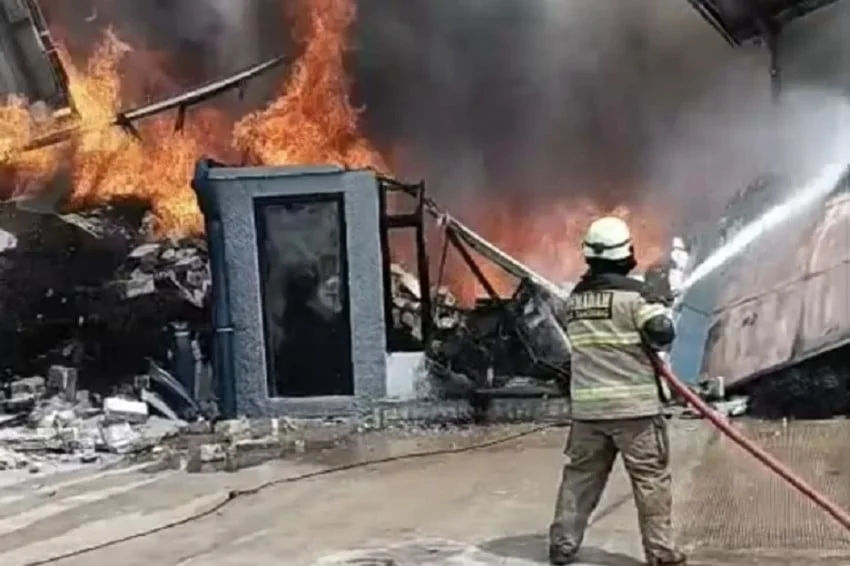
A major fire broke out at a residential apartment complex located on Jalan Teluk Intan, Penjaringan, North Jakarta, on Sunday, September 20, 2026, forcing the emergency evacuation of 53 residents. The blaze, which originated from an electrical short circuit on the eighth floor, rapidly escalated, engulfing five floors of the structure and causing significant material damage. Local authorities, including the Jakarta Fire and Rescue Agency (Gulkarmat), were deployed immediately to contain the situation, which highlighted ongoing concerns regarding high-rise fire safety standards in densely populated urban areas like Jakarta.
The Initial Incident and Escalation
The fire was first reported in the early hours of Sunday. Preliminary investigations conducted by the North Jakarta Fire and Rescue Agency indicated that the primary ignition source was a malfunctioning electrical panel located on the eighth floor of the apartment building. According to the Head of Operations for the North Jakarta Fire and Rescue Agency, Gatot Sulaeman, the building’s internal security team was the first to detect the smoke and fire.
"The short circuit occurred in the electrical panel on the eighth floor. The internal security staff attempted to neutralize the fire using portable fire extinguishers (APAR) immediately upon discovery, but the intensity of the flames and the rapid spread of smoke rendered these initial efforts ineffective," Sulaeman stated.
The failure to contain the fire at the source allowed the flames to breach the confines of the eighth-floor hallway. Due to the vertical layout of the apartment and the potential presence of flammable materials in the common areas, the fire spread rapidly to four adjacent floors. By the time emergency responders arrived, the fire had consumed a total area estimated at 156 square meters. The rapid spread necessitated a high-level response from the fire department to prevent the blaze from reaching the building’s roof or spreading to other towers within the complex.
Evacuation and Emergency Response
The situation became critical as thick smoke began to fill the stairwells and elevator shafts, effectively cutting off escape routes for many residents. Firefighters were forced to conduct a complex search and rescue operation, navigating through low visibility to reach trapped residents.
A total of 53 individuals were successfully evacuated from the affected floors. While there were no immediate reports of fatalities, several residents were treated for smoke inhalation by medical personnel stationed at the scene. Ambulances were kept on standby, and local disaster management agencies were brought in to provide temporary shelter and basic supplies to the displaced families.
The firefighting operation involved multiple fire trucks and dozens of personnel. The primary challenge faced by the responders was the height of the building, which required specialized equipment to pump water to the upper levels. The operation lasted for several hours as crews worked to perform "cooling down" procedures to ensure that hidden hot spots in the walls or ventilation ducts did not reignite.
Contextualizing Urban High-Rise Fire Risks
This incident in Penjaringan serves as a stark reminder of the fire safety challenges facing Jakarta’s vertical residential developments. In the last decade, the rapid expansion of apartment complexes in North Jakarta has outpaced the modernization of fire safety infrastructure in some older buildings.
Common causes for high-rise fires in the city include overloaded electrical circuits, aging electrical wiring that fails to handle the power consumption of modern appliances, and the occasional failure of automatic fire suppression systems, such as sprinklers and smoke detectors. While building management is legally required to perform regular maintenance, the actual enforcement of these standards remains a point of contention among safety advocates.

According to data from the Jakarta Fire and Rescue Agency, electrical short circuits remain the leading cause of residential fires in the capital. These incidents often occur because of "DIY" electrical modifications, the use of sub-standard electrical components, and the lack of periodic inspections by certified professionals. The 156-square-meter damage at the Penjaringan apartment is a significant financial loss, but experts note that had the fire spread further, the consequences for the densely populated residential corridor could have been catastrophic.
Official Statements and Procedural Implications
Authorities have launched a formal investigation into the incident to determine if there was any negligence regarding the maintenance of the electrical panel. The Jakarta Police and the local Fire Department are currently reviewing the building’s fire safety logs to determine when the last mandatory safety audit was conducted.
"We are investigating whether the fire suppression systems—beyond the initial APAR attempts—were functional at the time of the incident. Buildings of this height are required to have active fire protection systems that function automatically. If it is found that the system failed to trigger, or that maintenance was neglected, the building management could face administrative or legal sanctions," a spokesperson for the local precinct noted.
In the aftermath, the building management has been instructed to provide a detailed report on the structural integrity of the affected floors. Experts from the Public Works and Housing Agency are expected to inspect the building to determine if the fire caused damage to the load-bearing columns or walls. Until this assessment is complete, the affected floors have been cordoned off, and residents have been advised to seek temporary accommodation.
Broader Implications for Jakarta’s Safety Standards
The Penjaringan fire has reignited public discourse regarding the "Fire Safety Certification" (Sertifikat Laik Fungsi/SLF) for high-rise buildings in Jakarta. While the government has mandated that all residential towers must obtain an SLF, which includes rigorous fire safety standards, the process of renewal and ongoing compliance monitoring is often criticized for its bureaucratic hurdles and lack of transparency.
Furthermore, the incident highlights the need for better public education. Many residents in high-rise apartments are unfamiliar with emergency evacuation protocols or how to effectively use the building’s internal fire safety equipment. The 53 residents evacuated on Sunday were fortunate that the fire was detected during the day when visibility and movement were easier; had the incident occurred in the middle of the night, the outcome could have been significantly different.
The Jakarta administration is now under pressure to conduct a city-wide audit of electrical safety in older apartment complexes. Such an audit would likely focus on identifying buildings with outdated wiring systems that are prone to the type of short circuits seen in this incident.
Looking Ahead: Prevention and Preparedness
As the residents of the Penjaringan apartment begin the process of recovery, the incident serves as a critical case study for urban planners. The integration of "Smart Fire Detection" systems—which provide real-time alerts to both the fire department and building management—could potentially mitigate the lag time between an initial spark and a professional response.
Additionally, the reliance on manual fire extinguishers by security guards proved insufficient. The event underscores the necessity for automated, high-pressure sprinkler systems to be the first line of defense in high-rise buildings, minimizing the need for human intervention in the early, most volatile stages of a fire.
For now, the priority remains the restoration of essential services and ensuring that the displaced residents are supported. However, as the investigation into the Sunday fire proceeds, the findings will likely lead to stricter regulations and more frequent, unannounced inspections of high-rise safety systems across North Jakarta. The lessons learned from the Penjaringan disaster will be instrumental in preventing similar tragedies in the future, as the city continues to densify and vertical living becomes the standard for millions of Jakarta’s inhabitants.
