
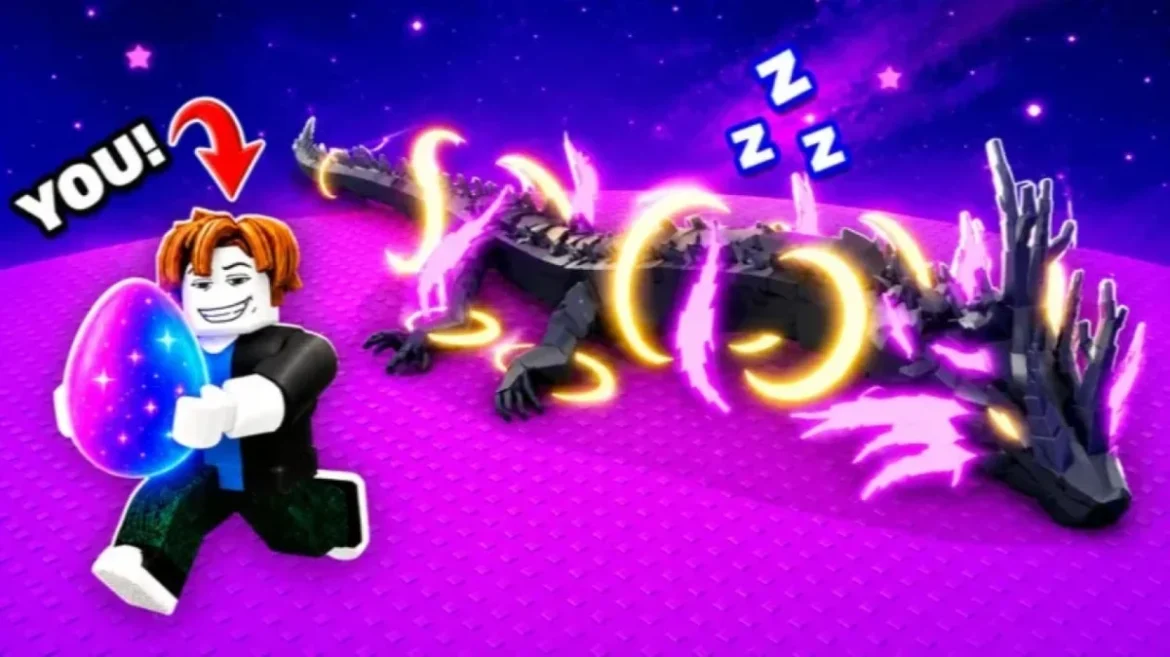
Steal an Egg has emerged as a cornerstone title within the Roblox ecosystem, captivating a massive player base with its deceptively simple yet highly strategic gameplay loop. As of September 19, 2026, the game continues to evolve, maintaining its popularity through a refined progression system that challenges players to infiltrate diverse environments, retrieve eggs, and nurture them into powerful companions known as pets. These digital assets are not merely cosmetic; they serve as the primary engine for economic growth within the game, generating passive income that allows players to optimize their bases, increase movement speed, and unlock increasingly perilous biomes.
The Mechanics of Economic Progression in Steal an Egg
The core appeal of Steal an Egg lies in the synergy between exploration and economic management. Upon successfully securing an egg from a specific biome and transporting it back to their home base, players initiate an incubation process. Once hatched, the resulting pet immediately begins to yield currency at a rate determined by its rarity tier.
Data aggregated from community indices and game analytics as of mid-September 2026 confirms that this passive income generation is the primary metric for player advancement. For instance, a entry-level Common pet, such as the Chicken, generates a baseline of approximately $1 per second. In stark contrast, high-tier specimens like the Legendary-class Brr Brr Patapim can produce upwards of $1,800 per second. This drastic disparity in output underscores the importance of strategic pet acquisition; players who focus solely on low-tier hoarding often find themselves stagnating, whereas those who target high-rarity eggs effectively "snowball" their resources to dominate the game’s meta-economy.
Chronology of Content Expansion
Since its inception, Steal an Egg has undergone several major updates to keep the gameplay loop fresh. Throughout 2025 and early 2026, developers implemented a tiered biome system that acts as a gatekeeper for player progression. Early-game zones, such as the Forest, provide a stable environment for novices to farm basic currency and obtain common creatures like the Dog, Bird, Owl, Raccoon, Bear, and Fox.
As the game matured, the developers introduced more complex environments that require specific character upgrades to access. By the second quarter of 2026, the inclusion of "Event Biomes" and seasonal updates significantly shifted the rarity distribution. According to industry tracking and reports from IGN, the game’s pet database has expanded by nearly 40% compared to the 2025 launch statistics. This rapid expansion is a calculated move to prevent endgame players from reaching a resource ceiling, ensuring that even veteran players must continuously engage with the game’s latest challenges to secure the newest, most lucrative creatures.
The Ten Tiers of Rarity
The complexity of the game is mirrored in its tiered rarity system, which currently consists of ten distinct classifications. This hierarchy is essential for both balancing the game economy and fostering a competitive trading environment among players.
- Common: The baseline tier, primarily found in starter biomes.
- Uncommon: A slight upgrade, providing marginally better yields.
- Rare: Accessible after the initial phases of the game.
- Epic: A pivotal tier where income generation begins to scale significantly.
- Legendary: High-output pets that typically require extensive effort to acquire.
- Mythic: Extremely rare spawns that offer substantial economic advantages.
- Cosmic: Tiered for late-game players, these pets often feature unique visual effects.
- Secret: Often tied to hidden mechanics or specific event triggers.
- Eternal: Representing a milestone in player achievement.
- Divine: The pinnacle of the rarity scale, encompassing highly coveted pets like the Kitsune and Nightflame.
The inclusion of Divine-tier pets marks the current "endgame" status for most players. These pets are not only status symbols but are mathematically essential for maintaining a competitive edge in the late-game economy, where base upgrades cost billions in virtual currency.
Community Impact and Economic Implications
The secondary market and community-driven guides surrounding Steal an Egg have become a vital component of the Roblox experience. Because the game relies on RNG (Random Number Generation) for hatching, player communities have formed to trade, share farming strategies, and track the spawn rates of specific biomes.
From an analytical perspective, Steal an Egg represents a successful implementation of "Idle Game" mechanics within a 3D sandbox environment. The psychological reinforcement of seeing one’s wealth accumulate automatically—made possible by the pets—creates a strong "hook" that keeps players logged in for extended periods. This model has been analyzed by gaming experts as a prime example of the "Retention through Progression" design philosophy. By layering complex rarity systems over simple retrieval tasks, the developers have successfully extended the life cycle of the game well beyond the typical shelf life of similar Roblox titles.
Future Outlook and Developer Strategy
Looking toward the remainder of 2026, the developer roadmap suggests a continued focus on seasonal events and "Limited Time" pet releases. The goal is to maintain the scarcity of high-tier pets like those in the Divine category. Reactions from the player community have been largely positive, though some have expressed concerns regarding the increasing difficulty of keeping up with inflation—where new, more expensive upgrades require ever-increasing passive income rates.
To address this, developers have hinted at potential quality-of-life updates, including features that might allow players to merge or "evolve" lower-tier pets into higher-tier ones, potentially mitigating the reliance on pure luck. Such a shift would mark a transition from a purely RNG-based system to one that rewards long-term planning and resource investment, further professionalizing the game’s internal economy.
Analytical Summary of Player Retention
The success of Steal an Egg can be attributed to its ability to satisfy both the casual player, who enjoys the simple aesthetic of collecting animals, and the "min-maxing" player, who treats the game as a spreadsheet-based investment simulator. The careful calibration of the rarity tiers ensures that there is always a "next step." When a player finally reaches the Divine tier, the goalposts are shifted by the introduction of new biomes or temporary event tiers.
Furthermore, the game’s integration into the wider Roblox ecosystem allows for seamless interaction with other players. Trading, which is a significant part of the community interaction, adds a social layer to the game that often keeps players returning even after they have finished the main progression tracks. As of mid-September 2026, the developer’s commitment to consistent, data-driven updates indicates that Steal an Egg is likely to remain a top-tier title in the Roblox library for the foreseeable future.
Concluding Observations on the Roblox Ecosystem
The trajectory of Steal an Egg serves as a case study for the current state of Roblox development. It proves that simple, accessible gameplay mechanics, when paired with a robust and transparent progression system, can foster a thriving community. As the game continues to evolve, the challenge for the development team will be to balance the influx of new, powerful pets with the need to keep the game accessible to new players who are just beginning their journey in the Forest biome.
For now, the players of Steal an Egg are focused on the immediate task at hand: navigating the biomes, managing their incubation cycles, and working toward that elusive Divine-tier collection. Whether the game introduces further tiers beyond Divine remains a topic of speculation, but given the current trajectory, the community remains ready to adapt to whatever challenges the developers present next. As September 2026 progresses, the data clearly shows that the pursuit of the ultimate pet collection is not just a game; it is an ongoing, evolving pursuit that defines the current standard for success in Roblox.
