
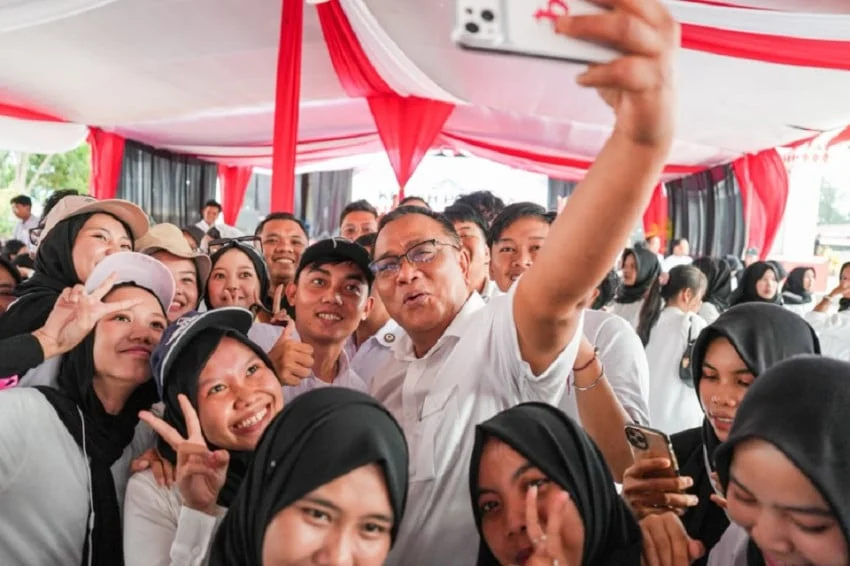
The intersection of environmental activism and generational responsibility took center stage in Bengkulu as hundreds of young leaders gathered for a landmark environmental declaration. Amid mounting global concerns over ecological degradation, Minister of Environment and Head of the Environmental Control Agency (BPLH), Moh Jumhur Hidayat, delivered a resounding endorsement of the passion and forward-thinking initiatives demonstrated by Generation Z. Addressing the participants at the Youth Camp Declaration, the minister emphasized that contemporary youth must not merely witness the unfolding climate crisis from the sidelines, but must actively position themselves at the vanguard of ecological preservation and sustainable economic reform.
The event, which drew widespread attention from national and regional observers, served as a platform for young activists to articulate their vision for Indonesia’s environmental future. Operating under the guiding framework of the National Movement Association (Perkumpulan Gerakan Kebangsaan) and guided by prominent figures such as Bursah Zarnubi, the youth coalition drafted and formally recited a comprehensive declaration outlining their commitment to ecological stewardship. This gathering marks a pivotal moment in Indonesia’s ongoing battle against climate change, highlighting a definitive shift in how the nation’s youngest demographic perceives the relationship between economic development and environmental conservation.
Background Context of the Bengkulu Youth Camp and Ecological Challenges
Bengkulu, situated along the southwestern coast of Sumatra, possesses a unique and fragile ecosystem characterized by extensive tropical rainforests, rich biodiversity, and vulnerable coastal zones. However, like many regions across Indonesia, it faces severe environmental pressures ranging from deforestation and illegal logging to mining concessions and the escalating impacts of global climate change. Rising sea levels, unpredictable weather patterns, and increased frequency of hydro-meteorological disasters have threatened local livelihoods, making environmental awareness an urgent daily reality rather than a distant theoretical concern.
The decision to host the Youth Camp Declaration in Bengkulu was strategic. By mobilizing youth in regions directly affected by environmental degradation, organizers aimed to bridge the gap between national policy discussions and grassroots realities. Generation Z, individuals born roughly between the late 1990s and early 2010s, faces a disproportionate burden regarding the long-term consequences of current environmental policies. Recognizing this reality, the event was designed to empower young leaders with the organizational tools, ideological framework, and institutional backing necessary to demand systemic changes from both governmental and corporate entities.
The Core Declaration: A Manifesto for Sustainable Action
The emotional and ideological peak of the gathering occurred when representatives of the Bengkulu youth stepped forward to read their official manifesto. The text of the declaration struck a chord with attendees and visiting dignitaries alike, owing to its sophisticated articulation of global environmental challenges and localized responsibilities.
"We emphasize that concern for the environment must not stop at mere words, but must be manifested through action, exemplary behavior, and sustainable commitment," the declaration stated. The manifesto explicitly rejected passive observation, asserting that the younger generation refuses to watch ecological destruction unfold as mere spectators. Instead, they demanded to be integrated as active agents of solution-oriented policy and structural change.
Furthermore, the declaration framed environmental preservation not as an isolated issue of contemporary convenience, but as an intergenerational obligation. "Because protecting the environment is not just about today, but about the lives of generations to come. With this, we declare ourselves ready to synergize, move, and contribute tangibly in preserving the living environment. From the youth, for the society. From the regions, for Indonesia. Together protecting the earth, for a sustainable future. Salam Lestari!"
Ministerial Response and High Praise for Youth Sophistication
Minister Moh Jumhur Hidayat expressed profound admiration for the intellectual rigor and emotional resonance embedded within the youth’s declaration. Having spent decades navigating the complexities of Indonesian bureaucracy, civil society movements, and labor activism, Jumhur recognized the unique caliber of the Bengkulu manifesto. He noted that the vocabulary and ideological depth of the pledge transcended typical localized rhetoric, matching the sophistication found in international climate forums.
"The text of the pledge is of international class," Jumhur stated during the plenary session of the Youth Camp Declaration. "The choice of words is truly exact in describing the current situation and the desires or hopes for the future."
Jumhur’s endorsement highlights a broader institutional shift within the Ministry of Environment and BPLH, which increasingly views grassroots youth movements not as disruptive elements, but as essential partners in national environmental governance. By validating the intellectual contributions of Gen Z, the ministry aims to foster a collaborative ecosystem where policy formulation is directly informed by the lived experiences and demands of the populace most affected by ecological policies.
Broader Implications for Indonesia’s Climate Agenda
The timing of the Bengkulu declaration aligns with a critical juncture in Indonesia’s national and international climate commitments. As the nation grapples with the dual imperatives of economic growth and emissions reduction, the role of civil society—particularly the youth demographic—has become indispensable. Indonesia has committed to ambitious targets under its Enhanced Nationally Determined Contributions (ENDC) and continues to navigate complex transitions away from fossil fuels, notably coal, while managing extensive forest and peatland conservation projects.
However, bridging the gap between high-level diplomatic pledges made at global summits, such as the United Nations Climate Change Conferences (COP), and local enforcement remains a formidable challenge. Regional ecosystems often bear the brunt of extractive industries, policy loopholes, and enforcement deficits. By training a spotlight on regional youth movements, events like the Bengkulu Youth Camp help decentralize the climate conversation, ensuring that remote provinces with high biodiversity value receive adequate national and international scrutiny.
Economic Paradigms and the Call for Green Transformation
A central theme of Minister Jumhur’s address to the youth was the necessity of altering prevailing economic paradigms regarding nature. Historically, economic development models across the globe—and particularly in resource-rich developing nations—have treated natural resources as finite commodities to be extracted, monetized, and depleted for short-term gain. Jumhur challenged the younger generation to pioneer a new economic mindset: one that integrates natural capital into financial valuations and prioritizes circular, regenerative economic models.
This philosophical shift is vital for Gen Z, who are entering the workforce during a period of profound economic transformation. Green jobs, sustainable agriculture, eco-tourism, and renewable energy infrastructure are rapidly becoming the primary sectors of future employment. By aligning environmental activism with economic literacy, the youth in Bengkulu demonstrated an understanding that ecological preservation cannot succeed in a vacuum; it must be economically viable and socially inclusive to achieve long-term permanence.
Synergy Between Government and Grassroots Movements
The success of the Bengkulu Youth Camp also underscores the importance of institutional facilitators, such as the Perkumpulan Gerakan Kebangsaan (PGK) under the guidance of figures like Bursah Zarnubi. Organizations acting as conduits between the state and the grassroots play a crucial role in channeling raw youthful energy into structured, constructive advocacy. Without such organizational backing, youth movements risk fracturing or dissipating before achieving tangible policy outcomes.
Minister Jumhur’s direct engagement with these groups signals a willingness within the current administration to maintain open channels of communication with civil society. This participatory approach is essential for restoring public trust in environmental governance, particularly in regions where industrial expansion has historically created friction between local communities, corporate entities, and regulatory bodies.
Future Outlook and Continuing Momentum
As the participants of the Bengkulu Youth Camp return to their respective universities, local communities, and organizational networks, the true test of the declaration will lie in its implementation. Transforming inspiring rhetoric into sustained, measurable impact requires ongoing commitment, financial resources, and institutional protection for young environmental defenders.
The Ministry of Environment and BPLH is expected to monitor and support similar youth-led initiatives nationwide, creating a network of eco-conscious young leaders capable of influencing local governance and environmental monitoring. With leaders like Moh Jumhur Hidayat championing their cause at the ministerial level, Indonesia’s Gen Z is increasingly equipped to transition from passionate participants to decisive architects of the nation’s ecological and economic destiny. The echoes of the Bengkulu declaration thus serve as both a warning to exploiters of nature and a promise to future generations that the earth remains worth defending.
